

Castrol oil is a premium motor lubricant engineered to protect and clean engines.
If you have ever asked what is castrol oil, this guide is for you. I have tested it in real cars, under heat and cold. I will explain how it works, when to use it, and what to avoid. You will get a clear, expert answer to what is castrol oil and how to pick the right type for your engine.
What Is Castrol Oil?
Castrol oil is a brand of engine lubricants for cars, SUVs, trucks, and motorcycles. It reduces friction, cleans deposits, and guards engine parts. Modern blends use base oils and advanced additives to meet strict standards.
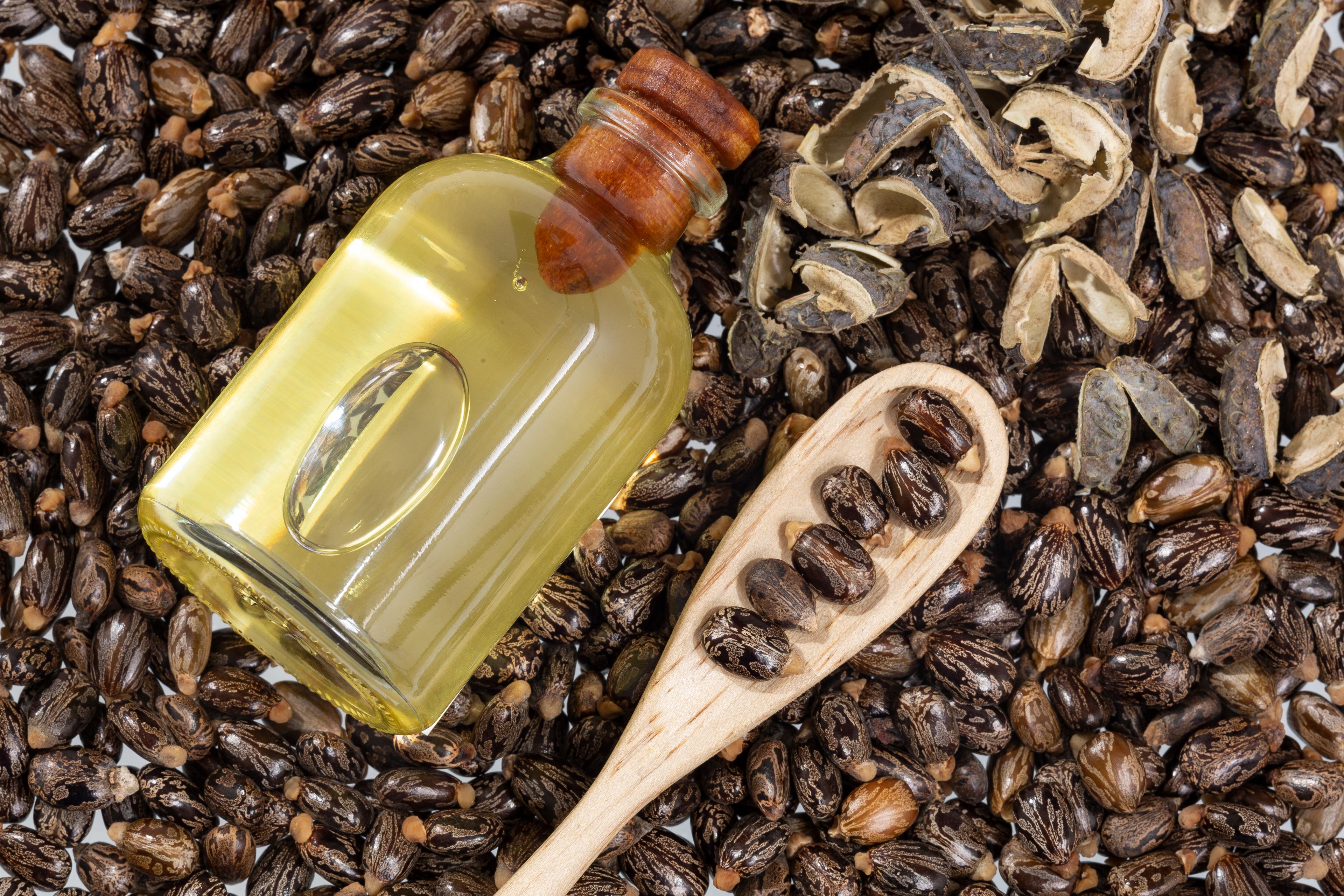
The company began in the early 1900s. It mixed castor oil with base oil to boost film strength. That is where the name came from. Today, Castrol is known for high-end synthetic oil and trusted service shop supply.
If you want a plain answer to what is castrol oil, think of it as a line of motor oils built to resist heat, stop sludge, and extend engine life. It includes full synthetic, synthetic blend, and conventional options for many engines.
Key facts that support what is castrol oil:
- Meets or exceeds API SP and ILSAC GF-6 for modern gas engines.
- Offers many SAE grades, such as 0W-20, 5W-30, and 5W-40.
- Includes OEM approvals for select European makes.
How Castrol Oil Works
Engine oil does four key jobs. It reduces wear, keeps parts clean, cools hot spots, and seals small gaps. Castrol oil does this with a smart mix of base stocks and additives.
Core parts of the formula:
- Base oil group. Full synthetics use Group III or higher. These resist heat and oxidation.
- Detergents and dispersants. They hold soot and sludge in tiny bits so your filter can trap them.
- Anti-wear agents. Zinc and phosphorus films help protect metal on metal contact.
- Friction modifiers. They cut drag to raise fuel economy and power.
- Antioxidants. They fight oil breakdown from heat and air.
- Seal conditioners. High mileage oils help seals stay soft to reduce leaks.
This is why many drivers search what is castrol oil when they want a stable film under stress. The brand’s premium lines hold grade at high heat and keep passages clean over long drains.

Types of Castrol Oil
If you ask what is castrol oil in the market, the answer covers several lines. Each has a job.
Main product families:
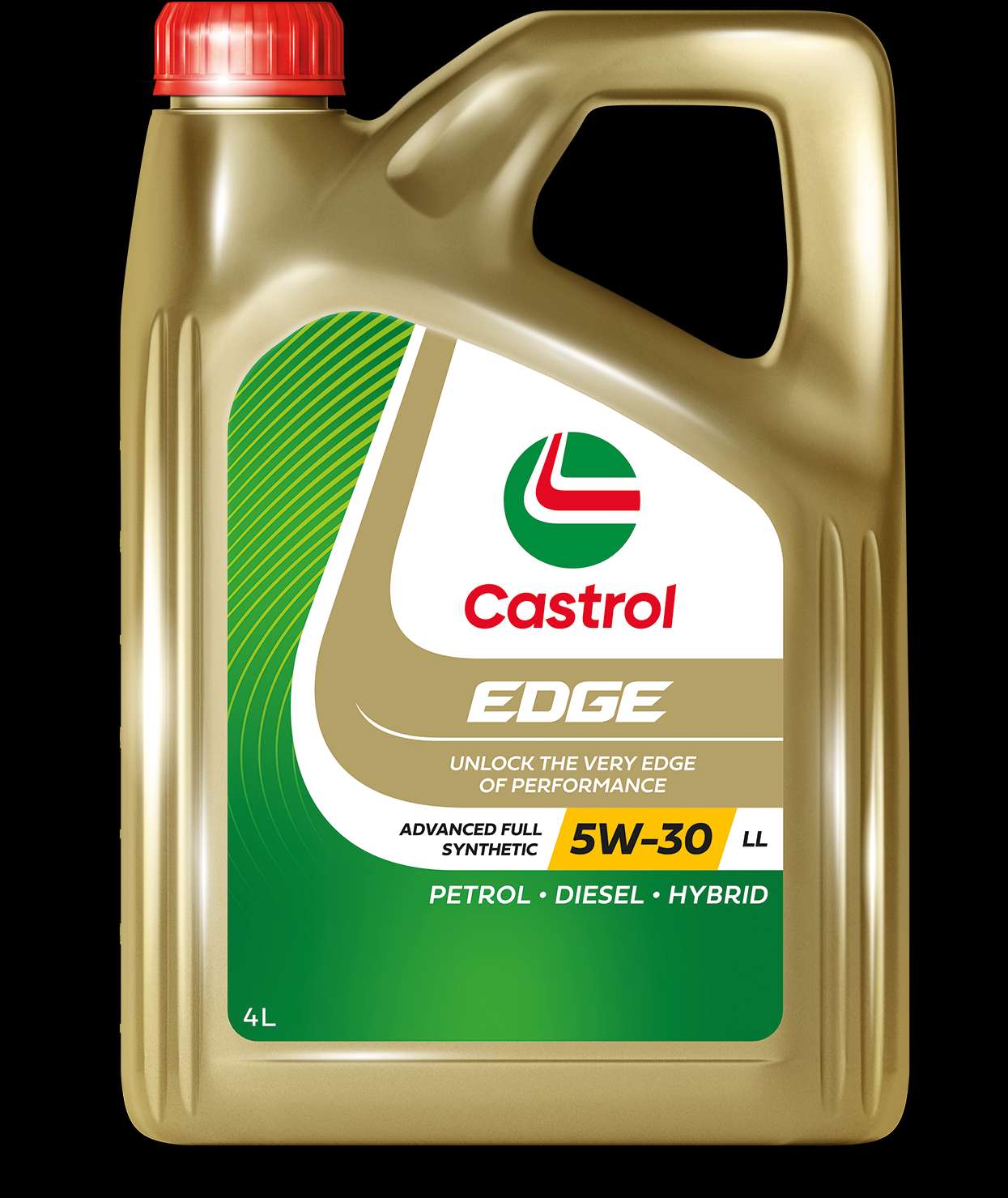
- Castrol EDGE. Full synthetic with advanced friction control. Built for max strength under load.
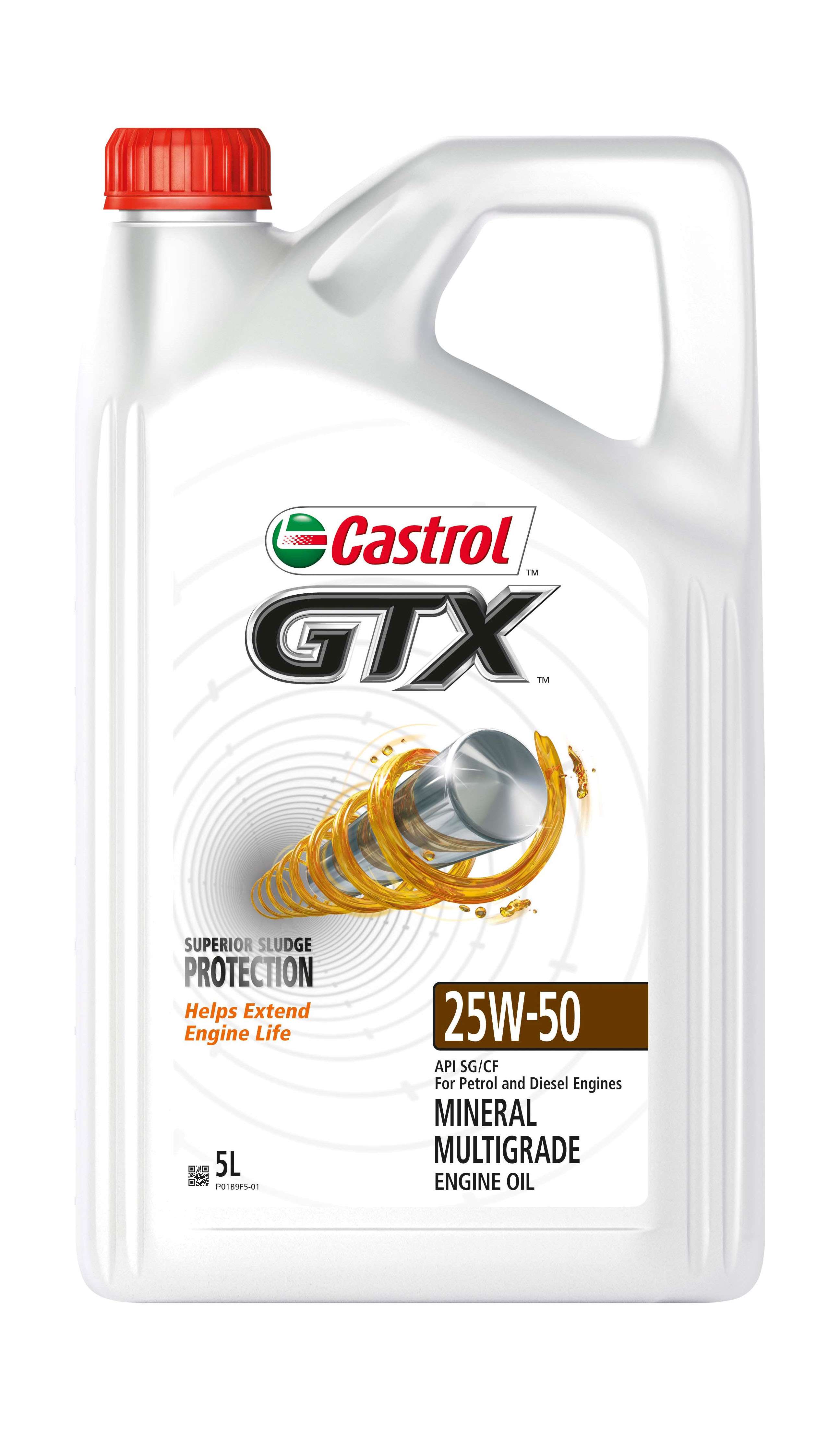
- Castrol GTX Full Synthetic. Full synthetic that focuses on deposit control and clean starts.
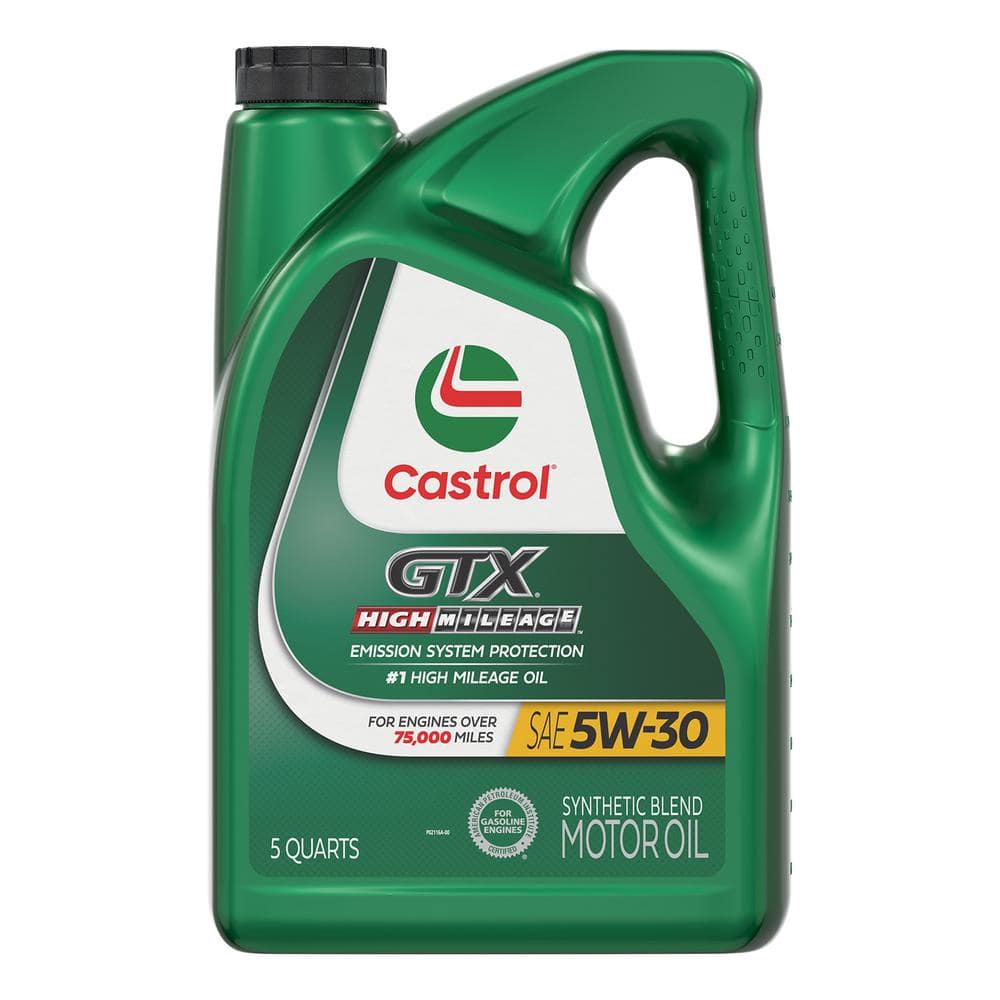
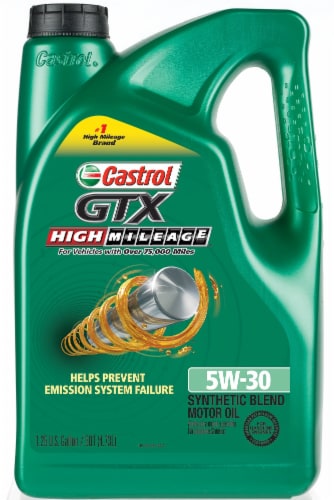
- Castrol GTX High Mileage. For engines with 75,000 miles or more. Helps reduce leaks and burn-off.
- Castrol GTX. Conventional or synthetic blend, depending on grade. Solid daily driver choice.
Popular grades:
- 0W-20 and 5W-20. Common for newer cars that need low-vis oil and better fuel economy.
- 5W-30 and 10W-30. A wide fit across many models, old and new.
- 0W-40 and 5W-40. Often used in high-performance or European engines.
If your main query is what is castrol oil and which bottle to buy, check your owner’s manual first. Then match the exact SAE grade and spec with the right Castrol line.
Choosing the Right Castrol Oil for Your Vehicle
Selecting oil is simple if you follow the facts. Make sure the oil grade and spec match your car.
Steps to choose:
- Read your manual. Find the SAE grade and the API or ILSAC spec.
- Check the label. Look for API SP or ILSAC GF-6 if your car needs it.
- Look for OEM approvals. Some cars need VW 504/507, BMW LL-01, or MB 229.5.
- Consider age and use. High mileage oil helps older engines. EDGE fits heavy use or hot climates.
- Think about climate. 0W helps in cold starts. 40 grades help in heat or performance use.
People often ask what is castrol oil for turbo cars. Many Castrol full synthetics meet turbo needs. They resist heat, keep rings clean, and reduce LSPI risk when the spec is API SP.
Benefits and Limitations
Pros:
- Strong wear control under high load and heat.
- Excellent sludge and deposit control for cleaner internals.
- Good cold flow. Faster protection at start-up.
- Wide range of grades and specs for most cars.
Limitations:
- Full synthetic can cost more than basic oils.
- Over-spec oil is not magic. Follow the OEM grade to avoid issues.
- Old seals and gaskets will not heal from severe damage. High mileage oil can help, but it is not a fix.
These balanced points add context to what is castrol oil in real life use. It is a premium oil, but it must match your engine’s needs.
How Viscosity and Additives Shape Performance
Viscosity tells you how thick the oil is at hot and cold temps. For example, 5W-30 flows well when cold and holds body when hot. The first number covers cold starts. The second number covers operating heat.
Additives tailor the oil for tasks:
- Anti-wear films protect the cam, lifters, and bearings.
- Detergents keep piston rings and oil passages clean.
- Friction modifiers reduce drag to boost MPG.
- Anti-foam agents keep the oil steady at high RPM.
When you ask what is castrol oil and why it matters, this is it. The right viscosity and additive pack can add years to your engine’s health.
Maintenance Tips and Change Intervals
Correct use matters as much as the brand. Good habits help the oil do its work.
Practical tips:
- Follow the oil life monitor or manual. Many synthetics last 5,000 to 10,000 miles, or 6 to 12 months, depending on use.
- Check the level monthly. Top up with the same oil.
- Change the filter with each oil change. Use a quality filter that meets OEM spec.
- Keep fuel and air filters fresh. Clean air and fuel help oil stay clean.
- If you track, tow, or idle a lot, shorten the interval.
These steps answer more than what is castrol oil. They explain how to get full value from it.
Common Myths and Facts
Myth: You can switch brands only if you flush first.
Fact: You can switch to Castrol from any brand if the grade and spec match. No flush needed in most cases.
Myth: Full synthetic causes leaks.
Fact: It does not cause leaks. It may reveal weak seals because it cleans sludge that was masking leaks.
Myth: Thicker oil always protects better.
Fact: Too thick can starve parts on cold start. Use the grade your OEM lists.
Myth: What is castrol oil for old cars?
Fact: High mileage versions help older engines with seal conditioners and added detergents.
Myth: Extended drains work for all cars.
Fact: Follow the manual. Long drains need the right spec, a strong filter, and your driving pattern must allow it.
Real-World Example: My Experience Using Castrol Oil
I manage a small fleet of daily drivers and one turbo hatch. I tested Castrol EDGE 5W-30 in the turbo car for a full year. Hot idle was smoother, and cold starts were quiet. Oil analysis showed stable viscosity and low wear metals at 7,500 miles.
In two older sedans, I used Castrol GTX High Mileage 5W-30. Each had minor seep at the valve cover. After two services, the seep slowed. It did not fix the gasket, but it helped. If you wonder what is castrol oil in day-to-day use, it is a steady, reliable choice that performs as the label claims when used by the book.
Tips learned:
- Warm up gently for the first few minutes. Let the oil reach all parts.
- Do not mix many oil types. Consistency keeps results clear.
- Keep records of date, mileage, and grade.
Environmental Impact and Recycling
Used oil is hazardous waste. Always recycle. Most parts stores and service centers accept used oil and filters at no cost.
Castrol promotes lower carbon blends and life-cycle gains in select lines. This includes steps to reduce waste and improve supply impact. The best thing you can do is simple: change on time, avoid spills, and recycle both oil and filter.
If your search is what is castrol oil in a green context, it is a modern oil brand that supports responsible disposal and cleaner tech, while you do your part with proper recycling.
Frequently Asked Questions of what is castrol oil
Is Castrol oil synthetic or conventional?
Castrol offers full synthetic, synthetic blend, and conventional oils. Choose based on your manual and driving needs.
How often should I change Castrol oil?
Many drivers change full synthetic at 5,000 to 10,000 miles. Your interval depends on the car, oil spec, and driving pattern.
Which Castrol oil is best for high mileage engines?
Castrol GTX High Mileage is built for 75,000 miles or more. It helps condition seals and reduce burn-off.
Can I switch to Castrol from another brand?
Yes, if the viscosity and specs match your manual. No special flush is needed for most vehicles.
What is the best Castrol grade for cold climates?
0W-20 or 0W-30 helps with cold starts. Always confirm the grade your OEM recommends.
Does Castrol oil meet API SP and ILSAC GF-6?
Yes, many Castrol products meet API SP and ILSAC GF-6. Check the label for your exact grade.
Is Castrol EDGE worth the extra cost?
If you drive hard, tow, or see high heat, yes. EDGE offers stronger film and better high-temperature stability.
Conclusion
You came here to understand what is castrol oil and how to use it well. It is a trusted motor oil line with strong wear protection, clean operation, and wide coverage of specs and grades. Match the exact grade and standard in your manual, pick the right Castrol line for your use, and keep clean habits.
Act now. Check your owner’s manual, pick the correct viscosity, and set a service reminder. If this helped answer what is castrol oil for your car, share it, subscribe for more guides, or drop your questions in the comments.