

Check common hiding spots, scan wiring, and use an RF detector or pro help.
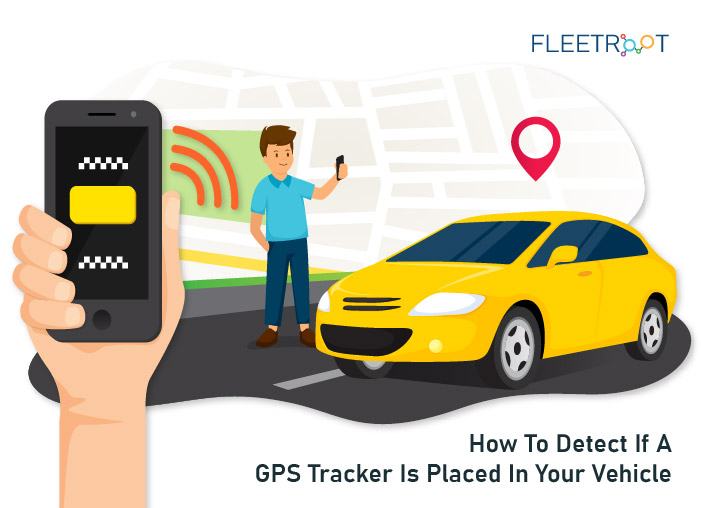
You’re not paranoid. It’s possible. This guide shows how to find a gps tracker on my car with clear steps, pro tips, and safety notes. I’ve helped drivers, families, and small fleets locate hidden devices fast. You’ll learn what trackers look like, where they hide, how to scan, and what to do next. Read on if you want real answers that work in the real world.
Source: fleetroot.com
How GPS trackers work and what they look like
A GPS tracker is a small device that logs or transmits your car’s location. It uses GPS satellites to get a fix. Then it sends data over cellular, Bluetooth, or Wi‑Fi.
Most common types you may find:
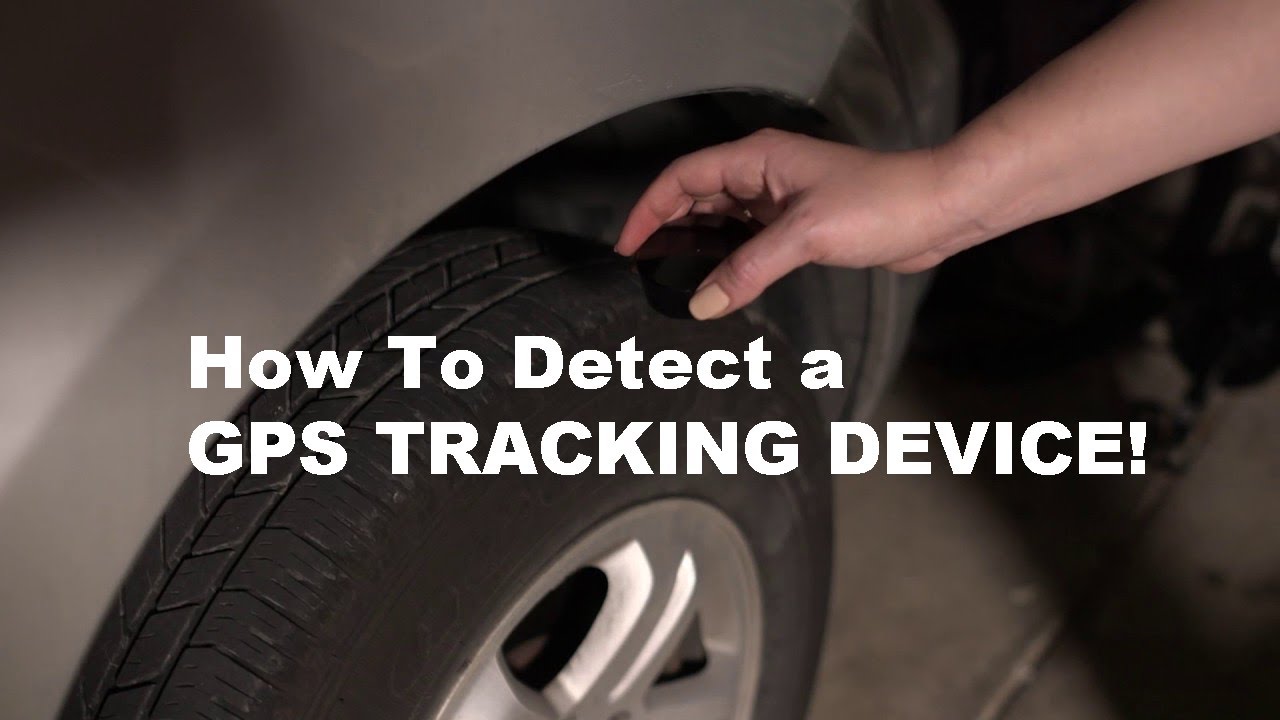
- Magnetic, battery-powered pucks stuck to metal under the car. Often oval or brick-shaped.
- OBD-II plug-ins under the dash. These look like a chunky dongle on the port.
- Hardwired units behind panels, with a small black box and two or three wires.
- Bluetooth beacons or tiny tags. They piggyback on phones to report location.
If you are asking how to find a gps tracker on my car, start by knowing shapes and parts. Look for fresh tape, new zip ties, odd boxes, and thin antennas. The wire colors may not match factory looms.
Source: youtube.com
Safety and legal first
Your safety comes first. If you fear stalking or domestic abuse, go somewhere safe and call local help. Do not confront a suspect. Do not tip anyone off before you have a plan.
In most places, you can search your own car. Do not remove a device that belongs to law enforcement or a lender without advice. If you find one, you can call local police to document it. When in doubt, speak to a lawyer about your rights. If you still want to know how to find a gps tracker on my car, this guide will help you do it safely.

Source: konnectgps.com
Tools and simple prep
You can do a full sweep with basic tools. Here is what helps:
- Bright flashlight or headlamp for tight spots.
- Inspection mirror and a small camera on your phone.
- Gloves, knee pads, and a mechanic’s creeper or cardboard.
- Plastic trim tools and a basic screwdriver set.
- Side cutters for zip ties and a few spare ties.
- A small multimeter for wire checks.
- An RF detector or bug sweeper for radio signals.
- A Bluetooth tracker scanner app on your phone.
- OBD-II scanner and, if you like, an OBD-II port lock.
Set your phone to airplane mode during visual checks to cut noise for RF scans later. If you think, how to find a gps tracker on my car with no tools, start with your eyes and hands. Then add tools if needed.

Source: youtube.com
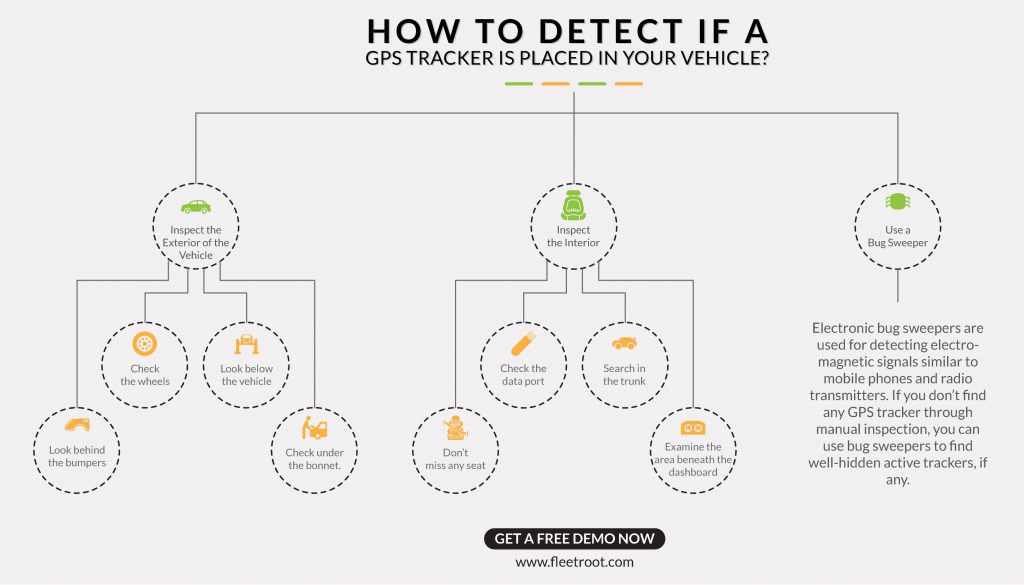
Step-by-step exterior sweep
This is the fastest pass to catch most magnetic units. Work in daylight if you can. Clean off road grime before you start.
Check these spots:
- Underbody rails and metal crossmembers. Feel for magnets and taped boxes.
- Inside wheel wells, behind splash guards, and near shocks or struts.
- Behind front and rear bumpers, near tow hooks, or on the crash bar.
- Under the trunk floor and spare tire well (outside surface).
- Around the gas tank shield and heat shields near the exhaust.
- Behind the license plate or plate frame.
What to look for:
- Fresh adhesive pads, new zip ties, or odd brackets.
- Scuffed metal where a magnet could latch.
- Boxes that do not match the car’s finish or factory parts.
Tip from the field: I once found a live tracker inside a hollow trailer hitch receiver. It was tucked deep, wrapped in black tape. If you wonder how to find a gps tracker on my car fast, check the hitch first.
Source: fleetroot.com
Step-by-step interior and OBD-II check
Sit in the driver’s seat. Look under the dash for the OBD-II port, near your left knee. If something is plugged in there, study it.
Do this inside sweep:
- Unplug any OBD-II dongle you did not install. Photograph it first.
- Check the glove box, center console, and under both front seats.
- Look under rear seats, in the trunk, behind side panels, and near speakers.
- Inspect the 12V outlet and USB ports for odd adapters with hidden bodies.
- Feel for warm, buzzing, or ticking devices after a drive.
If your car came from a fleet, dealer loaner, or a buy-here-pay-here lot, be extra careful. I have removed units zip-tied above knee panels many times. When I explain how to find a gps tracker on my car to clients, the OBD-II check is always step one indoors.

Source: youtube.com
Electrical and under-dash trace
Hardwired trackers need power and ground. They often tap constant 12V and chassis ground. Many also tie to ignition power.
Where to trace:
- Battery and fuse box. Look for add-a-fuse taps and inline fuses that look new.
- Under-dash harnesses. Follow any thin red or black wires that do not match factory looms.
- A and B pillars. Trackers hide behind trim with short wire runs to the dash.
- Rear cargo fuse panels in SUVs.
Quick checks:
- If you see an add-a-fuse with a new wire, follow it to a small box.
- Use a multimeter to identify a suspicious device’s power leads before you move it.
- Look for a ground ring under a fresh screw in bare metal.
If you ask how to find a gps tracker on my car when it is hardwired, follow the wire. New electrical tape, mismatched zip ties, and non-factory conduit are your clues.

Source: wikihow.com
Use detectors and phone apps
Not all trackers talk all the time. Some wake in bursts. Be patient and scan slowly.
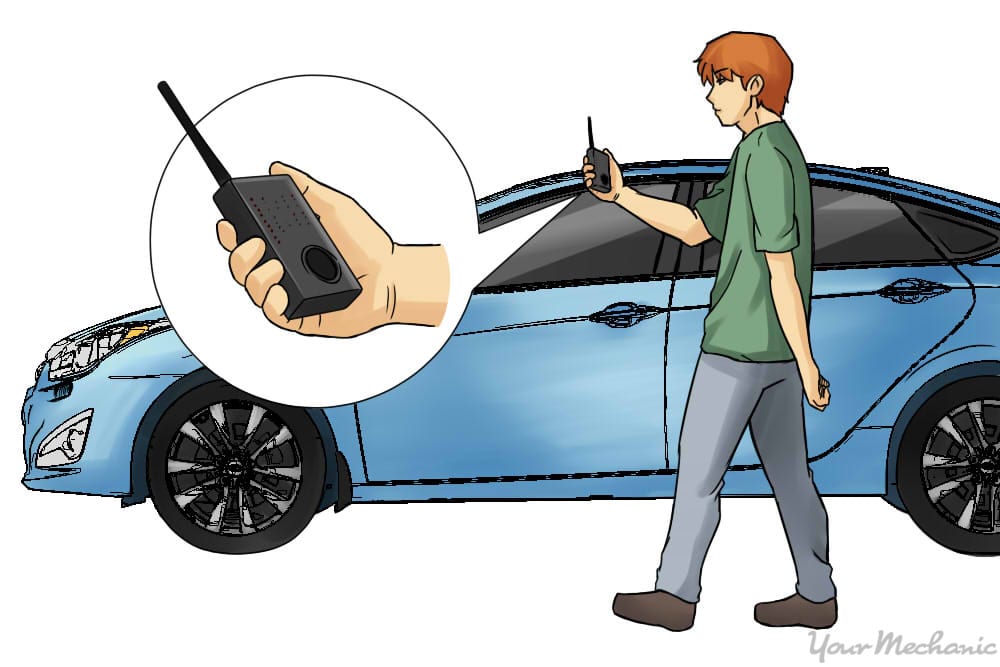
RF detector steps:
- Turn off your phone and car radio to cut interference.
- Walk around the car with the detector on low sensitivity first.
- Increase gain as you narrow a hot area. Check behind that panel.
- Repeat with the engine on and off. Trackers may transmit when the car moves.
Phone-based checks:
- On iPhone, watch for unknown accessory or tracking alerts in the Find My system.
- On Android, use unknown tracker detection features or third-party scanner apps to spot nearby Bluetooth tags.
- Check your Wi‑Fi list for odd device names when sitting in the car.
Advanced tip: Some trackers cache data and transmit later over LTE. You may hear short bursts near 700–2600 MHz. A basic RF bug detector can flag that. When friends ask me how to find a gps tracker on my car without tearing panels off, I pair a slow visual sweep with a patient RF walk-around.
Quick PAA-style answers:
Can a tracker be inside a speaker box?
Yes. I’ve seen units mounted behind rear quarter trim near speakers. Look for new screws, fresh tape, or a wire that does not match the audio loom.
Will a Faraday bag help?
Yes. If you remove a device, store it in a Faraday bag. It blocks signals so the owner cannot track where you take it.
Are Apple AirTags the same as GPS?
No. AirTags use Bluetooth and crowdsourced location. But they still reveal where your car goes. Scan for them during your sweep.

Source: youtube.com
Signs you might be tracked
Common red flags:
- Sudden battery drain or a parasitic draw noted by a shop.
- A new OBD-II error after someone borrowed your car.
- New zip ties or tape under the car.
- Odd beeps or clicks after shutdown.
- Someone knows your routes or stops without asking.
If these ring true and you think, how to find a gps tracker on my car today, start with a fast exterior sweep and an OBD-II check. Then do a slow under-dash pass.
Source: yourmechanic.com
What to do if you find a device
Stay calm. Do not destroy it. You may need evidence.
Do this next:
- Photograph the device in place. Capture wires and mounting points.
- If you fear harm, go to a safe public place and call police.
- If safe, disconnect power. Unplug the OBD-II unit or remove the inline fuse on a hardwired box.
- Place it in a Faraday bag or wrap in several layers of foil.
- Check for a second device. It is common.
If you face a legal issue, keep a chain-of-custody list and times. I tell clients who ask how to find a gps tracker on my car that the removal is only half the job. Document it well.
Prevention and ongoing checks
Make future sweeps fast and routine. Trackers get found when you know your car well.
Smart habits:
- Do a five-minute underbody check every month.
- Use an OBD-II port lock or relocator to hide the port.
- Keep trim screws tight and watch for new marks.
- Park in a garage or a well-lit spot with cameras.
- Run a weekly Bluetooth scan when you get in.
- Do not share live location in apps unless needed.
- Get a pro sweep yearly if you are high-risk.
Do not use jammers. They are illegal in many places. If you still wonder how to find a gps tracker on my car without drama, build a simple routine and stick to it.
Frequently Asked Questions of how to find a gps tracker on my car
How long do battery GPS trackers last?
Most small units last from one week to several months. It depends on how often they report and the size of the battery.
Can a tracker be hidden inside the bumper?
Yes. The space behind plastic bumpers is common. Pop the edge gently and look for taped boxes or zip-tied units.
Will a dealership find a hidden tracker during service?
Maybe. Techs focus on repairs, not sweeps. Ask for a visual check, but do your own or hire a specialist if you’re concerned.
What does a hardwired tracker wire look like?
Often thin red and black wires with an inline fuse. They may lead to a small black box taped behind trim.
Should I tell the person I found their tracker?
No. Protect yourself first. Document it, store it safely, and speak to police or a lawyer before any contact.
Conclusion
You now know the full method: learn the device types, sweep outside, check the OBD-II port, trace wires, and scan for signals. If you ever think, how to find a gps tracker on my car without stress, follow this simple plan.
Take one action today. Do a fast visual sweep and set a monthly reminder. If you found this helpful, share it, subscribe for more guides, or leave a comment with your results.