

Most car vibrations come from tires, wheels, brakes, or worn driveline parts.
If you have ever asked what causes a car to vibrate while driving, you are not alone. I have spent years diagnosing shakes from barely-there buzz to teeth-rattling wobble. In this guide, I explain what causes a car to vibrate while driving, how to find the source, what it costs to fix, and how to prevent it for good.
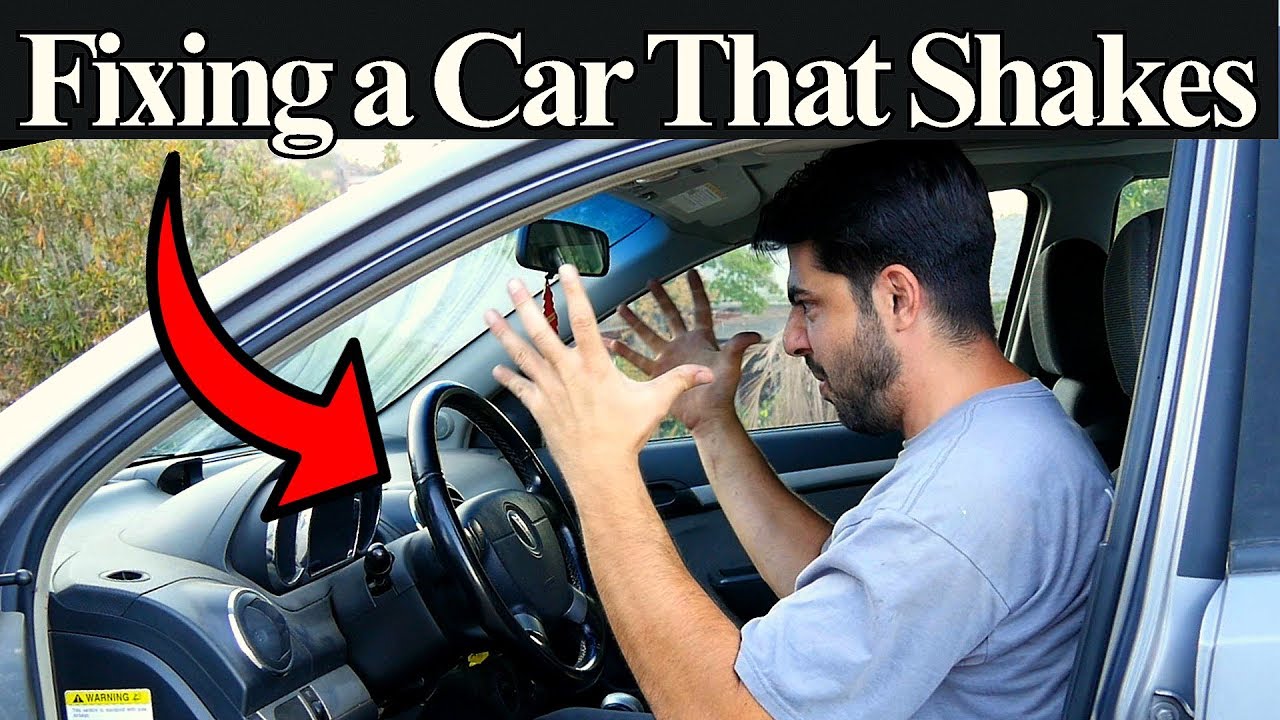
Source: youtube.com
Key symptoms and what they mean
Vibration is a clue. Your car is telling you something is not right. To solve what causes a car to vibrate while driving, match the shake to the condition.
Watch these patterns:
- Vibration that rises with speed suggests tire or wheel balance.
- Vibration under braking points to warped rotors or sticky calipers.
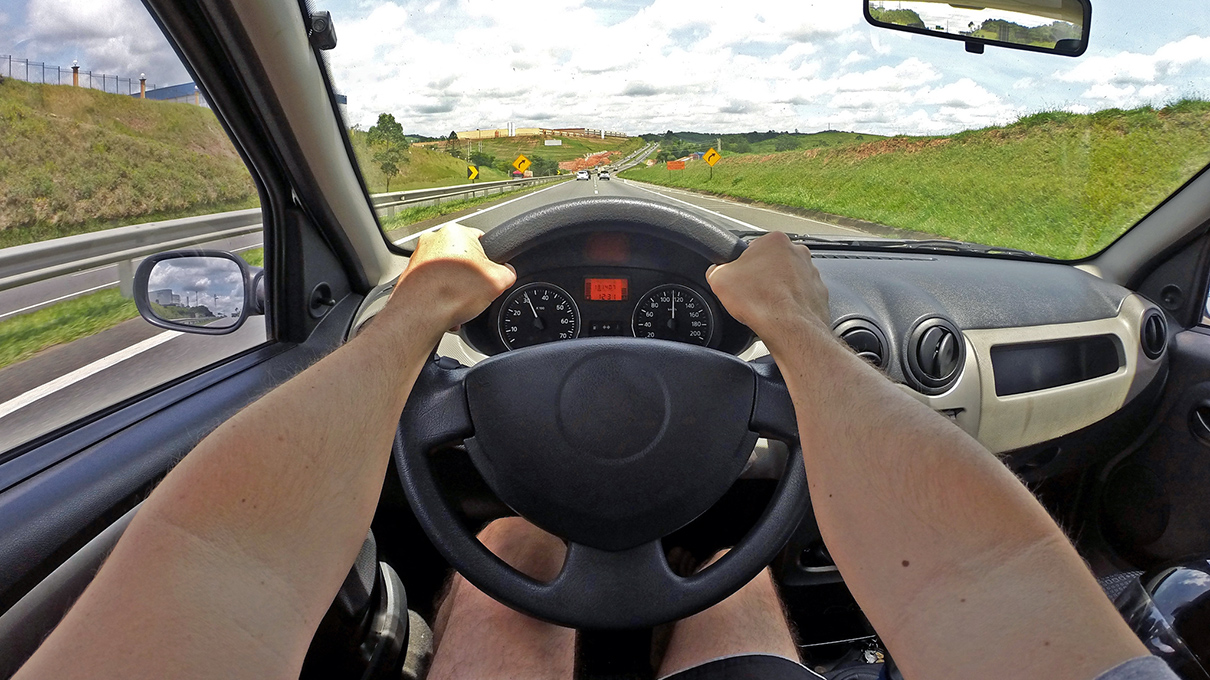
- Vibration in the steering wheel hints at front-end issues. Vibration in the seat hints at rear-end or drivetrain issues.
- Vibration at a set speed then fades often means a bent rim or tire belt shift.
When drivers ask me what causes a car to vibrate while driving, I start with speed, braking, and where they feel it. That simple map often narrows the hunt fast.

Source: ridetime.ca
Common causes of vibration while driving
If you want the full truth on what causes a car to vibrate while driving, start with the big four: tires, wheels, brakes, and suspension. Then check the drivetrain and engine mounts.
Tires and wheels
- Out-of-balance tires cause a steady shake at highway speeds.
- Cupped or scalloped tread makes a humming shake that grows with speed.
- Belt separation can feel like a thump per wheel turn.
- Bent or cracked rims cause shake even after balance.
Expert tip: A proper road-force balance can solve hidden tire and wheel issues that a standard spin balance misses.
Brakes
- Warped brake rotors cause a pulse or shake only when braking.
- Stuck calipers overheat a rotor and cause vibration and smell.
- Cheap pads can leave uneven deposits that mimic warp.
Suspension and steering
- Worn control arm bushings let wheels wobble under load.
- Bad tie rods or ball joints cause shimmy, often felt in the wheel.
- Blown shocks or struts allow tires to bounce, leading to cupping and shake.
Drivetrain and axles
- Failing CV axles cause vibration on accel, sometimes with a clicking turn.
- A bent driveshaft or bad U-joints cause shake that rises with speed.
- Worn carrier bearings in AWD/RWD setups add a deep buzz.
Engine and mounts
- Misfires cause shaking at idle and under load.
- Broken engine or transmission mounts let the powertrain move and buzz.
- Dirty throttle body or vacuum leaks cause roughness that feels like a shake.
From my shop notes: Over half of what causes a car to vibrate while driving ends up being tires or wheels. The rest splits between brakes, suspension, and axles.

Source: youtube.com
Speed, braking, and steering clues
You can read the shake like a story. That is how I explain what causes a car to vibrate while driving without fancy tools.
- Only at 55–70 mph: Think balance, bent wheel, or tire belt shift.
- Only while braking from highway speed: Think warped rotors or pad deposits.
- Only under hard acceleration: Think inner CV joint or driveshaft issues.
- Steering wheel shakes, seat is calm: Front tires, wheels, or front suspension.
- Seat shakes, wheel is calm: Rear tires, wheels, or rear suspension/drivetrain.
These patterns are not perfect, but they get you close. They turn a big question like what causes a car to vibrate while driving into a short list you can test.

Source: autotechiq.com
DIY diagnosis: step-by-step checks
Use these simple checks before you pay for repairs. They help confirm what causes a car to vibrate while driving in your case.
- Inspect tires
- Look for uneven wear, bald spots, bulges, or cupping.
- Run your hand over the tread. It should feel even, not jagged or wavy.
- Check wheel and tire pressure
- Set pressures to the door jamb spec, not the sidewall max.
- Low pressure can mimic a bent wheel at speed.
- Spin test at a shop
- Ask for a balance check and a road-force match if the shake is tricky.
- Request a bent rim check on a balancer.
- Brake check
- Feel for pulsation when braking from 60 to 30 mph on a safe, straight road.
- Look for blue heat spots on rotors and uneven pad wear.
- Suspension and steering
- Jack the car and wiggle each wheel at 12 and 6 o’clock, then 3 and 9.
- Play means a worn joint or bearing.
- Driveline and mounts
- Look for torn CV boots and grease sprays inside the wheel.
- In gear with foot on brake, gently blip the throttle; clunks suggest bad mounts.
- Engine health
- Scan for misfire codes. Listen for a rough idle.
If these steps still do not explain what causes a car to vibrate while driving, it is time for a pro road test.
Source: howstuffworks.com
When to see a mechanic and likely repair costs
Some shakes are minor. Some are safety risks. If you still wonder what causes a car to vibrate while driving after basic checks, get help fast if you feel brake pulsation, hear clunks, or see severe tire wear.
Typical repair ranges I see in the bay:
- Tire balance and rotate: 60–150
- Road-force balance: 120–250
- New tire (each), mid-grade: 120–250
- Wheel repair or replacement: 150–500
- Brake rotors and pads (axle): 250–600
- Control arm with bushing/ball joint (each): 200–600
- CV axle (each): 250–600
- Driveshaft U-joints or balance: 250–700
- Motor or transmission mount (each): 150–450
Prices vary by vehicle and region. Always ask for a clear estimate and a test drive before and after the fix. A good shop will explain what causes a car to vibrate while driving in plain terms and show you worn parts.
Prevention and maintenance tips
You can avoid most vibration with simple habits. This is how I keep customer cars smooth and safe.
- Rotate tires every 5,000–7,500 miles.
- Balance tires with every new set and when vibration starts.
- Keep tires at door jamb pressures and check monthly.
- Get an alignment after new tires, curb hits, or suspension work.
- Replace worn shocks and struts on time to stop cupping.
- Choose quality brake rotors and pads. Bed them in as directed.
- Fix small suspension play before it chews up tires.
- Address small shakes early. They grow with miles.
Do these, and you will ask what causes a car to vibrate while driving far less often.
Source: youtube.com
Frequently Asked Questions of what causes a car to vibrate while driving
Why does my car shake at 60–70 mph but not at 40?
This speed range often exposes tire and wheel balance issues. A bent rim or a shifted tire belt can also show up only at highway speeds.
Why does my steering wheel shake when I brake?
That is a classic sign of warped rotors or uneven pad deposits. A sticking caliper or loose front-end parts can make it worse.
Can bad motor mounts cause vibration while driving?
Yes, broken mounts let the engine move and send buzz into the cabin. It is most clear on accel from a stop or when shifting.
Could a bad wheel bearing be the cause?
Yes, a failing bearing can hum, grind, and add vibration that rises with speed. It often changes when you steer left or right.
Is tire cupping a common reason for vibration?
Very common. Worn shocks or poor alignment let tires bounce and wear unevenly, which then causes a steady shake and road noise.
How do I know if it is a CV axle?
Vibration that grows under hard acceleration and eases when you coast points to a CV axle. Clicking on turns is another clue.
Should I balance or align first?
Balance first if the wheel shakes at speed. Align if you see uneven wear, the car pulls, or the steering wheel is off-center.
Conclusion
A smooth car is not luck. It is the result of good tires, true wheels, healthy brakes, tight suspension, and a sound drivetrain. When you ask what causes a car to vibrate while driving, start with symptoms, match them to the most likely systems, and test with simple checks.
Do one fix at a time and road test after each step. That keeps costs clear and results sharp. If you are stuck, book a pro road test and bring notes on when the shake appears. Want more helpful guides? Subscribe for updates or drop your questions in the comments.