

Pour the right Liqui Moly additive into the correct system, then drive normally.
If you want clear, safe steps on how to use Liqui Moly, you’re in the right place. I’ve used these products in daily drivers and high-mileage cars.
This guide shows how to use Liqui Moly for oil, fuel, gear, and cooling systems with simple steps, real-world tips, and expert detail. By the end, you will know how to use Liqui Moly with confidence, avoid mistakes, and get results you can feel.
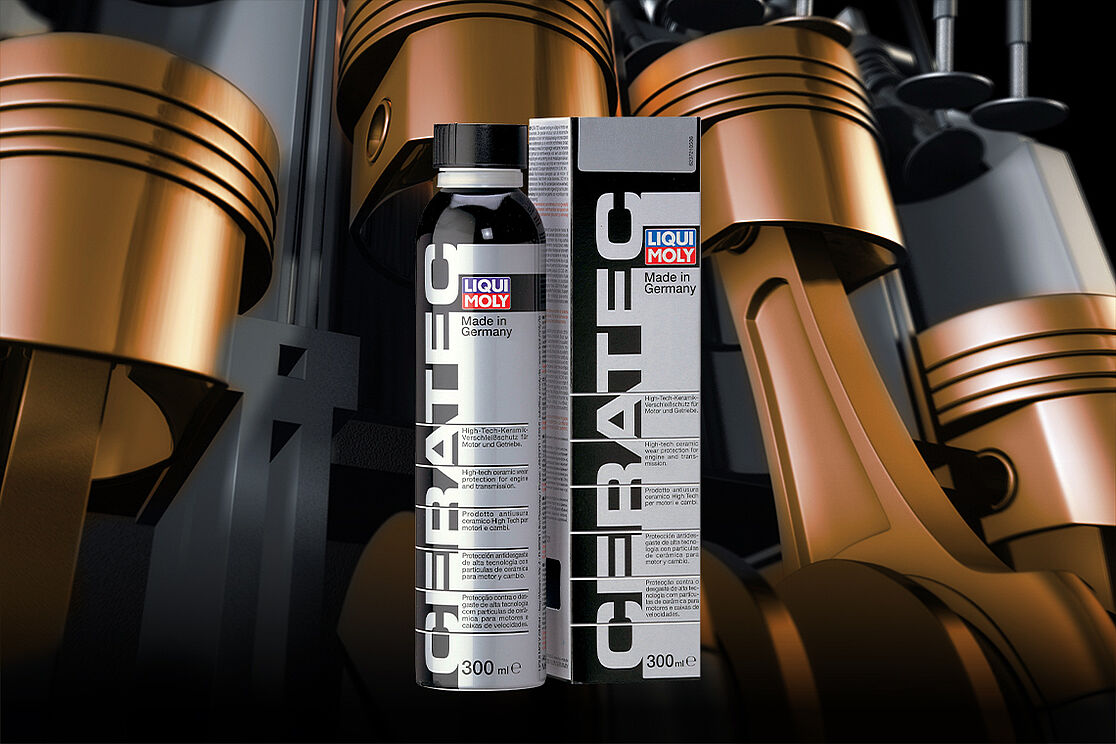
What Liqui Moly Is and Why It Works
Liqui Moly is a German brand known for engine oils, additives, and care products. Many items carry OEM approvals and meet strict specs. When used right, these products can clean deposits, reduce wear, and smooth engine noise.
If you are asking how to use Liqui Moly for the best gains, start by matching the product to the issue. Use injector cleaners for rough idle. Use oil additives for noise or wear. Use fuel system cleaners for hard starts or poor MPG.
My shop rule is simple: identify the symptom, choose the right Liqui Moly product, and follow the label. That keeps results consistent and safe.
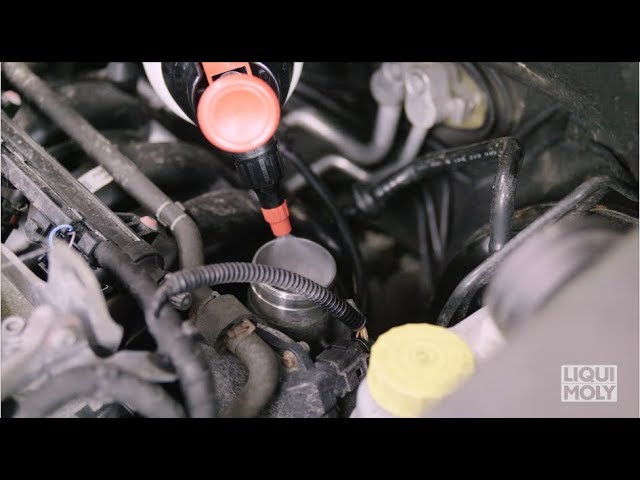
Safety, Tools, and Prep
Good prep makes the job easy and safe.
- Work on a cool engine unless the product says warm.
- Wear gloves and eye protection.
- Park on level ground and set the parking brake.
- Read the label. Check the dose per quart or per gallon.
- Keep a funnel, rags, and a catch pan ready.
If you want a smooth start with how to use Liqui Moly, take one minute to gather tools before you open any bottle. It prevents spills and wrong fills.
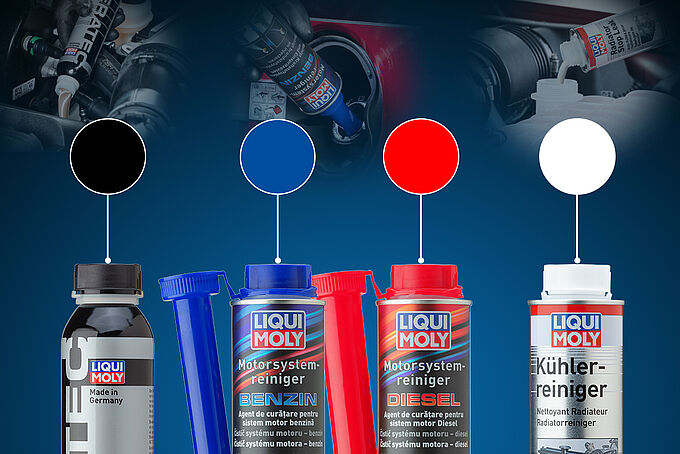
Step-by-Step: How to Use Liqui Moly Engine Oil Additives
Use oil additives to reduce friction, quiet ticking, or protect under load. Here is how to use Liqui Moly in the crankcase.
Products to know:
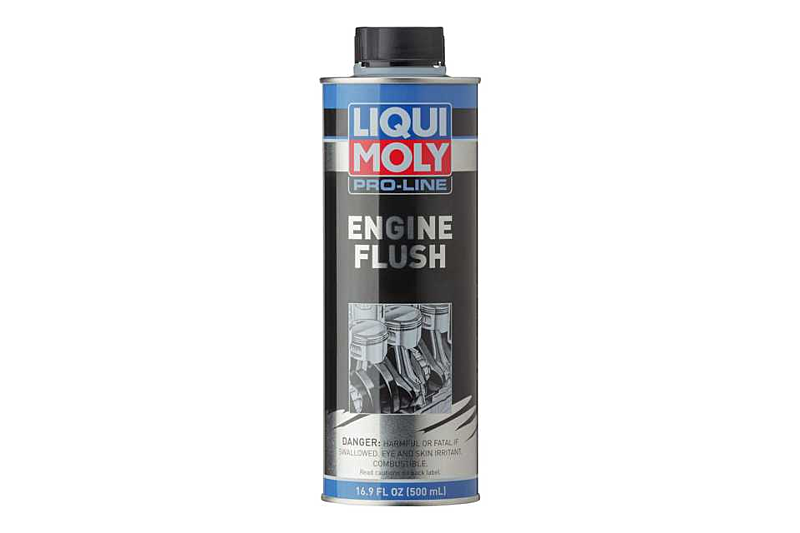
- Engine Flush Plus: Cleans inside the engine before an oil change.
- MoS2 Anti-Friction or Cera Tec: Reduces wear and noise after an oil change.
- Hydraulic Lifter Additive: Helps with lifter tick.
- Oil Saver: Helps condition seals that may seep.
Engine Flush Plus, before oil change:
- Warm the engine to normal temp.
- Pour the correct amount into the old oil through the oil fill cap.
- Idle for 10 to 15 minutes. Do not drive.
- Drain oil, replace filter, and refill with fresh oil.
MoS2 or Cera Tec, after oil change:
- Change oil and filter first.
- Shake the bottle well.
- Pour the dose into the oil fill port.
- Drive normally. It works as you drive.
Hydraulic Lifter Additive:
- Add to warm engine oil at any time.
- Drive 20 to 30 minutes to circulate.
- Lifter noise may fade over a few trips.
Oil Saver:
- Add to the oil when minor leaks are suspected.
- Drive for 600 to 800 miles to see results.
From experience, Cera Tec shines on long highway runs. MoS2 helps older engines feel smooth fast. When asked how to use Liqui Moly for noisy valvetrains, I start with lifter additive first, then Cera Tec at the next oil change.

Step-by-Step: How to Use Liqui Moly Fuel Additives (Gasoline and Diesel)
Fuel system cleaners remove deposits in injectors, valves, and combustion chambers. They can restore idle, throttle response, and MPG.
Gasoline engines:
- Jectron or Injection Cleaner: For dirty injectors.
- Valve Clean: For intake valve deposits in port-injected engines.
- Speed Petrol Additive: For quick cleaning and better response.
How to use Liqui Moly in gasoline tanks:
- Add one can to a near-empty tank.
- Fill with fresh fuel, ideally top-tier gasoline.
- Drive as normal. For heavy deposits, repeat next fill-up.
Diesel engines:
- Diesel Purge: Deep clean for injectors and pump.
- Super Diesel Additive: Regular cleaning and lubrication.
- DPF Protector: Helps support DPF regeneration.
How to use Liqui Moly in diesel tanks:
- For Super Diesel Additive or DPF Protector, pour into the tank before filling.
- For Diesel Purge, you can run it directly through the fuel system with a separate setup. If you are not trained, add to the tank instead and run two tanks back-to-back.
A tip from my bay: for rough idle, two tanks with Jectron often solve it. If the question is how to use Liqui Moly to fix hard starts on a diesel, start with Super Diesel Additive, then plan a proper Diesel Purge service if needed.
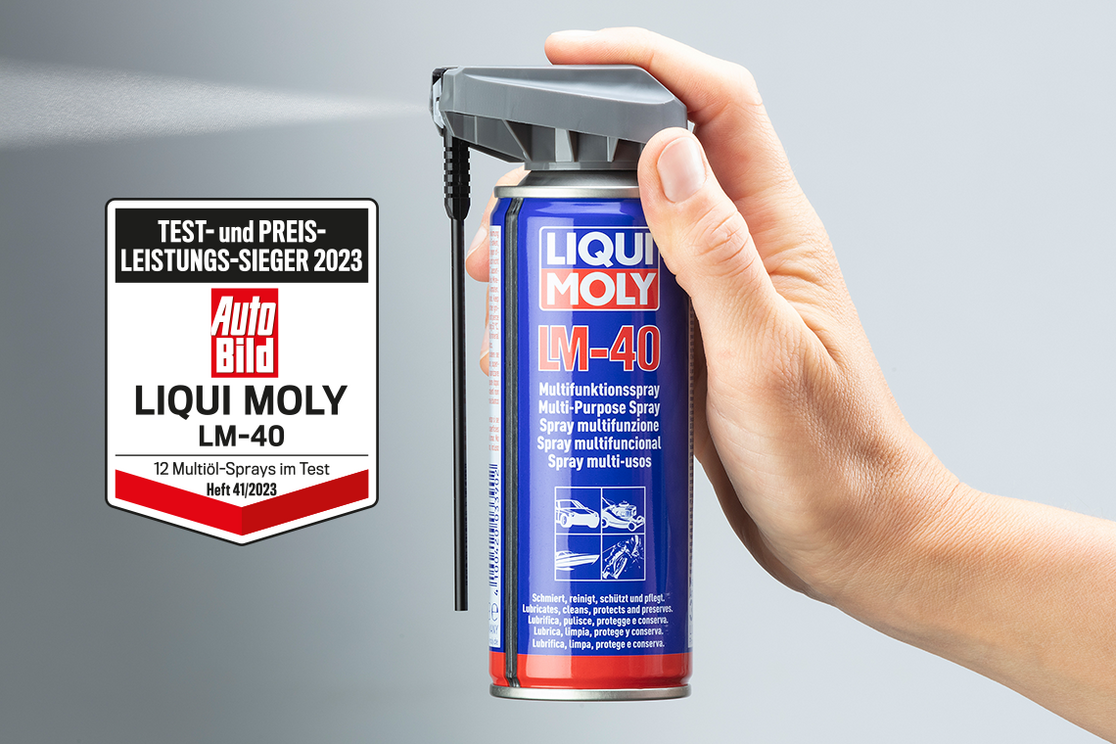
How to Use Liqui Moly in Transmissions, Differentials, and Power Steering
These driveline parts also gain from proper care.
Products:
- Gear Oil Additive or MoS2 for Gears: Reduces wear and noise in manual gearboxes and differentials that allow additives.
- ATF Additive: For some automatic transmissions that allow it.
- Power Steering Additive: Helps reduce noise and seepage.
Steps for gearboxes and diffs:
- Confirm the unit allows additives. Some limited-slip diffs need specific friction modifiers.
- Warm the fluid with a short drive.
- Add the dose through the fill plug.
- Do not overfill. Check level at the fill hole per spec.
Steps for power steering:
- Check if the system uses ATF or specific fluid.
- Draw out a small amount from the reservoir with a syringe.
- Add the measured dose and turn the wheel lock-to-lock to circulate.
When clients ask how to use Liqui Moly in noisy differentials, I first rule out low fluid. Additives help, but correct level and spec come first.
How to Use Liqui Moly Coolant and Radiator Products
Cooling issues affect engine life. Use these products to clean and protect.
Products:
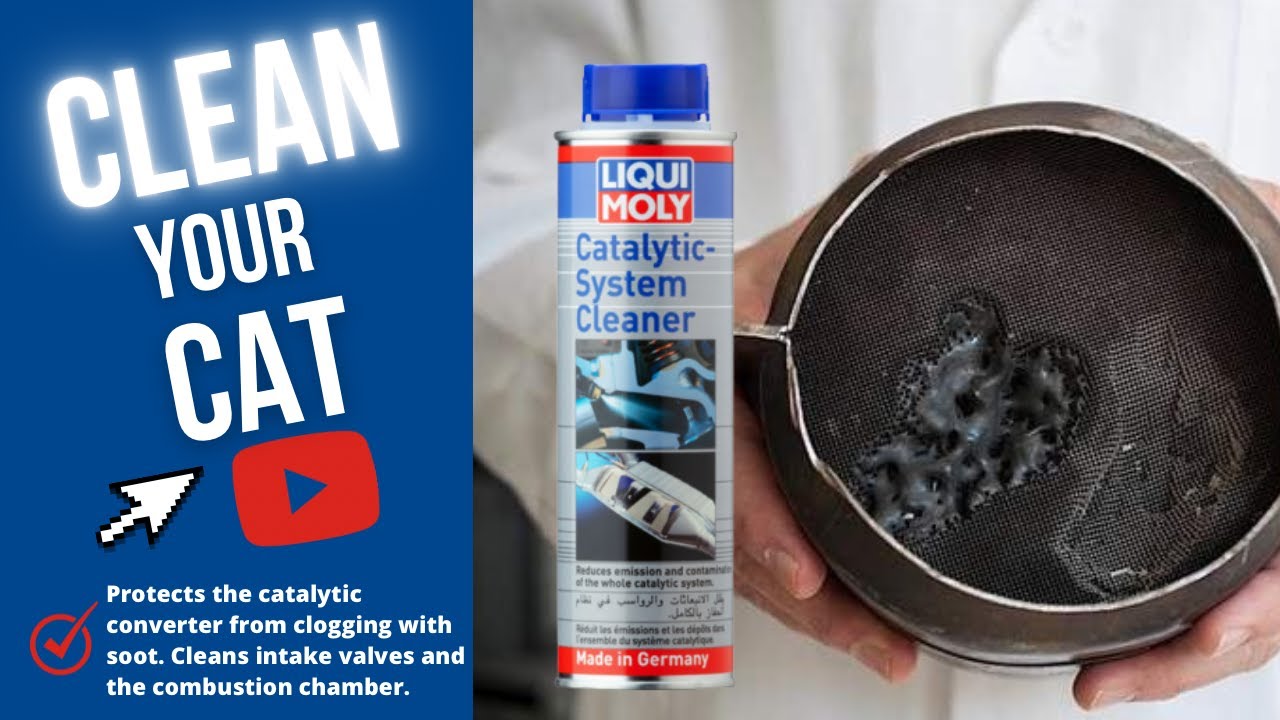
- Radiator Cleaner: Removes scale and sludge.
- Radiator Stop Leak: Helps seal tiny seep leaks.
- Coolant Additives for corrosion protection, where allowed.
Steps:
- For Radiator Cleaner, pour into the cooling system when cold.
- Run the engine to operating temp for the time on the label.
- Drain the system, flush with water until clear, then refill with the correct coolant mix.
- For Stop Leak, add to the cold system, then run and check for leaks.
If you are not sure how to use Liqui Moly with a modern cooling system, check the manual first. Some OEMs restrict additives. Safety and compatibility matter more than speed.
Troubleshooting, Tips, and Mistakes to Avoid
These quick notes save time and money.
- Do not double-dose unless the label allows it.
- Never add oil additives to fuel, or fuel additives to oil.
- Warm engines help oil products spread faster.
- If a check engine light appears, scan codes. Cleaning can shift fuel trims at first.
- If you wonder how to use liqui moly on a brand-new car, follow the manual and protect warranty terms.
Real-world insight: lifter noise may not vanish at idle on day one. Give it a few trips. For fuel cleaners, results often show after one or two tanks.

Maintenance Schedules and Choosing the Right Product
Plan use by mileage and symptoms.
- At every oil change: consider Cera Tec or MoS2 if you want added wear protection.
- Every 3,000 to 5,000 miles or each quarter: one tank with a fuel cleaner.
- Before major trips: treat fuel and check oil additives.
- High-mileage engines: Engine Flush Plus before the next oil change can help.
How to use Liqui Moly the smart way:
- Start mild. Use one product at a time to see clear results.
- Track MPG and idle feel after each treatment.
- Match the additive to the issue, not the brand to the hope.
This steady approach is how to use liqui moly with purpose, proof, and peace of mind.
Frequently Asked Questions of how to use liqui moly
How often should I use fuel additives?
Use a cleaner every 3,000 to 5,000 miles or once a quarter. For heavy deposits, treat two tanks in a row.
Can I use Cera Tec and MoS2 together?
Do not stack friction modifiers unless the label allows it. Pick one per oil fill for clear results.
Will additives void my warranty?
Use products that meet your fluid specs and approvals. Keep receipts and follow service intervals.
How long until I see results?
Many fuel cleaners show results within one tank. Oil additives can take a few drives to fully settle.
Is Engine Flush safe on high-mileage engines?
Yes when used as directed on a warm idle only. Do not rev or drive during the flush period.
What if my engine gets louder after cleaning?
Deposits moving can shift sound for a short time. Keep driving normally and recheck after a full tank or two.
Conclusion
You now know how to use Liqui Moly across oil, fuel, driveline, and cooling systems. Match the product to the problem, follow the dose, and track the change. Small, steady steps lead to smoother engines and longer life.
Start with one product today. Note your baseline, then compare after a week. If this guide helped, share it with a friend, subscribe for more how-to tips, or leave a question so I can help with your setup.
1 thought on “How to Use Liqui Moly | Proper Usage Guide & Tips”