

Park a cool car, open the reservoir, add 50/50 coolant to the MAX line.
If you want a simple, safe way to keep your engine healthy, learn how to add coolant to car like a pro. I’ve serviced dozens of cooling systems and seen costly mistakes that are easy to avoid. This guide walks you through every step with real-world tips, so you can top up the right way, prevent overheating, and feel confident under the hood.
What Coolant Does and Why It Matters
Coolant, also called antifreeze, keeps the engine from overheating or freezing. It fights rust and corrosion inside the radiator, water pump, and heater core. When coolant is low, heat spikes, hoses fail, and head gaskets can blow.
Modern cars are designed around tight temperature control. A steady coolant level keeps sensors, turbos, and emissions systems happy. Learning how to add coolant to car is simple maintenance that protects your engine and your wallet.

Tools and Supplies You’ll Need
Keep your setup simple and clean. A little prep saves time and mess.
- Correct coolant type for your vehicle
- Distilled water if you’re mixing
- A clean funnel with a narrow spout
- Nitrile gloves and safety glasses
- Shop towels and a small catch pan
- A flashlight to see marks on the tank
Optional but helpful:
- Coolant tester for freeze/boil protection
- OBD scanner to watch engine temp
- Bleed screw tool if your car has one

Safety First: Prep Before You Start
Never open a hot system. Hot coolant is under pressure and can spray. Let the car cool fully. The upper radiator hose should feel cool and soft to the touch.
Park on level ground and set the parking brake. Keep pets away. Ethylene glycol tastes sweet but is toxic. Check the owner’s manual for the right coolant and filling point. Some cars fill at the pressurized reservoir, not the radiator.
If you’re searching how to add coolant to car because it keeps running hot, rule out leaks first. Topping up without fixing a leak is a short-term patch.

Step-by-Step: How to Add Coolant to Car
Follow these steps to top off safely and correctly.
- Confirm it’s cool: Make sure the engine is cold. Touch the top hose. If it’s warm or hard, wait longer.
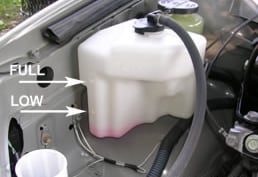
- Find the reservoir: Look for a translucent plastic tank with MIN and MAX lines. It’s often near a fender.
- Check level and color: The level should sit between MIN and MAX. Milky, rusty, or oily fluid means stop and have it inspected.
- Pick the right coolant: Match the coolant type in the manual or on the cap. Do not trust color alone.
- Mix if needed: Use a 50/50 blend of coolant and distilled water unless your coolant is pre-mixed.
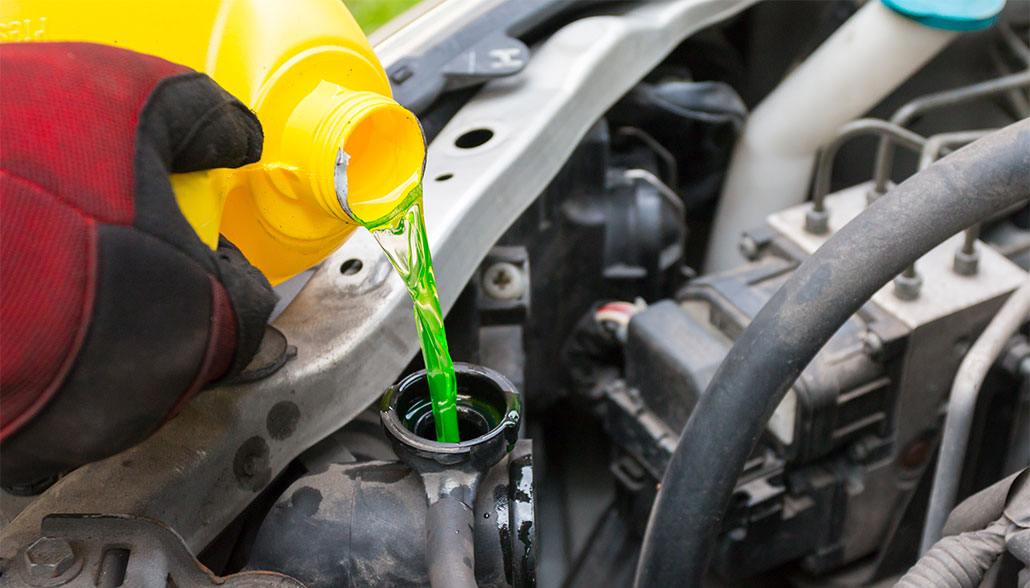
- Add slowly: Insert the funnel. Pour until the level reaches MAX. Do not overfill.
- Cap it: Tighten the cap fully. Pressurized caps must click or seat firmly.
- Warm up: Start the car. Set the heater to hot and fan on low. Let it idle 5–10 minutes.
- Watch the temp: The gauge should rise to normal and stay steady. Look for leaks under the car.
- Recheck: Shut off, let it cool, and recheck the level. Top to MAX if it dropped.
This is the core of how to add coolant to car without drama. Take your time and keep it clean.

Mixing Coolant: 50/50 Ratios and Distilled Water
Most climates use a 50/50 mix. That gives freeze protection near −34°F and boil protection with pressure. In very cold regions, 60/40 coolant to water may be used, but never go 100% coolant.
Always use distilled water for mixing. Tap water can add minerals that scale and clog passages. Pre-mixed coolant is simpler and fine for most DIY jobs.
If you’re learning how to add coolant to car for the first time, pre-mix takes guesswork out. Read the label. It will say pre-diluted or concentrate.

Choosing the Right Coolant for Your Vehicle
Coolant chemistry matters. Color is not a reliable guide. Use the type your car calls for.
- IAT: Older green coolant. Not common on newer cars.
- OAT: Organic acids, long life. Often orange or red in some brands.
- HOAT/Si-OAT/P-OAT: Hybrid formulas for European and Asian cars.
Mixing types can cause gel or sludge. I once saw a sedan with two types mixed. It formed a brown paste that clogged the heater core. We flushed it twice to fix flow. To avoid that pain, match what’s in the car or follow the OEM spec.
If you’re unsure how to add coolant to car with mixed history, consider a full flush and refill with the correct spec.

Bleeding Air After You Add Coolant
Air pockets trap heat. Some cars self-bleed through the reservoir. Others need a manual bleed.
- Look for a bleed screw near the thermostat or on top of the radiator.
- Park nose-up on a mild incline to help air rise.
- Run the engine with the heater on hot. Squeeze the upper hose gently to move bubbles.
- Watch for steady heat from the vents. Blowing cold air can mean trapped air.
If you are tackling how to add coolant to car after hose work or a water pump swap, bleeding is key. Skipping it can trigger an overheat even with the tank full.
Check for Leaks and Fix Common Issues
Low coolant has a cause. Find it early.
- Sweet smell or steam: Often a small leak on a hot hose or clamp.
- Puddles under the car: Bright stains near the front can point to a radiator or water pump.
- White crust around joints: Dried coolant marks a slow seep.
- Oil in coolant or coolant in oil: Stop driving and seek a pro. That can be a head gasket.
If you keep googling how to add coolant to car every week, you likely have a leak. Pressure testing the system finds small leaks fast.
Maintenance Intervals: Top-Off vs Full Flush
Topping off is for small losses or normal evaporation. If the fluid is old, discolored, or contaminated, do a full flush and refill. Coolant service intervals vary by chemistry and brand.
General ranges:
- IAT: About 2–3 years or 30,000 miles.
- OAT/HOAT: About 5–10 years or 100,000–150,000 miles.
If you’re unsure, test freeze protection and pH, or change it. This is smart planning, not waste. It also makes every future how to add coolant to car top-off clean and easy.
Dispose of old coolant at a recycling center. Keep it sealed and away from pets.
Costs, Time, and Pro Tips
Topping off takes 15–30 minutes. A jug of pre-mix often costs less than a tank of gas. A full flush costs more but pays off in engine life.
Pro tips I use:
- Keep a spare jug of the exact coolant in the trunk.
- Label the reservoir cap with the type and date you topped off.
- Use a long-neck funnel to avoid spills on belts and sensors.
- If your car has an electric water pump, avoid revving. Let it self-circulate at idle.
If your goal is to master how to add coolant to car, these habits make it smooth and repeatable.
Frequently Asked Questions of how to add coolant to car
Can I add water instead of coolant in an emergency?
Yes, in a pinch, use distilled water to reach the next stop. Replace with the proper 50/50 mix soon to protect against rust, freezing, and boiling.
How often should I check coolant level?
Check monthly or before long trips. If you tow, drive in heat, or see any temp swings, check more often.
What if I overfill the reservoir?
If you overfill a little, the system may vent the extra. If it’s far above MAX, use a clean turkey baster to remove fluid.
Is color a safe way to match coolant?
No. Color is not standardized. Match the spec in the owner’s manual or the label on the reservoir cap.
Can I mix different coolant brands?
Only if they meet the exact same spec and chemistry. When in doubt, do not mix. Top with the same type or perform a flush.
Why does my heater blow cold after topping up?
You may have air trapped in the system. Bleed the system and run the heater on hot until you get steady warmth.
Do I add coolant to the radiator or the reservoir?
Most modern cars are filled at the pressurized reservoir. Older designs use the radiator cap. Check your manual.
Conclusion
You now know how to add coolant to car the right way. Work on a cool engine, match the correct coolant, fill to MAX, and bleed air. Look for leaks, track levels, and plan flushes on schedule.
Make this part of your weekend routine. A few careful minutes can prevent breakdowns and big repair bills. Want more easy maintenance wins? Subscribe for future guides or drop a question in the comments.
1 thought on “How To Add Coolant To Car: Quick, Safe Guide 2026”