

Mix white vinegar with water, wash, clay, then polish and protect.
Water spots are a pain. They dull paint and spoil glass. If you want to know how to clean water marks on car paint the right way, this guide gives you a clear plan. I detail pro steps, tools, and safe methods based on years of detailing work. You will learn what to use, what to avoid, and how to keep spots from coming back.
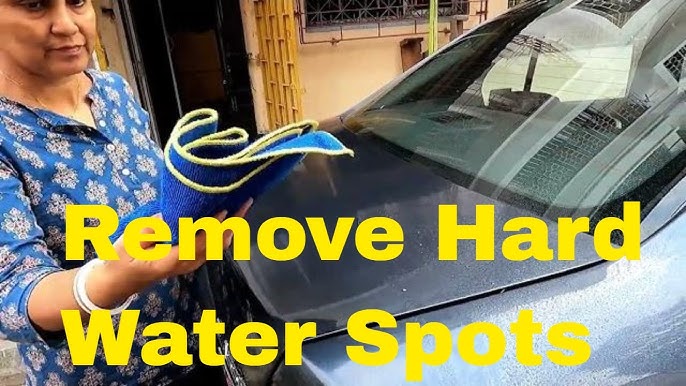
What causes water marks on car paint
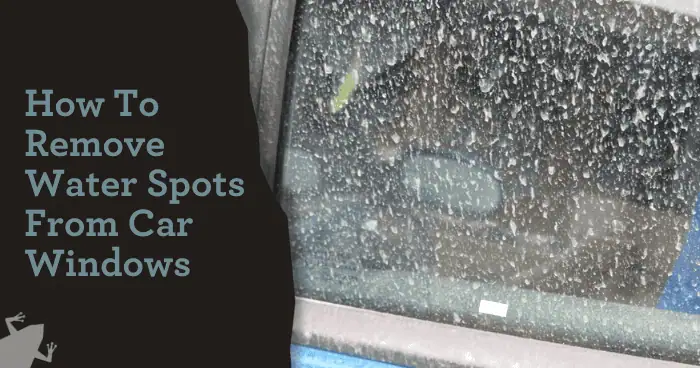
Water marks form when minerals dry on the surface. Hard water has calcium and magnesium. When the water dries, the minerals stay behind and bond to paint and glass. On hot days, they dry fast and leave a sharp edge that looks like a halo.
There are two main types. There are deposits on top of the surface. And there is etching into the clear coat. Deposits feel rough and will come off with the right steps. Etching needs more care and often a light polish.
In my shop, sprinklers and coastal spray were the top causes. Sun plus wind make it worse. Quick shade and fast drying always helped. If you want to master how to clean water marks on car panels, you must first spot the type you face.
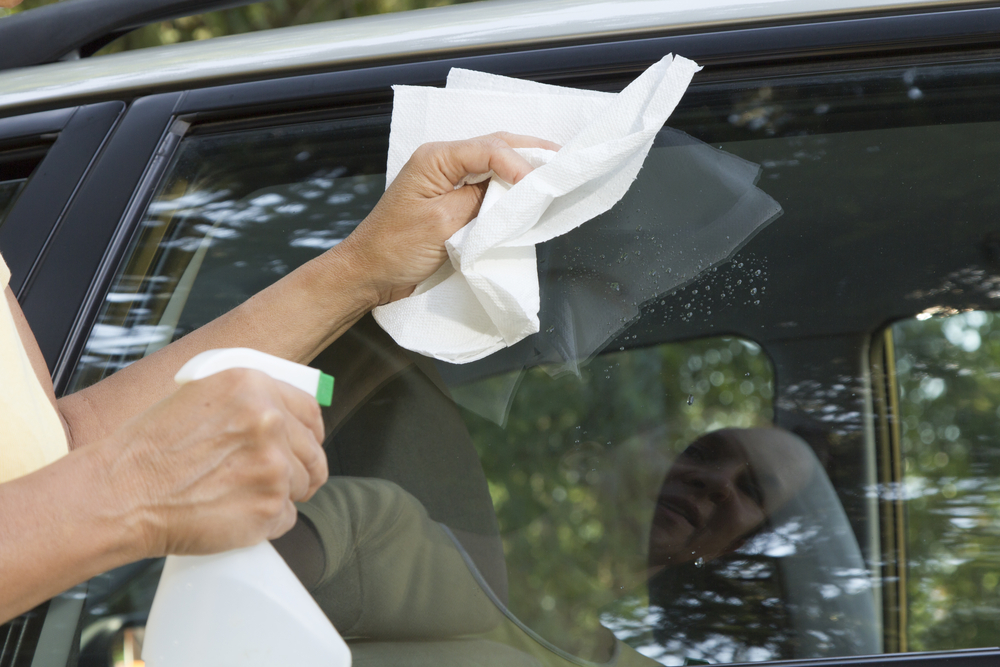
Tools and products you will need to clean water marks on car
- Two buckets with grit guards to keep dirt off the wash mitt.
- pH neutral car shampoo for safe cleaning.
- Microfiber wash mitt and soft drying towels to avoid marring.
- Distilled water for mixing and final rinses.
- White vinegar or a dedicated water spot remover for minerals.
- Detailing spray for light lubrication during wipe downs.
- Clay bar or synthetic clay mitt to pull bonded deposits.
- Dual action polisher with finishing pad for light correction.
- Fine polish designed for clear coat to remove etching.
- Paint sealant or ceramic spray for protection after cleaning.
- Nitrile gloves and good lighting to stay safe and see defects.
These items cover both light and heavy spots. They also reduce the risk of adding swirls while you work. This kit is my baseline for how to clean water marks on car paint in a repeatable way.
Step-by-step: how to clean water marks on car safely
- Work in shade and on cool panels
Heat bakes minerals in place. Shade gives you more time. Set up lights so you can see the spots. - Pre-rinse with water
Flush loose dirt and dust. Do not rub a dry panel. This lowers the risk of scratching. - Contact wash with pH neutral soap
Use the two-bucket method. Wash top to bottom. Rinse the mitt often. Dry with soft towels or a blower. - Test a mild acid mix on a small spot
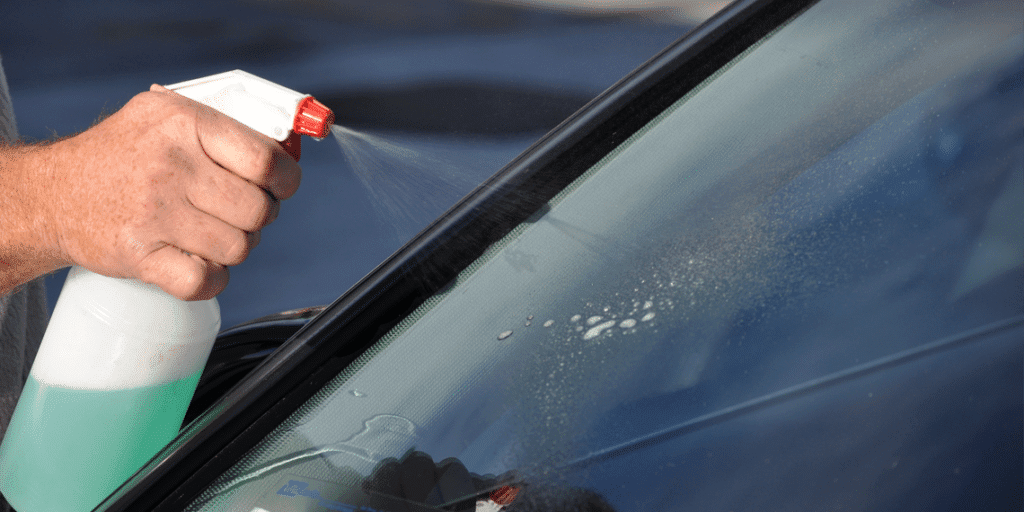
Mix white vinegar with distilled water at 1:1. Mist the spot and let it dwell for 30 seconds. Wipe gently with a clean microfiber. Rinse, then dry. This often clears fresh mineral rings. For glass you can extend dwell to one minute. - Use a dedicated water spot remover if needed
Apply a paint-safe remover per label. These are better balanced than kitchen mixes. They target calcium and magnesium. Work one panel at a time. Rinse well. Dry. This step is key in how to clean water marks on car clear coats without harm. - Decontaminate with clay
Lubricate the panel with detailing spray. Glide the clay with light pressure. You will feel roughness fade. Wipe clean. Clay removes bonded deposits that washing missed. - Assess for etching
If you still see faint rings at angles, you likely have etching. This means the spot touched the clear coat. You need a light polish. - Polish etched spots
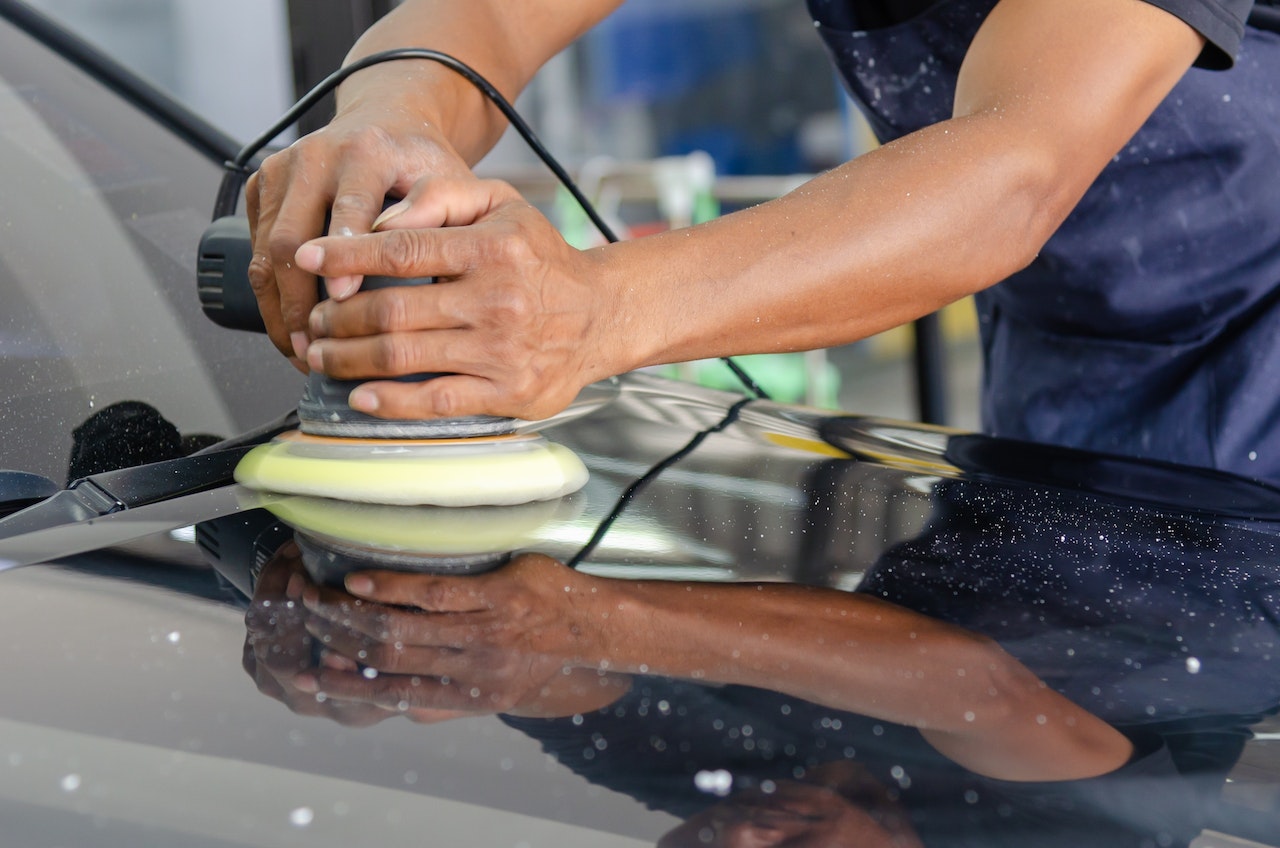
Mount a finishing pad on a dual action polisher. Apply a fine polish. Work a 2 by 2 foot area. Use low to medium speed with slow arm speed. Wipe off and inspect. Repeat if needed. Keep it gentle. The goal is clarity, not heavy cut. - Protect the surface
Apply a sealant or a ceramic spray. This adds slickness and makes water sheet or bead. It also buys time if water sits. Good protection is part of how to clean water marks on car paint and keep it clean. - Final wipe with distilled water
Lightly mist and wipe. This removes any film. It also reduces streaks from tap water.
Time check
Light spots take 30 to 45 minutes. Heavier deposits with polish take 2 to 3 hours. Do not rush. Panel by panel wins.
Special cases and surfaces
Glass and mirrors
Glass is hard, so you can use the vinegar mix longer. For heavy spots, use a glass polish with a rayon pad. Wipe clean and apply a glass sealant to ease future cleaning.
Chrome and trim
Use a paint-safe water spot remover and soft towels. Avoid harsh abrasives that can haze chrome. Protect with a metal-safe sealant.
Matte paint and wraps
Do not polish matte. Use a dedicated matte water spot remover and a gentle wash method. Blot, do not rub. Protect with a matte sealant.
Ceramic coated cars
Use a coating-safe water spot remover. Many brands make one. If etching remains, a pro may need to polish and recoat the area.
Single-stage paint and older finishes
Test very small spots first. Older paint can be thin and soft. Use the least aggressive method.

Prevention: how to keep water marks off your car
- Avoid sprinkler zones and fresh construction spray. Move the car or cover it if needed.
- Wash with pH neutral soap and cool water. Rinse fast on hot days.
- Dry right away. Use plush towels or a blower. Do not let water air dry in the sun.
- Use distilled water for final rinses. This cuts mineral spotting.
- Apply a sealant every three months or a ceramic spray every month. Protection slows bonding.
- Maintain with a rinseless wash when short on time. Use plenty of lubrication.
- If you live with hard water, use a deionized rinse system. It prevents spots at the source.
I have seen one simple change make a big difference. A quick final rinse with distilled water and a leaf blower cut my call-backs by half. Small habits are the backbone of how to clean water marks on car paint and keep results.
Common mistakes to avoid when learning how to clean water marks on car
- Scrubbing dry spots. This grinds minerals into paint and makes micro scratches.
- Using harsh kitchen acids or lime removers on paint. These can stain or dull clear coat.
- Polishing too fast or with heavy pads. You can burn edges or thin the clear.
- Skipping a test spot. Always test the least aggressive method first.
- Letting products dry on the panel. Work small areas and wipe on time.
- Forgetting protection. Unprotected paint will spot again fast.
These errors are easy to avoid. A gentle path gives safer results and a better shine.

Professional help and cost benchmarks
If etching is deep, a professional detailer may be the best bet. A single stage polish to remove water etching starts at a modest price for compact cars. Multi-stage correction for severe cases costs more and takes a full day.
Glass water spot polishing is usually a smaller add-on. Coating-safe water spot removal is common with maintenance plans. Ask for a test spot, written scope, and photos under proper lighting. This ensures the work matches your goals. A pro approach to how to clean water marks on car finishes can save time and risk.

Frequently Asked Questions of how to clean water marks on car
How do I know if water spots are etched into the paint?
If a spot does not wipe off after washing and vinegar, it may be etched. Look at an angle under bright light. A dull ring or halo is a common sign.
Can I use baking soda to remove water spots?
I do not recommend it on paint. Baking soda can scratch and leave haze. Use a paint-safe water spot remover instead.
Will clay bar remove all water spots?
Clay removes bonded deposits but not etching. If a spot remains after clay, switch to a mild polish.
Is vinegar safe on clear coat?
A short dwell of diluted vinegar is fine on most clear coats. Always rinse and dry after. Test first on a small, hidden area.
How often should I protect the car to prevent spots?
Apply a sealant every three months or a ceramic spray monthly. Reapply more often if you park outdoors or have hard water.
What is the fastest way for how to clean water marks on car glass?
Use a 1:1 vinegar mix, longer dwell, and a glass polish if needed. Seal the glass after to make future cleaning easy.
Does a ceramic coating stop water spots?
It reduces bonding but does not prevent all spots. You still need fast drying and proper washes.
Conclusion
Water spots do not have to win. Wash, decontaminate, treat minerals, and polish only when needed. Then lock in your work with protection and simple drying habits. This is the reliable path for how to clean water marks on car paint, glass, and trim.
Set up your kit, pick one panel, and try a careful test spot today. You will see the gloss return and the rings fade. Want more guides like this? Subscribe, share your results, or leave a question so I can help with your next step.