

A good mileage for a used car is about 12,000 miles per year, well-maintained.
If you have asked what is a good mileage for a used car, you are not alone. I have inspected hundreds of trade-ins and auction cars over the years. The odometer matters, but it is only one clue. This guide breaks down what is a good mileage for a used car with clear steps, real examples, and data-backed tips so you can buy with confidence.

How mileage really works and why it matters
Mileage is a wear marker. It tells you how many road miles a car has seen. In the United States, most drivers add 12,000 to 15,000 miles each year. That simple baseline helps you judge if a car is low, average, or high use for its age.
Modern cars often last 200,000 miles or more with care. Some go past 300,000 miles. So the real question is how those miles were added. Smooth highway use with regular service is not the same as stop‑start city use with skipped oil changes.
If you wonder what is a good mileage for a used car, start with the yearly average. Then check the age, service records, and how the car was used. That gives you the real picture of health and value.

Benchmarks: what is a good mileage for a used car by age and type
Here is a simple way to frame what is a good mileage for a used car. Use the 12,000 miles per year rule of thumb, and adjust for vehicle type and care.
Age-based targets:
- 0 to 3 years: Under 36,000 miles is low. 36,000 to 45,000 is average. Above 45,000 is high.
- 4 to 6 years: Under 60,000 is low. 60,000 to 90,000 is average. Above 90,000 is high.
- 7 to 10 years: Under 90,000 is low. 90,000 to 150,000 is average. Above 150,000 is high.
- 10+ years: Under 120,000 is low. 120,000 to 180,000 is average. Above 180,000 is high.
Adjust by type:
- Compact and midsize sedans: Often last 200,000 miles with care.
- SUVs and trucks: Drivetrains are robust. Maintenance costs can be higher after 150,000 miles.
- Luxury cars: Repairs can be costly after 100,000 miles. Service history is key.
- Hybrids: 150,000 to 200,000 miles is normal. Battery health matters more than the odometer.
- EVs: Battery state of health and charging habits matter more than miles.
In my buying notes, the best deals hit two marks. The car is near the average mileage for its age and has strong records. That is what is a good mileage for a used car in real-world terms.

Mileage vs maintenance: service history beats the odometer
I would take a 120,000‑mile car with full records over a 60,000‑mile car with none. Why? Maintenance controls wear. Oil changes, fluid swaps, and filter changes keep parts clean and cool. That reduces damage over time.
Key items by rough mileage:
- 30,000 to 60,000 miles: Brake pads, cabin and engine air filters, CVT or ATF service if due.
- 60,000 to 100,000 miles: Spark plugs, coolant, transmission service, drive belt.
- 90,000 to 120,000 miles: Timing belt and water pump if belt‑driven, suspension bushings, battery.
- 120,000+ miles: Alternator, starter, wheel bearings, struts, and mounts may show age.
When buyers ask what is a good mileage for a used car, I ask for the service file first. If the folder is thick, the miles worry me much less.

Highway miles vs city miles
All miles are not equal. Highway miles mean steady speeds and fewer cold starts. That is easier on engines, brakes, and transmissions. City miles mean short trips, many shifts, and lots of heat cycles.
What to look for:
- Smooth brake rotors and even tire wear hint at gentle highway use.
- Worn brake pads and sooty tailpipes can point to city use.
- Rideshare or delivery history means many idle hours and stop‑start wear.
So, what is a good mileage for a used car? It is often a car with higher highway miles and great service, rather than low city miles with poor care.
Climate, terrain, and driving habits
Where and how the car lived affects wear. Hot climates age rubber and fluids faster. Cold winters and road salt cause rust. Steep hills stress brakes and transmissions.
Practical checks:
- Look for rust on brake lines, subframes, and pinch welds.
- Check rubber seals and hoses for cracks.
- Review tire wear for signs of hard cornering or poor alignment.
These details refine your view of what is a good mileage for a used car. A rust‑free, desert car with good records can beat a low‑mile, rusty northern car.
Gas, hybrid, and EV: how to judge mileage
Mileage means different things by powertrain.
Gasoline cars:
- Focus on oil change intervals, transmission services, and timing belt or chain health.
- A chain is not a pass to skip service. Sludge can still cause wear.
Hybrids:
- Battery packs often last 8 to 15 years. Cooling fans and filters need care.
- Look for hybrid system services and module tests.
EVs:
- Odometer is less important than battery state of health.
- Ask for battery health reports, charge counts, and DC fast charging history.
If you ask what is a good mileage for a used car that is a hybrid or EV, put battery health first. Then judge the rest like a gas car.

Ownership pattern and vehicle history
Ownership history can hint at care. One long‑term owner with dealer records is ideal. Two to three owners is normal. Many short‑term owners can be a red flag.
What to review:
- Vehicle history report for accidents, title issues, and mileage checks.
- Emissions and safety inspection records by year.
- Recall status and proof of recall repairs.
This context helps decide what is a good mileage for a used car in your area and for your needs.

Cost of ownership and pricing: using mileage to negotiate
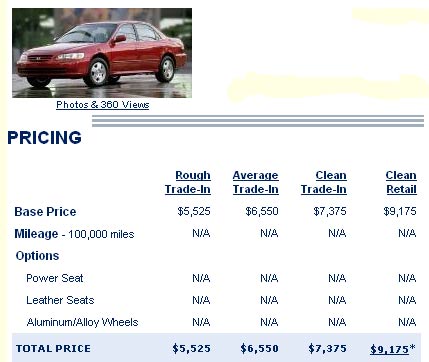
Mileage affects price. Buyers pay more for low‑mile cars. But you should also price risk. A 90,000‑mile car that has had major services may cost less to own than a 50,000‑mile car that needs them soon.
Rules of thumb I use at the lot:
- Adjust price for mileage versus age average. Each 10,000 miles above or below the average can swing value by a few percent, depending on the segment.
- Budget for near‑term services. Timing belt, tires, brakes, and fluids can add up fast.
- Use records to justify your offer.
When sellers ask me what is a good mileage for a used car, I say it is the mileage that still leaves room in your budget for known services and a reserve for the unknown.

How to inspect a used car with mileage in mind
Use this simple checklist before you buy.
Step-by-step:
- Match odometer to age. Confirm average miles per year and note big gaps.
- Scan for leaks, rust, and worn rubber parts. Check underbody and engine bay.
- Review records. Look for oil changes every 5,000 to 7,500 miles or per maker specs.
- Test drive on city streets and highways. Check shifts, steering, brakes, and alignment.
- Scan with an OBD‑II tool. Look for pending codes and monitors not ready.
- Get a pre‑purchase inspection from a trusted shop.
If you still wonder what is a good mileage for a used car after this, your pre‑purchase inspection will give you the final answer.
Real-world examples and case studies
A client once chose a 2015 sedan with 138,000 miles. It had dealer records since new, a new timing belt at 100,000, and fresh tires. It ran smooth for years with only routine care.
Another buyer chased a 2017 luxury SUV with 41,000 miles and no records. It looked great but needed brakes, tires, and a transmission service. The final bill erased the low‑mile price premium. These stories show what is a good mileage for a used car depends on service and use, not just the number.
Common myths and mistakes
Avoid these traps.
- Low miles are always best: Not true if the car sat and seals dried out.
- High miles mean the car is done: Not true for well‑kept models with highway use.
- Highway miles are always good miles: Hard towing or high heat can still wear parts.
- Certified cars never have problems: They help, but still get an independent inspection.
- Skipping a pre‑purchase inspection saves money: It often costs much more later.
Keep these in mind when you ask what is a good mileage for a used car.
Red flags and green flags checklist
Red flags:
- Incomplete or missing service history.
- Many owners in a short time.
- Rust on structural parts.
- Oil sludge, burnt fluid smells, or metal flakes in fluids.
- Mismatched or cheap tires on a high‑value car.
Green flags:
- Consistent, documented service at proper intervals.
- One or two owners with long ownership periods.
- Recent big-ticket maintenance already done.
- Clean cold start, smooth idle, and stable shifts.
- Straight body panels and even panel gaps.
Use this quick scan to judge what is a good mileage for a used car in context.
Frequently Asked Questions of what is a good mileage for a used car
Is 100,000 miles too much for a used car?
Not if the car is well cared for and priced right. Many models run well past 200,000 miles with proper service.
What is more important, age or mileage?
Both matter, but maintenance is king. A well‑maintained older car can beat a newer, low‑mile car with poor care.
Are highway miles better than city miles?
Usually, yes. Highway miles mean steady speeds and less wear, but heavy towing or high heat can still cause stress.
How do I know if the mileage is real?
Check the vehicle history, service records, and inspection reports. Odometer readings should line up across years without gaps or drops.
What is a good mileage for a used car if I drive a lot?
Aim for average miles per year with strong records and recent major services. Pay more attention to condition and budget for maintenance.
How does mileage affect resale value later?
Lower miles help resale, but records and condition also drive price. A clean, well‑serviced car will always sell easier.
Conclusion
Good mileage is not a single number. It is the right miles, added the right way, with the right care and price. Ask what is a good mileage for a used car, then verify with records, inspection, and a smart test drive.
Use the checklists here on your next visit to a seller or lot. Set a budget, plan for maintenance, and choose a car that fits your miles and your life. Ready to go deeper? Explore more guides, subscribe for updates, or drop your questions in the comments.
1 thought on “What Is A Good Mileage For A Used Car: Best Guide 2026”