

Vacuum, deep clean fabrics, replace the cabin filter, and neutralize with ozone.
If you want to learn how to get smoke smell out of car the right way, you are in the right place. I’ve restored auction vehicles, ex-rentals, and daily drivers with heavy cigarette odor. This guide shares proven methods, simple steps, and pro tips you can use today to remove the smell and keep it from coming back.
:max_bytes(150000):strip_icc()/removing-smoke-smell-from-car-4009054-24d8841f89fc4922ad1cd3c53d4d9d86.png)
Why smoke odor sticks to your car
Smoke is not just a smell. It is a film of tar, ash, and oils that cling to soft and hard surfaces. It sinks into seat foam, carpet backing, and the headliner. It also coats windows and lives in the HVAC ducts.
Think of smoke like sticky dust. It grabs fibers and hides in seams. If you only spray a freshener, the odor returns. It takes a full inside-out process to solve.
To master how to get smoke smell out of car, you need to clean, then neutralize, then seal in some cases. Skipping a step invites the odor back.
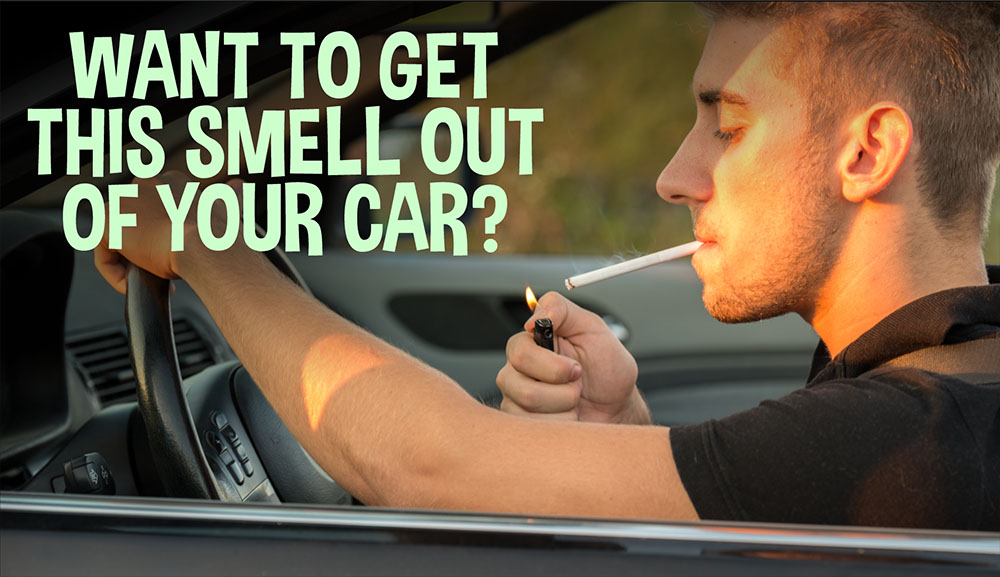
Prepare your tools and set up
Work in a well-ventilated area. Open all doors. If you can, use shade to keep products from flashing.
Gather these items:
- Strong vacuum with crevice tools and a brush head
- Microfiber towels and soft interior brushes
- All-purpose cleaner, fabric cleaner, enzyme cleaner, and glass cleaner
- Baking soda, distilled white vinegar, and activated charcoal bags
- Steam cleaner or carpet extractor if you have one
- Cabin air filter replacement and HVAC-safe deodorizer
- Ozone generator or chlorine dioxide kit, if needed, plus safety gear
- Nitrile gloves and eye protection
Time varies by severity. Light odor may take two hours. Heavy smoke can take a day or two.

Step-by-step deep clean of interior surfaces
This is the heart of how to get smoke smell out of car. Work top to bottom. Dry soil out first, wet clean second.
- Remove clutter and mats. Take out ashtrays and any smoke items.
- Vacuum every surface. Use crevice tools for seams, rails, and under seats.
- Clean the headliner with care. Lightly mist fabric cleaner on a microfiber and dab. Do not soak. The glue can fail if the fabric gets wet.
- Clean seats. For cloth, use an extractor or foam cleaner and blot. For leather, use a pH-balanced leather cleaner, then a leather conditioner.
- Clean carpets and floor mats. Pre-treat stains. Extract with warm water. Do not overwet. Do two light passes instead of one heavy pass.
- Wipe hard surfaces. Use a safe all-purpose cleaner on dash, console, door panels, and seat bases. Follow with a damp towel.
- Clean all glass inside twice. Smoke film loves glass. Use fresh towels for the second pass to avoid haze.
- Clean the trunk and spare-tire well. Odor hides there too.
- Air dry with doors open. Use fans if you can.
- Place two or more activated charcoal bags inside to begin passive odor capture.
Real-world note: On a heavy-smoke SUV, I ran two extraction passes, then let it sit with fans for two hours before the next step. That cut the odor by half.

Neutralize odors: methods that work
Cleaning removes residue. Neutralizing removes leftover odor molecules. Choose the least harsh method first, then escalate.
- Baking soda shake-out: Sprinkle on dry carpets and seats. Let sit for 12 hours. Vacuum well. This is gentle and low cost. It helps light smoke.
- Vinegar steam bowl: Place a shallow bowl of white vinegar in the car overnight. Crack windows for safety. Vinegar absorbs odors, but the effect is mild and temporary on heavy cases.
- Enzyme cleaners: These target organic residues. Mist on fabric, allow dwell time, then blot. Good for ash and food-smoke mixes.
- Activated charcoal: Place 3 to 6 bags across the cabin and trunk for a week. Replace or recharge in the sun. Charcoal is safe and effective as a follow-up.
- Chlorine dioxide kit: Use per instructions with windows up and HVAC on recirculate, then fresh air. It oxidizes odor at a molecular level. Follow safety rules and air out the car well.
- Ozone treatment: After full cleaning, run an ozone generator for 30 to 60 minutes, rest for 30 minutes, then air out for one hour. Repeat once if needed. Remove pets and plants. Do not stay in the car while it runs.
I use ozone only after a full interior detail. Industry tests show ozone works best on fresh residue and in closed spaces. If you want to know how to get smoke smell out of car fast, ozone is often the final push.

Clean the HVAC system and replace the cabin filter
Odor clings to the HVAC path. This is a key step many skip.
- Replace the cabin air filter. It often holds tar and ash. Choose a carbon filter if possible.
- Treat the intake area at the cowl. With the engine running and fan on fresh air, spray an HVAC-safe deodorizer at the base of the windshield. Then switch to recirculate and mist inside the footwells.
- Run heat for five minutes, then max A/C for five minutes. This dries the system and moves product through the ducts.
- If odor remains, repeat after the interior neutralizing step.
In my shop, changing a brown, tar-stained cabin filter made an instant difference. It is a small cost with a big win when you ask how to get smoke smell out of car.

Special surfaces and tricky cases
Different materials need care. A heavy hand can cause damage.
- Leather: Use a gentle leather cleaner and a soft brush. Wipe dry, then condition. Do not use harsh degreasers or alcohol.
- Alcantara and suede: Use a dedicated fabric cleaner and a soft brush. Light passes only. Avoid soaking.
- Headliner: Spot clean with minimal liquid. For severe odor, consider professional replacement.
- Old, heavy-smoke cars: Foam padding and insulation can be saturated. You may need to replace seat foam or carpets.
- Winter or humid climates: Use a dehumidifier pack in the car during drying. Moist air traps odor.
When friends ask me how to get smoke smell out of car with a sagging headliner, I suggest avoiding wet methods. A new headliner is often cheaper than a failed repair.

Common mistakes to avoid
These missteps slow your progress or make odor worse.
- Masking with perfume only: It hides the odor for a day and may mix into fabrics.
- Skipping glass and hard surfaces: Smoke film on glass keeps off-gassing in heat.
- Overwetting fabrics: Too much water drives tar deeper and can cause mildew.
- Ignoring the HVAC: The smell will return on the first warm day.
- Misusing ozone: Long, repeated sessions can harm rubber and plastic. Use short, controlled cycles.
If you want the best path for how to get smoke smell out of car, think remove first, neutralize second, maintain third.

Cost, time, and when to hire a pro
You can do most steps at home. Expect a modest budget for tools and products.
Typical DIY costs:
- Cleaners and towels: 30 to 60 dollars
- Cabin air filter: 15 to 40 dollars
- Charcoal bags and baking soda: 15 to 30 dollars
- Enzyme cleaner or HVAC deodorizer: 10 to 30 dollars
- Ozone rental or kit: 30 to 80 dollars
Hire a pro if the car has heavy, long-term smoke, yellow headliner, or if you smell smoke even after a full DIY cycle. A pro detail with ozone may cost 150 to 400 dollars, more if parts need replacement. This is often worth it if you plan to sell the car or return a lease.

Ongoing prevention and maintenance
Keep the odor from returning with simple habits.
- Do not smoke in the car. If you must, crack windows wide and use a sealed ash can.
- Vacuum monthly. Wipe glass and hard surfaces every two weeks.
- Swap the cabin filter every 12 months or 12,000 miles.
- Keep two charcoal bags in the car year-round. Recharge in the sun each month.
- Address new odor the same week. Fast action is key in how to get smoke smell out of car for good.
On a repeat-offender work truck, monthly vacuuming and constant charcoal kept it fresh. Small steps beat big fixes later.
Frequently Asked Questions of how to get smoke smell out of car
How long does it take to remove smoke smell from a car?
Light smoke may clear in a few hours with cleaning and ventilation. Heavy smoke can take one to two days and may need ozone.
Will vinegar alone remove cigarette smell from my car?
Vinegar can reduce light odor but will not remove heavy smoke by itself. Use it as a helper after a full clean.
Is ozone treatment safe for my car’s interior?
Yes, when used in short, controlled cycles with no one inside. Air out the car well afterward to protect people and materials.
Do I need to replace the cabin air filter?
Almost always. A dirty filter holds tar and odor and will reintroduce smell when you run the fan.
Can I remove smoke smell from leather seats?
Yes, with a pH-balanced leather cleaner and conditioner. Avoid harsh solvents, and clean stitching and seat seams well.
What if the smell returns after a week?
Repeat a light clean, replace charcoal bags, and treat the HVAC again. If it persists, run a short ozone session and inspect the cabin filter.
Does baking soda work on car smoke smells?
It helps absorb mild odors in fabrics and carpets. Vacuum it well after an overnight dwell for best results.
Conclusion
You can learn how to get smoke smell out of car with a simple plan: deep clean, neutralize, and maintain. Start with a full vacuum and gentle fabric care, clean the glass and hard surfaces, change the cabin filter, then use charcoal, enzymes, or ozone as needed. Test, adjust, and be patient.
Your car can smell clean again. Pick one section above and start today, even if it is just swapping the cabin filter or cleaning the glass. Want more step-by-step guides like this? Subscribe for updates or leave a comment with your toughest odor problem.