

From 15 minutes at a fast charger to 2 days on a wall outlet.
If you came here wondering how long does it take to charge an electric car, the short answer is that it depends on your charger, battery size, and how full the battery already is.
In this guide, I break down real numbers, share tested examples, and explain what affects charge time in the real world. You will leave with clear steps to estimate how long does it take to charge an electric car for your own setup, at home or on the road.
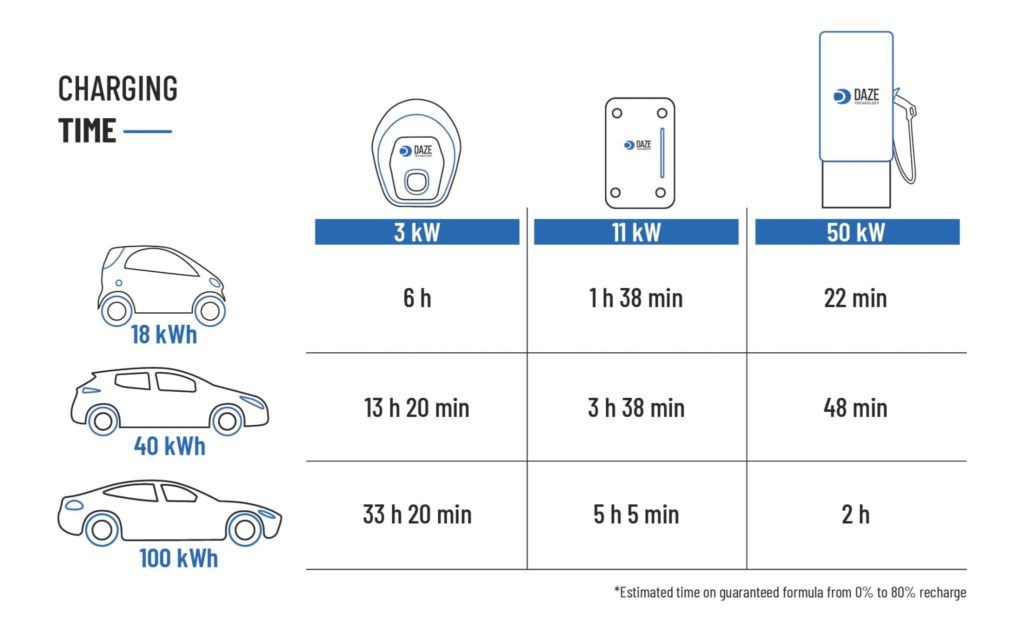
What actually determines charging time
Charging time is a function of energy you need to add and the power your car can accept at that moment. Several parts of the system set the pace.
- Charger type and power. Level 1 is slow AC. Level 2 is faster AC. DC fast charging delivers high power directly to the battery.
- Vehicle limits. Your car’s onboard AC charger caps Level 2 speed. The battery and software cap DC fast speed.
- Battery size and state of charge. Bigger packs take longer. Charging slows as the battery fills, especially after 80%.
- Temperature. Cold batteries charge slower. Preconditioning helps.
- Cable, grid, and station health. Weak circuits or busy stations reduce power.
When people ask how long does it take to charge an electric car, these are the knobs that matter most.

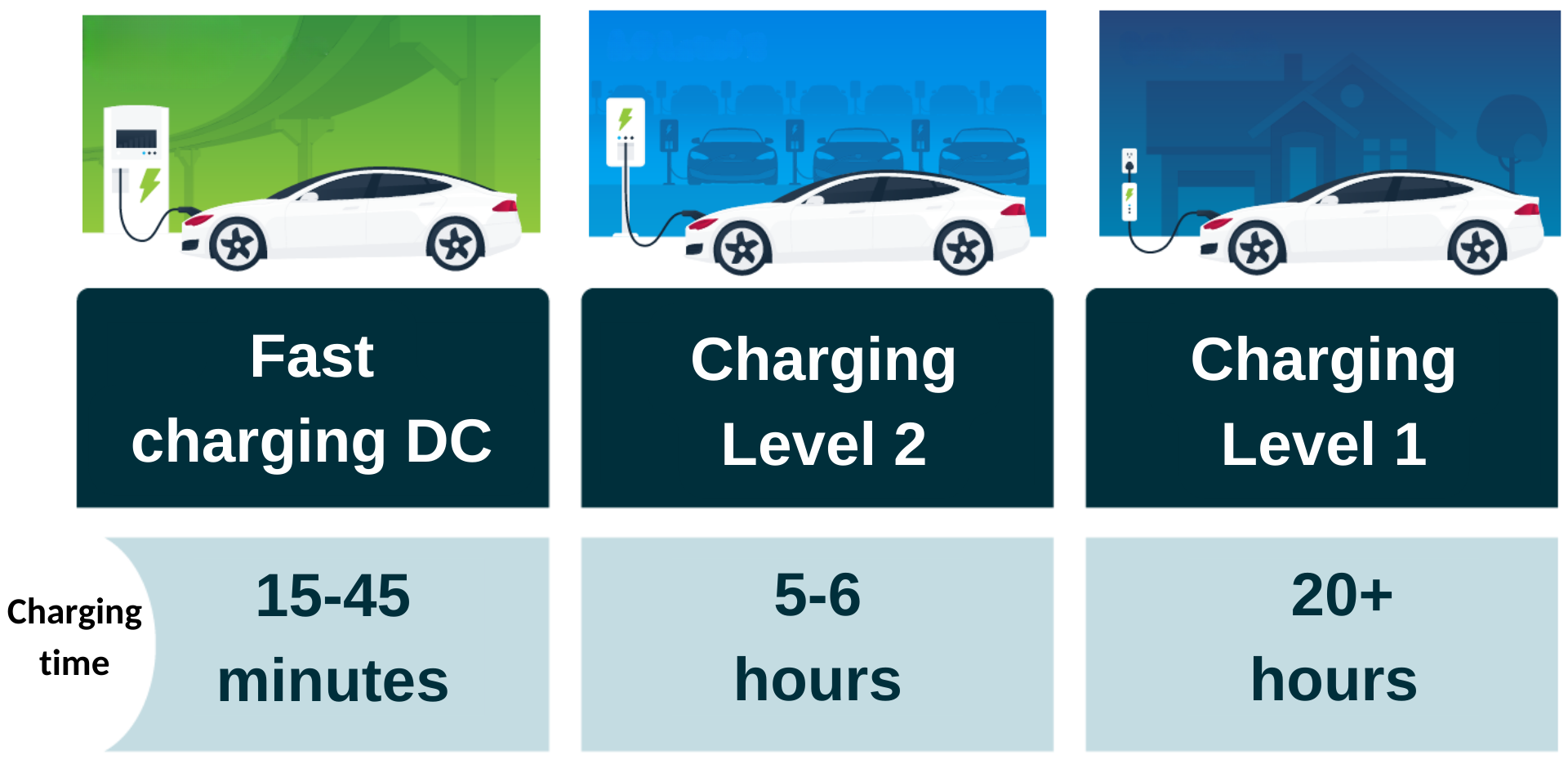
Charging levels explained with real times
Level 1 (120V AC)
- Power: about 1.2 to 1.9 kW
- Speed: about 3 to 5 miles of range per hour
- Typical time: a 60 kWh battery from 10% to 80% can take 24 to 36 hours
Level 2 (240V AC)
- Power: 3.8 to 11.5 kW for most homes; up to 19.2 kW on some cars and circuits
- Speed: about 20 to 45 miles of range per hour
- Typical time: a 60 kWh battery from 10% to 80% takes about 4 to 8 hours
DC fast charging (public)
- Power: 50 to 350 kW, but your car may peak lower
- Speed: many cars go from 10% to 80% in 18 to 40 minutes
- Typical time: a newer EV on a 150 kW unit adds 150 to 200 miles in 20 to 30 minutes
Ultra-fast charging
- 250 to 350 kW can be very quick on cars with 800V systems, but peak time is short and the curve tapers.
- Expect 10% to 80% in about 15 to 25 minutes if the car and battery are warm and the station can deliver.
These ranges are based on industry data and field tests. If you ask how long does it take to charge an electric car, start by matching your car and charger to the right line above.

Real-world scenarios and what to expect
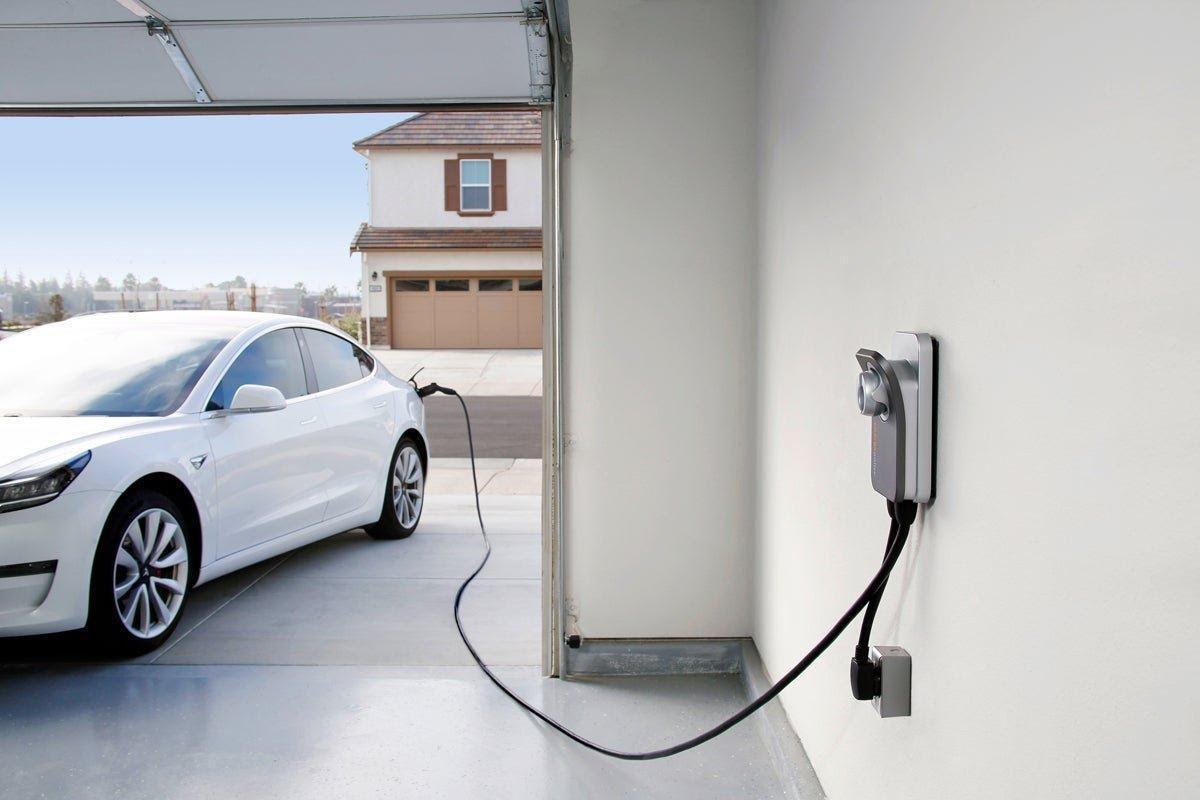
Home overnight on Level 2
- Most drivers plug in at night. Topping up 20% to 80% takes 3 to 6 hours on a 7 to 11 kW unit.
- This fits into normal sleep. Your car is ready each morning.
Apartment or Level 1 only
- Level 1 adds about 30 to 50 miles in 8 to 10 hours. That can cover daily needs.
- If you drive more, seek workplace Level 2 or public DC fast sessions once a week.
Road trips with DC fast charging
- Plan to arrive near 10% to 20% and leave near 60% to 80% for faster stops.
- Expect 15 to 35 minutes per stop. Cold weather or busy sites can add time.
Cold weather days
- Precondition the battery before fast charging. This can cut stop time by 5 to 15 minutes.
- Without preconditioning, how long does it take to charge an electric car can double in winter.
Mixed driving week
- Many owners use Level 2 at home and add a single fast charge when needed.
- That blend keeps total time low while costs stay in check.
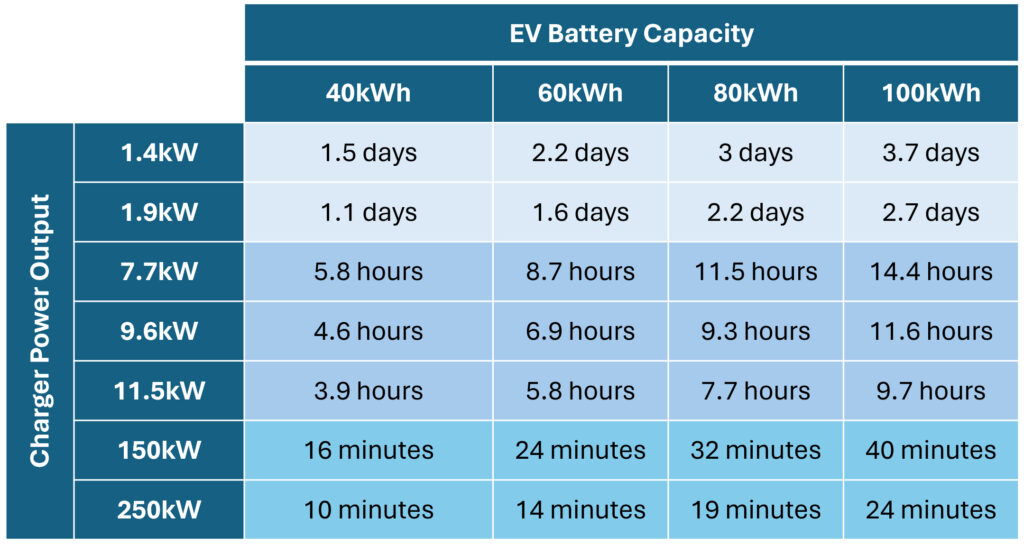
How to estimate your charge time
Use this simple method to predict how long does it take to charge an electric car for your case.
- Step 1: Find energy needed. Battery size (kWh) × percent to add.
- Example: 60 kWh battery from 20% to 80% = 60 × 0.60 = 36 kWh.
- Step 2: Divide by power (kW). Add 10% for losses.
- Level 2 at 11 kW: 36 ÷ 11 = 3.27 hours. With losses, about 3.6 hours.
- Step 3: Adjust for taper on DC fast above 60% to 80%.
- If a car peaks at 150 kW, expect an average of 70 to 110 kW over the session.
Two quick examples
- 77 kWh pack, 10% to 70% on a 150 kW charger. Energy = 46.2 kWh. Average 90 kW. Time ≈ 31 minutes plus a small buffer.
- 64 kWh pack, 20% to 80% on a 7 kW home charger. Energy = 38.4 kWh. Time ≈ 5.5 to 6 hours with losses.
This method gives a better answer to how long does it take to charge an electric car than a single average number.
Variables that speed up or slow down charging
Battery and car limits
- Onboard AC charger size sets your Level 2 maximum, often 7.2 to 11.5 kW.
- Some cars accept only 100 to 150 kW DC. Others can use 250 to 350 kW.
State of charge and taper
- Charging is fastest at low states of charge. Above 60% to 80%, power drops to protect the battery.
- For trips, plan shorter, more frequent stops in the low-to-mid range.
Temperature and preconditioning
- Cold packs resist charge. Warm packs accept more power.
- Use navigation to a fast charger to trigger battery preheat when available.
Station quality and grid limits
- Shared cabinets can split power. Old sites may cap to 50 kW.
- A weak home circuit can limit Level 2 speed.
Cables and adapters
- Thick, short, well-cooled cables sustain higher power.
- Match adapters carefully to avoid extra heat and drop-offs.
Knowing these factors makes your estimate of how long does it take to charge an electric car far more accurate.
Cost and time trade-offs
Home charging
- Cheapest per kWh, especially off-peak. Great for slow, regular top-ups.
- Time cost is low because it happens while you sleep.
Public DC fast charging
- More expensive per kWh, but saves time on trips.
- Shorter, lower state-of-charge sessions give the best time value.
Workplace charging
- Often low-cost or free. Can replace home charging for apartment dwellers.
- How long does it take to charge an electric car at work depends on Level 2 power and how long you park.
Time vs money
- If you value time on trips, target high-power stations. If you value cost, charge at home to 80% and use fast chargers sparingly.
Tips from experience to reduce your charge time
From years of testing stations and coaching new EV drivers, these steps work.
- Arrive warm and low. Drive 10 to 20 minutes before fast charging so the battery is warm. Aim for 10% to 20% on arrival.
- Precondition via nav. Set the charger as your destination. This often saves 5 to 15 minutes per stop.
- Stop early. Leave around 60% to 80% instead of waiting to 100%. The top fills slowly.
- Pick the right plug. Use the highest-rated, non-shared unit at the site. Avoid cabinets that show reduced power.
- Keep software updated. Many cars raise charge speed with updates.
- Plan with realistic data. Use apps that show live station power and queues.
Follow these and you will see how long does it take to charge an electric car drop without extra stress.

Future trends that will cut charging time
Higher-voltage systems
- 800V and beyond reduce current for the same power, which cuts heat and supports 250 to 350 kW peaks.
Better charging curves
- New batteries maintain higher power deeper into the charge, shrinking 10% to 80% times.
Smarter stations
- Cooling, dynamic power sharing, and plug-and-charge reduce stalls and start-up delays.
Solid-state and new chemistries
- These promise higher C-rates and more stable fast charging, though mass adoption will take time.
Battery swapping
- Not mainstream everywhere, but it answers how long does it take to charge an electric car with an answer of about five minutes, by swapping the pack.
Frequently Asked Questions of how long does it take to charge an electric car
How long does it take to charge an electric car at home?
On Level 1, expect one to two days for a near-empty big battery. On Level 2, most cars go from 20% to 80% in 4 to 8 hours.
How long does it take to charge an electric car on a road trip?
At a modern fast charger, many cars go from 10% to 80% in 18 to 40 minutes. Cold weather or shared power can add time.
Does charging to 100% take much longer?
Yes. Charging slows a lot above 80% to protect the battery. Only charge to 100% when you need maximum range.
How long does it take to charge an electric car in winter?
It can take 25% to 100% longer if the battery is cold. Preconditioning and a short warm-up drive help a lot.
What affects how long does it take to charge an electric car the most?
Charger power, your car’s max acceptance, and battery temperature matter most. State of charge and taper also play a big role.
Can I speed up Level 2 charging at home?
Use a higher-amp circuit if your car supports it, and avoid long, thin runs of wire. Keep the charger and cable in good shape.
How accurate are the time-to-full estimates on the screen?
They are good starting points but can shift as temperature or site power changes. Treat them as live estimates, not promises.
Conclusion
How long does it take to charge an electric car depends on charger power, your car’s limits, and battery conditions. At home on Level 2, plan for a few hours overnight. On trips with DC fast charging, aim for quick sessions from low state of charge to about 80% to save time and protect the pack.
Use the simple kWh ÷ kW method, precondition before fast stops, and plan your route with real-time station data. Try these steps this week and you will charge faster, cheaper, and with less stress. If you found this useful, share it, subscribe for more practical EV tips, or leave a question so I can help with your exact setup.
1 thought on “How Long Does It Take To Charge An Electric Car: Explained”