

Insurer deems a total loss, pays actual cash value, and brands your title.
If your car still starts and rolls after a crash, the next steps can feel confusing. I’ve guided many drivers through what happens when your car is totaled but still drivable, and the rules can be tricky. This guide breaks down your choices, your payout, title rules, insurance limits, and safety risks in plain English so you can act fast and protect your money.

What “totaled but still drivable” really means
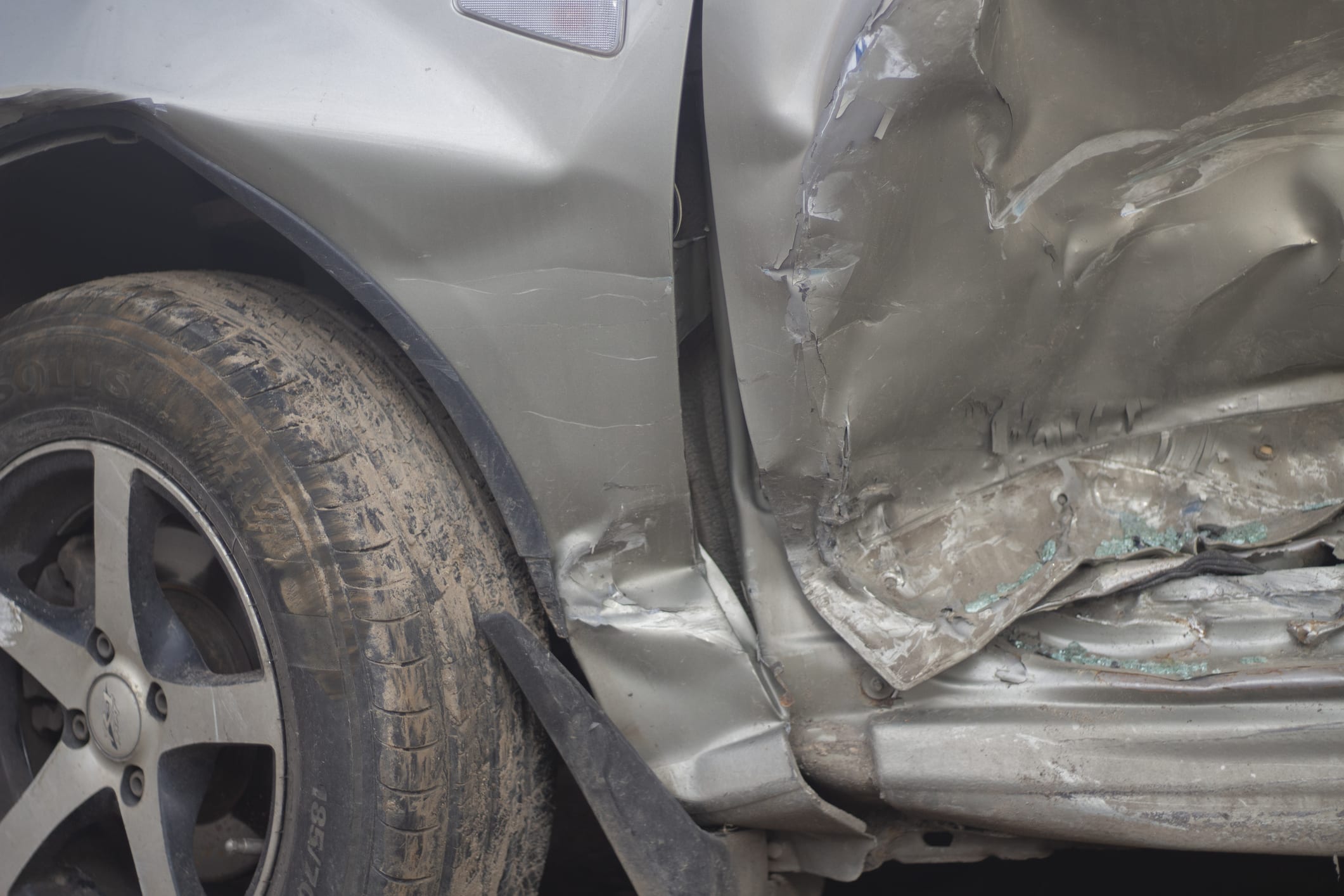
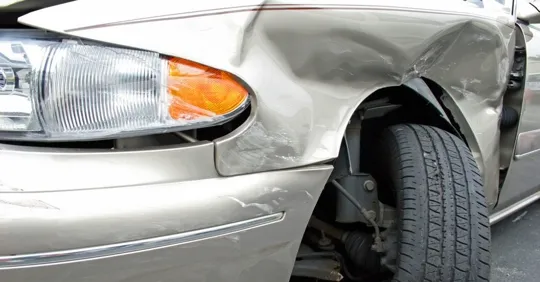
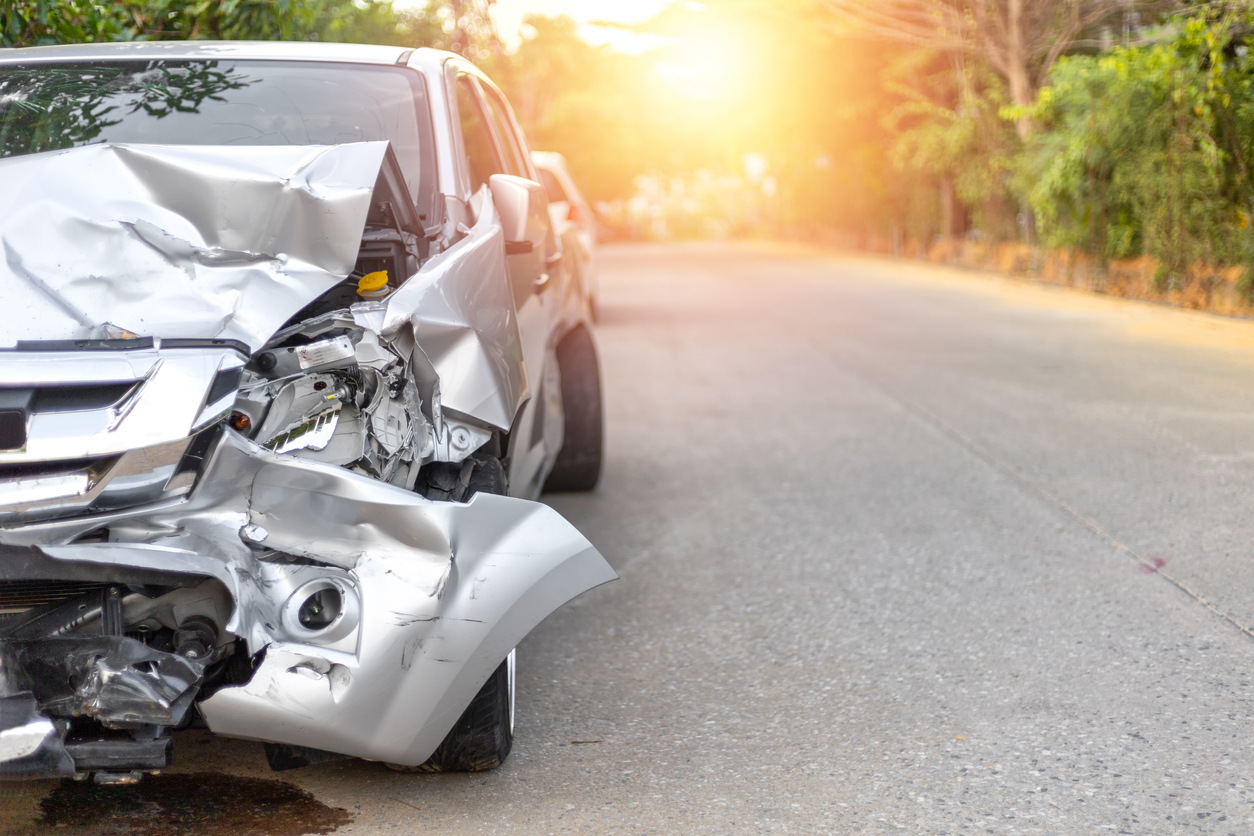
A car is “totaled” when the cost to fix it is near or above its value. Insurers compare the repair estimate to the actual cash value, or ACV. Many states and carriers use a threshold between 60% and 100%. Some add salvage value to the math. The car might move, steer, and stop. That does not mean it is safe or legal to drive.
This is the core of what happens when your car is totaled but still drivable. The insurer looks at economics first, not only safety. If repairs are high, they call it a total loss. That decision can happen even with light-looking damage, like hidden frame tweaks or airbag deployment.
Here is a simple example. Your car is worth 10,000 dollars. The repair is 8,000 dollars. The carrier totals it. The car can still run. Yet the numbers do not work.
Source: timstowingandrecovery.com
The claim timeline and who decides the total
After a crash, call your insurer. Open a claim. An adjuster inspects the car. They write an estimate. A supervisor or total loss unit checks the ACV. If the numbers meet the threshold, they declare a total loss.
What happens when your car is totaled but still drivable is a process, not a moment. You can help speed it up.
- Share clear photos of all sides, the VIN, the odometer, and the interior.
- Provide maintenance records and option lists. These can raise the ACV.
- Ask for the estimate and the valuation report. Read both line by line.
You can ask for a second review. If you disagree on ACV, use the appraisal clause in your policy. That clause allows an independent appraiser to review. It takes time but can pay off.
Source: wisnerbaum.com
Your options after a total loss
You have a few clear paths when you learn what happens when your car is totaled but still drivable.
- Take the payout and let the insurer keep the car. You hand over the title. They pay the ACV minus your deductible and any fees.
- Keep the car and take a reduced payout. This is owner retention. The insurer deducts salvage value from your check. The title will get a brand in most states.
- Repair on your own and drive later. You may need inspections. You may not get full coverage after.
- Sell the car as-is to a recycler or a hobbyist. Compare offers to the salvage deduction.
Ask your adjuster for the salvage deduction in writing. Then get bids from local yards. If your bids beat their deduction, you can ask for an increase in your payout.
Title, registration, and legality of driving
This part matters a lot. What happens when your car is totaled but still drivable often turns on your title. Once the insurer reports a total, the DMV may flag your title as salvage. A salvage title usually means you cannot drive it on public roads. You must repair and pass a rebuilt inspection first. After that, the title may read rebuilt or reconstructed.
Some states use different terms, like total loss, non-repairable, or prior salvage. Rules change by state. When in doubt, call your DMV before you drive it anywhere.
There is a gray window before the brand posts. Even then, driving a damaged car can be risky. If you get pulled over or in another crash, you could face trouble with liability and coverage.

Source: wintersandyonker.com
Insurance coverage going forward on a totaled or salvage vehicle
Carriers handle rebuilt vehicles in different ways. Many only offer liability on rebuilt titles. Some will offer comprehensive. Few will offer collision. Premiums can change. Underwriting can decline coverage based on year, miles, or airbag status.
This is a key piece of what happens when your car is totaled but still drivable. Your old policy does not always carry over. Ask your agent in writing:
- Will you insure a rebuilt title for liability only?
- Will you insure comprehensive or collision on a rebuilt title?
- Will roadside or rental still apply?
- Will a photo or inspection be required?
Get the answers before you spend money on repairs.

Source: wylylawfirm.com
Payout math and money questions
Your payout is based on ACV. ACV reflects the local market price before the crash. It can include tax and fees depending on your state and policy.
Here is the basic formula:
- ACV
- Minus your deductible
- Minus salvage value if you keep the car
- Minus unpaid premiums or add-ons if any
- Plus tax, title, and license in some states
If you have a loan, the lender gets paid first. If ACV is less than your balance, gap insurance may pay the rest. If you do not have gap, you must pay the shortfall.
Storage fees can grow fast. Move the car to your driveway or a free lot. Ask the adjuster for written approval to move it. Keep receipts.
This math sits at the heart of what happens when your car is totaled but still drivable. Know each line item. Ask for the valuation comps and options list. Check mileage, trims, and packages. Wrong options can lower your ACV.
Source: rosenbaumnylaw.com
Safety first: Should you keep driving it?
A car can drive but still be unsafe. Hidden damage is common. I have seen cars with bent frames but fresh paint. They pulled to the right and wore tires fast. I have seen cars with airbag lights off but modules never replaced.
Before you drive, check:
- Cooling system. A small leak can ruin an engine.
- Alignment. Uneven wear shows bent parts.
- Lights and sensors. ADAS faults raise risk.
- Airbags and seatbelts. These must be fixed right.
Part of what happens when your car is totaled but still drivable is a personal choice. Ask a trusted shop to do a thorough check. If the cost to fix safety items is high, walk away.

Source: johnfoy.com
How to negotiate value and avoid common mistakes
You can push back on value. I have helped drivers gain 500 to 2,000 dollars with simple steps. This is often the most important part of what happens when your car is totaled but still drivable.
Try this:
- Gather three to five local comps with similar trim, miles, and options.
- List every option your car has. Include packages, tires, and tech features.
- Share service records. New tires or a recent timing belt can help value.
- Show any recent repairs with receipts. Keep it factual and calm.
- Use the appraisal clause if talks stall.
Avoid these mistakes:
- Accepting the first offer without reading the valuation.
- Forgetting sales tax and fees if your state allows them.
- Leaving personal items in the car at the yard.
- Not removing plates or toll tags.

Source: simivalleychryslerdodgejeepram.com
Real examples from the field
A client had a compact SUV worth 12,500 dollars. Repairs were 9,200 dollars. The car drove fine. She kept the car, took a 2,000 dollar salvage deduction, and fixed it for 3,500 dollars with used parts. She passed the rebuilt inspection and drove it two more years. This is a good outcome of what happens when your car is totaled but still drivable when safety repairs are clear and costs are low.
Another driver had a sedan with frame damage. It pulled to the left even after repairs. He accepted the payout and moved on. He used the appraisal clause and gained 1,100 dollars. That is also what happens when your car is totaled but still drivable. Sometimes the smart move is to let it go.
Frequently Asked Questions of what happens when your car is totaled but still drivable
Can I legally drive a totaled car if it still runs?
Often no, once the title is branded salvage, you cannot drive it on public roads. You can only drive it after repairs and a rebuilt inspection if your state allows it.
Will my insurance drop me after a total loss?
Most carriers will finish the claim and pay the ACV. Future coverage depends on the car and title status, and many carriers limit coverage on rebuilt titles.
How many days do I have to decide to keep the car?
It varies by insurer and storage rules. Ask your adjuster for a written deadline and storage rate, and move the car to stop fees.
Does a totaled car always get a salvage title?
In most states, yes. Once reported as a total loss, the DMV brands the title as salvage or similar. Rules and timing vary by state.
Can I get full coverage on a rebuilt title?
Some carriers offer liability only, while a few offer comprehensive and collision. Ask several insurers, since underwriting rules differ.
What if repairs cost less than the salvage deduction?
If you plan to keep the car, compare your repair plan to the salvage deduction. If your plan is cheaper and safe, owner retention may make sense.
Will gap insurance help if my car is totaled?
Gap can cover the difference between ACV and your loan balance. It does not pay your deductible or add aftermarket parts value.
Conclusion
If your car is totaled but still drivable, you face a money and safety puzzle. Know the math, title rules, and limits on future insurance. Decide if repairs are safe and make financial sense. When you understand what happens when your car is totaled but still drivable, you can protect your wallet and your time.
Take control today. Ask for the valuation report, gather comps, and get your insurance options in writing. If this guide helped, share it with a friend, subscribe for more practical tips, or leave your question in the comments.