

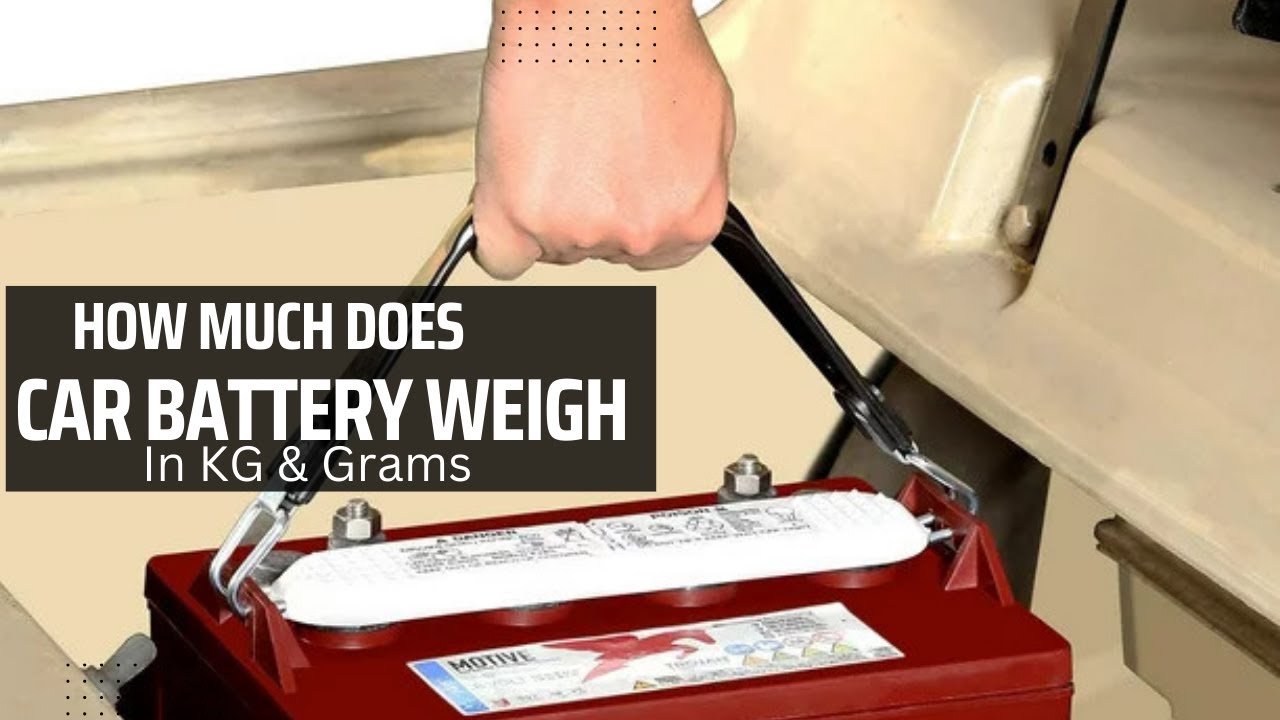
Most car batteries weigh 25 to 50 pounds; premium AGM can hit 60+.
If you’ve ever wondered how much does a car battery weigh, you’re in the right place. I work with batteries weekly, from compact sedans to heavy trucks and EVs. In this guide, I break down types, sizes, real numbers, and tips. You’ll learn what affects weight, why it matters, and how to choose the right option for your car.

Source: ufinebattery.com
Typical car battery weights by type and size
The weight of a car battery depends on chemistry and size. Most gas cars use 12-volt lead-acid batteries. Group size standards help you match fit and specs.
Here are common ranges I see in the shop:
- Small cars, BCI Group 35 or 47: 31 to 42 pounds
- Mid-size, Group 24 or 24F: 38 to 50 pounds
- Larger cars and SUVs, Group 49, H8, 94R: 50 to 65 pounds
- Start-stop AGM batteries: 45 to 65 pounds
- Lithium 12-volt replacements: 10 to 30 pounds (lighter but pricier)
- Hybrid high-voltage packs: 70 to 120 pounds (varies by model)
- EV battery packs: 800 to 1,500 pounds on average
If you ask how much does a car battery weigh for a compact sedan, expect near 35 pounds. If you ask how much does a car battery weigh for a big SUV or diesel truck, 55 to 70 pounds is common.
Always confirm the BCI group your car needs. Fit, terminals, and hold-down points must match.

Source: ufinebattery.com
What affects battery weight
Several factors push the weight up or down. Knowing these saves you from bad buys.
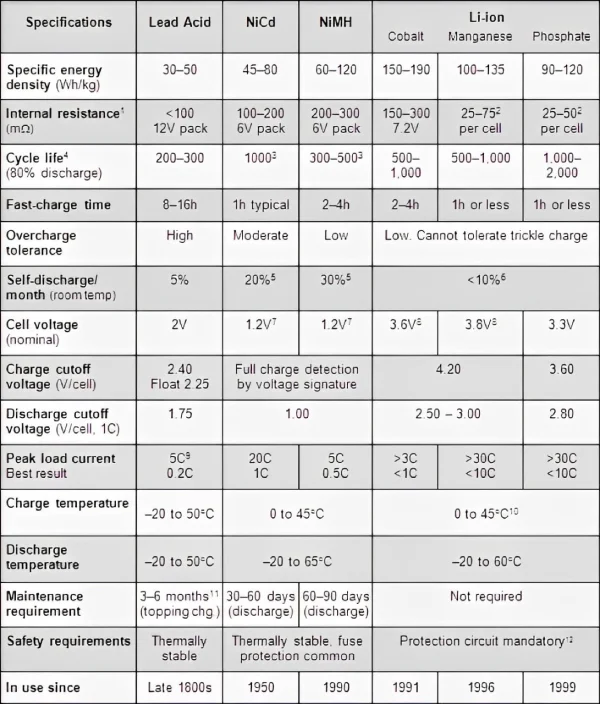
- Chemistry. Flooded lead-acid is standard and moderate in weight. AGM has more material and often weighs more. Lithium packs weigh far less at the same size.
- Capacity and CCA. More amp-hours or higher cold cranking amps means more lead plates. More lead means more weight.
- Group size. Bigger case equals more material. That adds pounds fast.
- Start-stop systems. These cars need stronger AGM batteries. They are heavier due to plate design.
- Build quality. Reinforced cases, carrying handles, and insulators add a little weight.
- State of charge and fluids. Flooded batteries with full electrolyte can be a bit heavier.
When people ask how much does a car battery weigh, the honest answer is, it depends. How much does a car battery weigh changes with size, chemistry, and performance goals.
Why battery weight matters in the real world
Weight is not just a number on a label. It affects daily use and long-term costs.
- Performance and handling. Extra weight over the front axle can change steering feel a bit.
- Fuel economy. A few pounds will not wreck MPG, but weight still matters over time.
- Fit and safety. Heavy batteries must sit flat and clamp tight. Loose batteries are a hazard.
- DIY work. A 55-pound battery can strain your back. Plan lifts and ask for help.
- Shipping and returns. Carriers and stores follow strict rules. Heavier batteries can cost more to ship and return.
If you wonder how much does a car battery weigh for your car, think about comfort, safety, and fit, not just the number.
Source: ufinebattery.com
How to weigh a battery safely at home
You can get a good weight reading with simple tools. Put safety first.
- Wear gloves and eye protection. Acid and sparks are risks.
- Disconnect negative first, then positive. Reverse this when installing.
- Bathroom scale method. Place a flat board on the scale. Zero the scale if it allows. Set the battery on the board. Read the weight.
- Tare method. Weigh yourself holding the battery, then without it. Subtract the two numbers.
- Keep terminals covered. Avoid shorts with wrenches or jewelry.
- Recycle properly. Most parts stores accept old batteries for free.
If a friend asks how much does a car battery weigh at home, this method gives a quick answer without special gear.

Source: theengineeringknowledge.com
Real-world examples and advice from the shop
I’ve swapped hundreds of batteries in driveways and bays. A few patterns stand out.
- BMW, Mercedes, and Audi sedans with Group 49 or H8 AGM often hit 58 to 65 pounds. Plan your lift and clear the trunk area.
- Many compact Japanese sedans run Group 35 around 35 to 40 pounds. These are easier on the back.
- Diesel trucks may use two batteries. Each can weigh 50 to 75 pounds. That’s a lot to move at once.
- Lithium 12-volt replacements feel shockingly light. A 20-pound pack can match the CCA of a 40-pound AGM.
When people ask me, how much does a car battery weigh, I ask what car, what system, and what climate. How much does a car battery weigh becomes clear once I know the group size and chemistry.
Source: youtube.com
Choosing the right battery weight for your car
Weight is a clue, not the whole story. Match what your car expects.
- Stick to the correct group size. This ensures fit, proper terminal layout, and safe clamping.
- For start-stop cars, use AGM or the spec the car calls for. Do not downgrade to a lighter flooded unit.
- In cold regions, pick higher CCA within spec. That often adds weight but helps winter starts.
- Consider lithium only if your charging system supports it. Check for low-temperature charge limits.
- Follow automaker guidance. Some cars need battery registration after replacement.
If you ask how much does a car battery weigh for the “best” choice, aim for the right spec first. How much does a car battery weigh matters less than meeting your car’s needs and safety.

Source: ufinebattery.com
Frequently Asked Questions of how much does a car battery weigh
Does battery weight change performance?
It can, but the effect is small in daily driving. A heavier battery may add stability up front, while a lighter one helps a bit with weight balance.
Is a heavier battery always better?
No. Heavier often means more lead and capacity, but matching the right spec is key. Choose the correct group, chemistry, and CCA for your car.
How much does an EV battery weigh?
Most modern EV packs weigh 800 to 1,500 pounds. The number depends on capacity, cooling, and the car’s platform.
Can I switch to a lighter lithium battery?
Yes, but confirm charging compatibility and cold-weather rules. Lithium is light and strong, but it may restrict charging below freezing.
Why is my new battery heavier than the old one?
AGM designs and higher CCA ratings add weight. Some brands also use thicker plates or stronger cases, which weigh more.
How much does a car battery weigh when it’s dead?
The weight is almost the same. State of charge does not change weight much; electrolyte level and design matter more.
Does battery weight affect fuel economy?
Only a tiny amount. Over years, small savings can add up, but fit and reliability are more important.
Conclusion
We covered real numbers, types, and trade-offs. You now know how much does a car battery weigh, what shapes that number, and how to choose with confidence. Match the right group and chemistry, and you’ll get safe starts and long life.
Take a minute to check your owner’s manual and current battery label. If you found this helpful, share it with a friend, subscribe for more car care guides, or drop your questions in the comments.