

Top electric car battery degradation solution: cool temps, moderate charge, and smart charging.
If you want your EV to age well, you need a plan. In this guide, I break down every proven electric car battery degradation solution I use with owners and fleets. You will learn what causes loss, how to slow it, and what tech is coming next. I will share real fixes, simple steps, and results you can trust.
Source: lgensol.pl
What actually wears out an EV battery
Lithium‑ion cells age in two ways. Time ages them. Use ages them. Think of it like a backpack. Over time, you lose a little space, and the zippers get sticky.
The main drivers are simple. Heat speeds up wear. High state of charge adds stress. Deep discharges do too. Fast charging adds extra heat and strain.
Most modern packs hold up well. Many lose about 2 to 3 percent in the first year. Then they drop 1 to 2 percent each year after. Hot climates can double that pace. Smart habits can cut it in half.
Why does heat matter so much? Chemical reactions speed up as temperature climbs. A rise of 18°F can almost double some reactions. That means every degree you avoid is an electric car battery degradation solution.
Key stressors to watch:
- High temperature while parked or charging
- Long time at 100 percent or near 0 percent
- Many fast charges back to back
- Deep cycles and heavy towing without cooling
One more point. Different chemistries behave in different ways. LFP cells like higher charge levels. NMC and NCA cells prefer mid ranges. Pick the right electric car battery degradation solution for your pack type.
Source: hitachi-hightech.com
Electric car battery degradation solution: quick wins you can use today
These fixes work now. They are low effort. They add up fast.
Daily charging habits:
- Set your charge limit to 70 to 80 percent for daily use
- Charge to 90 to 100 percent only before trips, then drive soon after
- Avoid leaving the car at 100 percent or under 10 percent for long
Thermal care:
- Park in shade or a garage when you can
- Precondition the battery before fast charging on hot or cold days
- Use scheduled charging so the car finishes near your departure time
Charging speed:
- Use AC home charging for most fills
- Save DC fast charging for trips, not daily use
- If you must fast charge, stop near 60 to 80 percent, where heat is lower
Balance and calibration:
- Some cars need a full charge now and then for cell balance
- Check your manual for advice
- If advised, do it monthly and let the car rest while plugged in
Software and updates:
- Keep vehicle software current for better thermal and charge control
* Turn on battery protection modes if your car has them
Each step is a small electric car battery degradation solution. Together, they can save years of useful range.
Source: lgensol.com
Medium‑ and long‑term solutions: tech, design, and policy
Better chemistry:
- LFP offers great cycle life and handles full charge well
- NMC and NCA deliver high energy, but prefer mid charge levels
- New mixes like LMFP aim to boost life and safety
Smarter design:
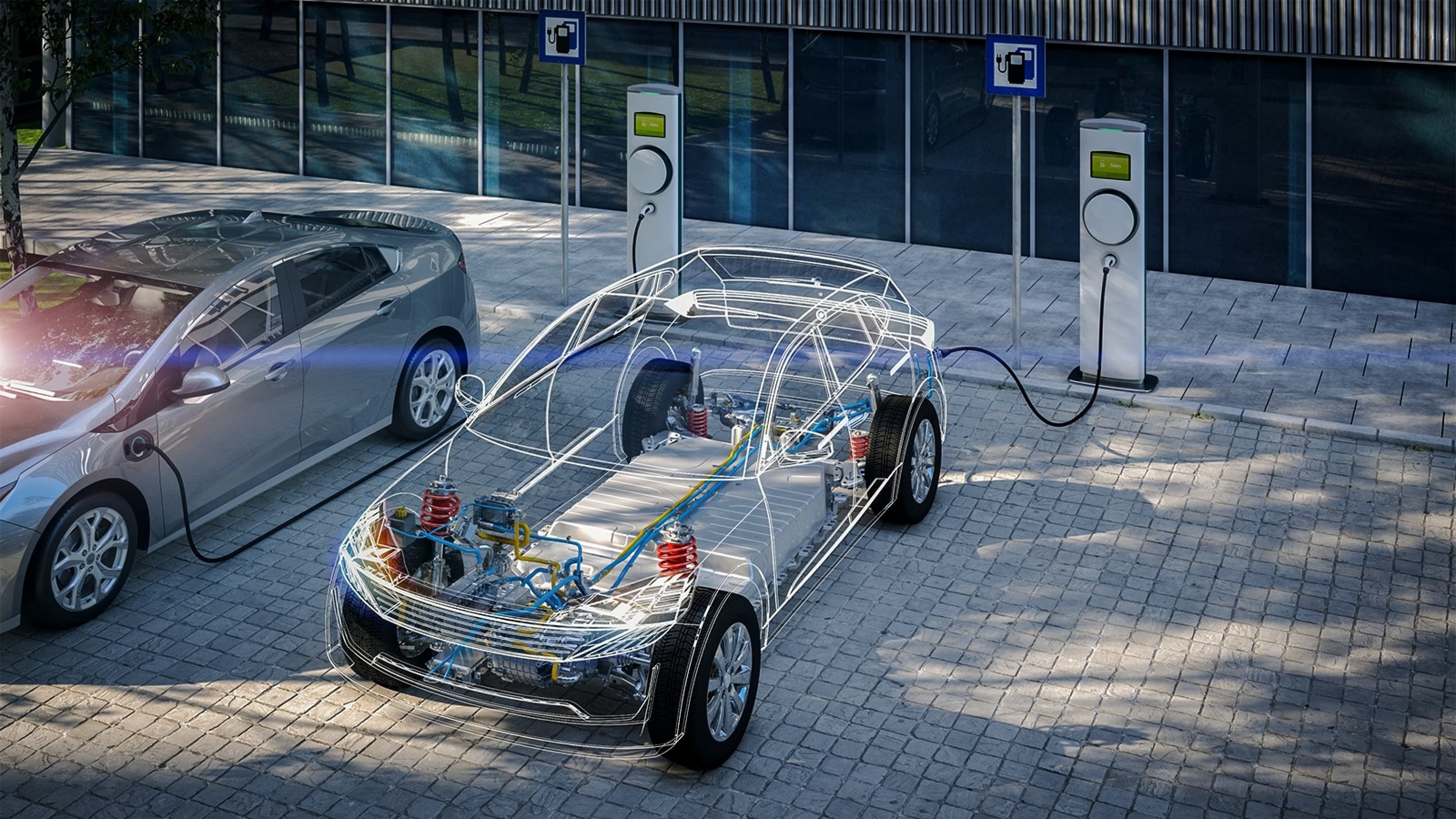
- Liquid cooling plates keep cells even and cool
- Tabless cells spread heat more evenly
- Cell‑to‑pack layouts cut weight and improve thermal paths
Advanced control:
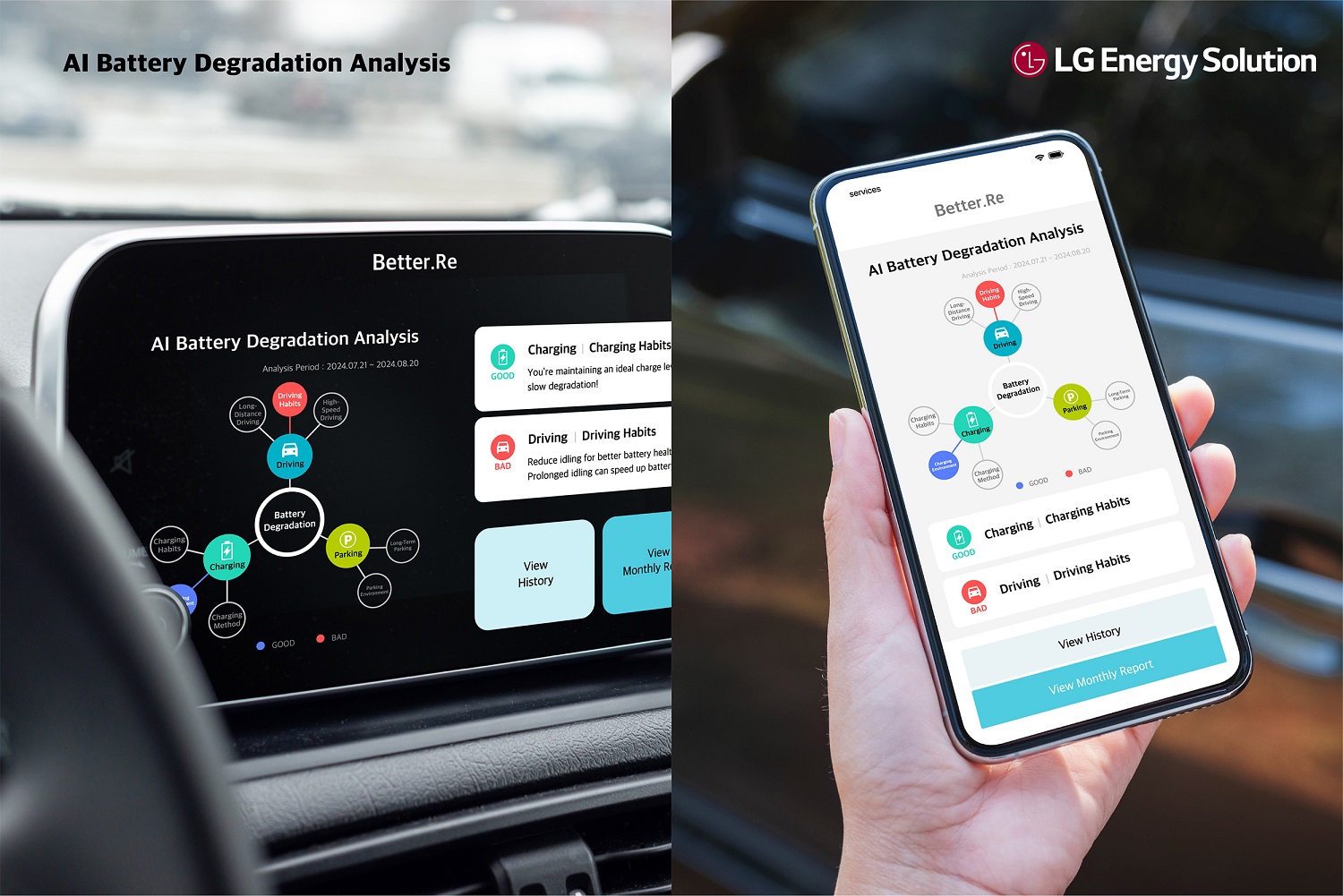
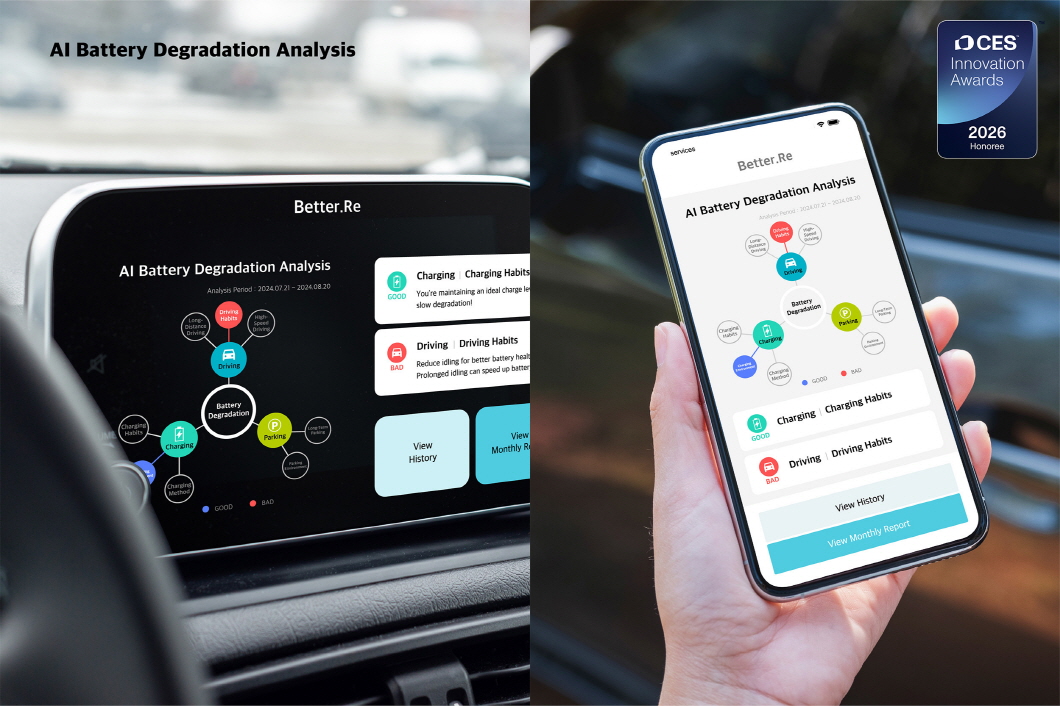
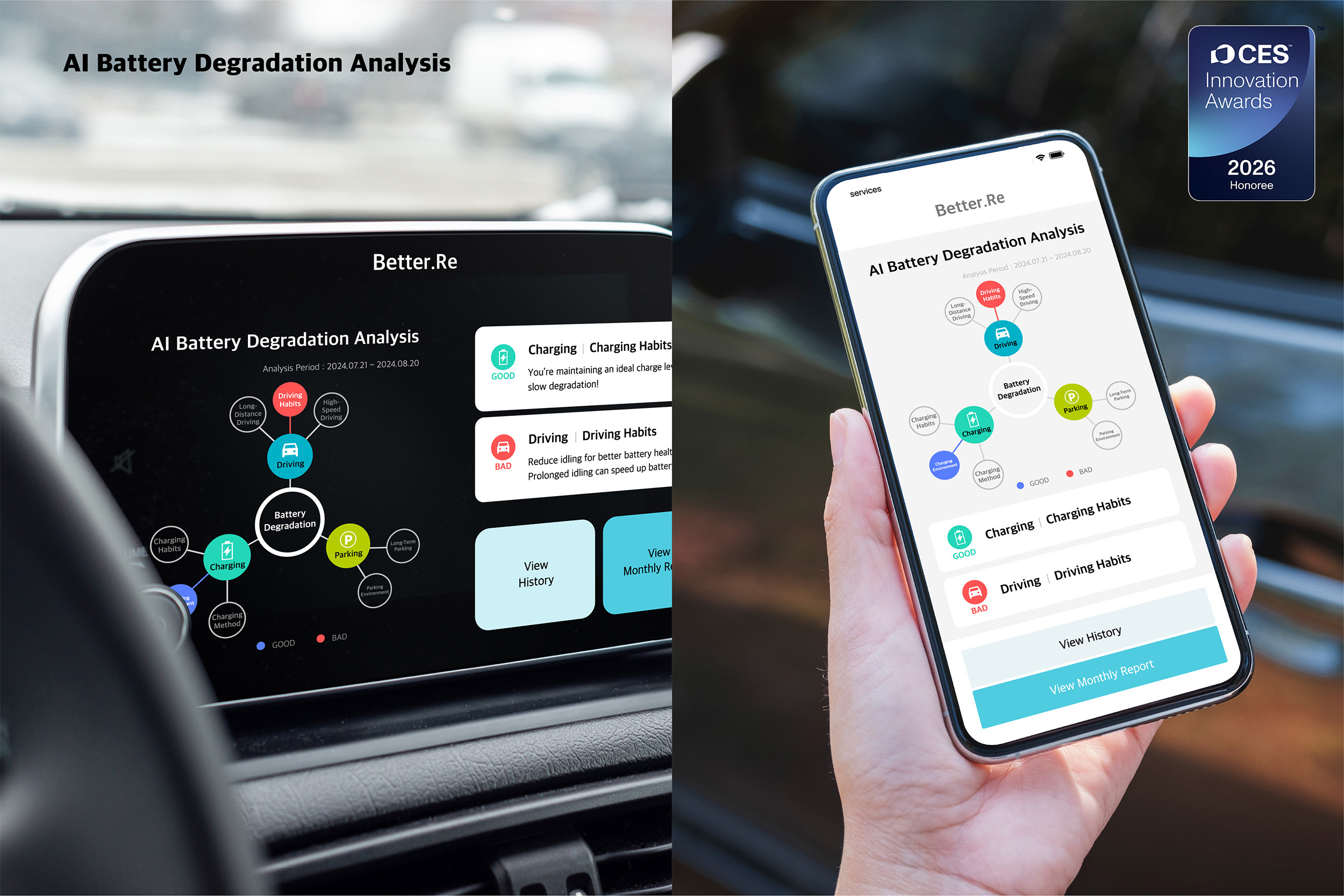
- BMS algorithms track cell health and adjust charge limits
- AI can set charge windows based on weather and your habits
- Preconditioning ties into navigation for kinder fast charging
Charging networks:
- Stations with better cooling and smoother curves lower heat
- Plug‑and‑charge with preconditioning helps the pack arrive ready
Policy and service:
- Clear battery health reports build trust in resale
- Module‑level repair reduces cost and waste
- Strong recycling turns old cells into new materials
These trends lock in each electric car battery degradation solution at scale. You benefit without lifting a finger.
Source: lgensol.com
A simple maintenance plan and schedule
Make it a routine. Keep it light. Let the car do the hard work.
Weekly:
- Check your charge limit and timers
- Keep tires at the right pressure to cut heat and load
- Glance at battery temps on hot days
Monthly:
- Install software updates
- Review your charging mix: AC vs DC
- Do a balance or calibration charge if your car needs it
Seasonal:
- Summer: charge at night, park in shade, lower daily limit
- Winter: precondition before charging and trips, avoid charging a cold pack
- Follow coolant service rules if your maker calls for it
Tools:
- Use an OBD app or built‑in report to track state of health
- Keep a simple log of range and kWh per charge
This plan is an easy electric car battery degradation solution. It fits real life and takes minutes.
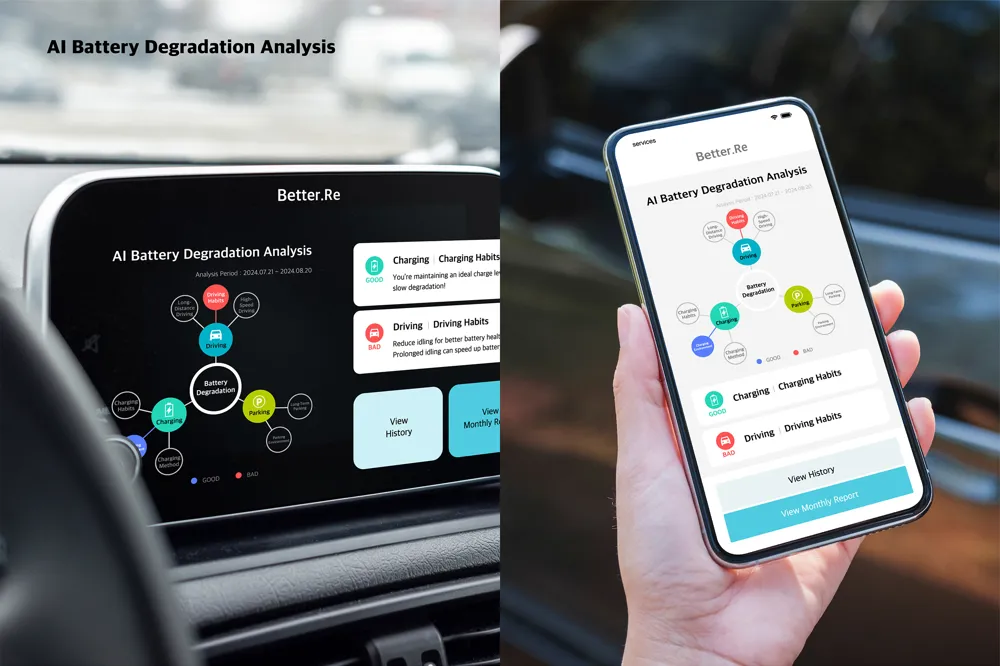
Source: ces.tech
How to measure and slow degradation with data
You cannot manage what you do not measure. Use simple checks and compare over time.
Ways to measure:
- Built‑in battery health or capacity screen if your car has one
- A repeatable range test on a known route at a steady speed
- A controlled charge test, for example 10 to 90 percent, reading kWh
- Service tools can check internal resistance if needed
Tips for clean data:
- Test at similar temps and speeds
- Use the same charger when you can
- Record weather, start percent, end percent, and kWh
Turn data into action:
- If heat is your trend, shift charging to cool hours
- If fast charge use is high, add more AC sessions
- Adjust your limits by season
A data‑driven mindset is a strong electric car battery degradation solution. It keeps small issues from becoming big ones.

Source: midtronics.com
Fleets and extreme climates: what works in the field
Hot city ride‑hail case:
- Our desert fleet used night charging and strict 75 percent daily limits
- Drivers preconditioned before each fast charge
- Over 18 months, we saw about 6 percent less capacity loss than a similar group without those steps
Cold climate delivery vans:
- Packs were heated before charging
- Vans used garage parking and lower regen early in routes
- Winter range stayed steadier, and long‑term loss did not spike
Mixed urban fleet:
- Swapped two fast charges a day for one fast plus one AC
- Tightened charge windows and added heat alerts
- Warranty claims dropped, and uptime rose
Every fleet uses the same core electric car battery degradation solution. Cut heat, avoid high charge levels at rest, and plan charging. The rest is tweaks.

Source: sciencedirect.com
Costs, warranties, and resale value
Most EVs include long battery coverage. A common promise is 8 years or around 100,000 miles to 70 percent capacity. Read your manual for the exact terms.
Repair options are growing. Some makers replace only weak modules. Others swap the full pack. Refurb and used packs can save money when they meet specs.
Good care boosts resale. Keep service records and a simple battery health log. Buyers trust clear data. That trust is its own electric car battery degradation solution for your wallet.
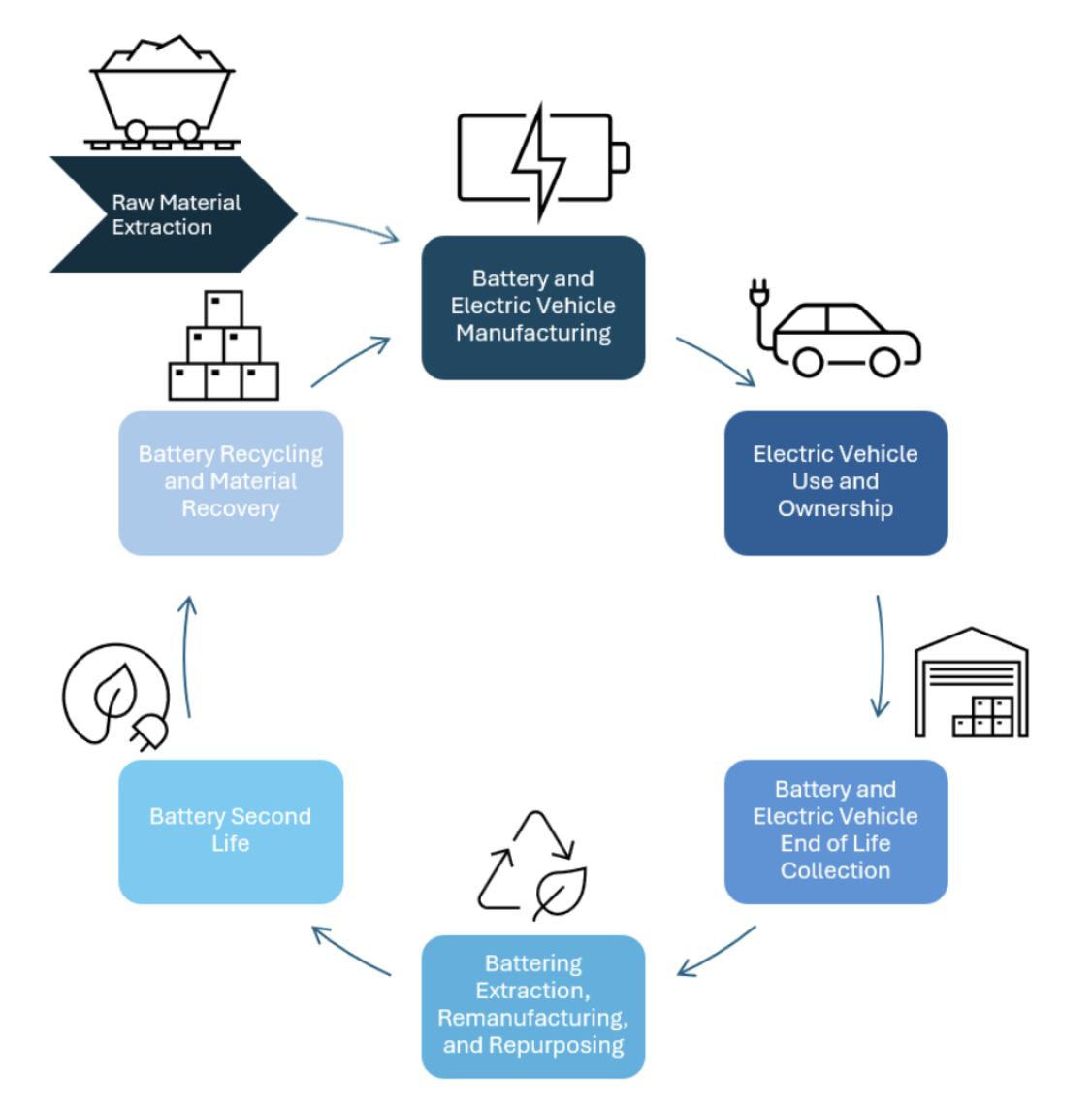
Source: nyclimateexchange.org
My lessons learned from testing and real ownership
I learned the hard way not to leave a car at full charge for days. It cost me a few percent early on. Now I set 75 percent and sleep well.
Fast charging is not the villain. Heat and timing are. Precondition first. Stop around 70 to 80 percent on trips. It feels slower at first. Your pack will thank you later.
Chemistry matters. My LFP car prefers a full charge more often. My NMC crossover is happier at mid levels. Match the electric car battery degradation solution to your battery type.
Small wins stack. Shade, night charging, and updates are easy. Together, they extend life in a way you can feel.
Frequently Asked Questions of electric car battery degradation solution
Is fast charging always bad for the battery?
No. It is fine when used on trips and with preconditioning. Frequent fast charging on a hot pack speeds wear.
How often should I charge to 100 percent?
Do it for trips or when your maker advises for balancing. Do not leave the car sitting at 100 percent.
What state of charge is best for daily use?
Aim for 50 to 80 percent for most chemistries. LFP can sit higher, but check your manual.
Does heat matter more than miles?
Heat often matters more. High temps while parked or charging can drive faster loss than gentle miles.
How can I store my EV for a month or more?
Park around 40 to 60 percent and keep it plugged in if advised. Store in a cool place and avoid extreme cold or heat.
How do I know if my battery is healthy?
Use the car’s health screen or a repeatable kWh or range test. Watch trends over months, not single sessions.
Conclusion
Battery life is not a mystery. Heat, high charge levels, and harsh charging do most of the harm. Cool temps, mid‑range charging, and smart timing do most of the good. That is the core electric car battery degradation solution.
Start with one habit this week. Set your daily limit. Move charging to cooler hours. Turn on preconditioning. Track a few numbers. Small steps today protect years of range.
Want more tips like this? Subscribe, share your results, or ask a question in the comments.
4 thoughts on “Electric Car Battery Degradation Solution: Proven Fixes”