

Verify the car, the seller, and the paperwork before you pay.
Buying a used car should feel exciting, not risky. I’ve helped many people shop smart and avoid traps, and I’ve seen the same patterns over and over. In this guide on how to avoid used car scams USA, I’ll show you a safe, simple plan. You will learn what to check, who to trust, and when to walk away. If you want a clear, expert roadmap on how to avoid used car scams USA, you’re in the right place.

Source: whnt.com
The used car scam landscape in the USA
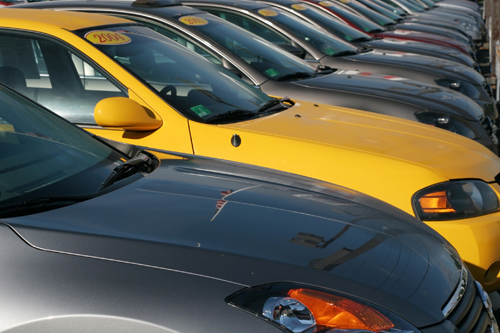
Used cars are in high demand. Scammers follow the money. They fake ads, hide damage, and push fast deals. The good news is you can spot most tricks with a simple process.
I base this guide on field checks, law rules, and data from agencies. That includes federal advice on odometers, flood cars, and title fraud. If you need a fast path on how to avoid used car scams USA, use the steps below and stick to them.
Source: texas.gov
Common scams to watch for
Know the red flags. It will save time and stress.
- Title washing. A salvage or flood title is moved across states to hide it.
- Odometer rollback. The mileage is lowered to boost the price.
- Curbstoning. An unlicensed dealer poses as a private seller.
- Flood or lemon resales. Water damage or buybacks reappear with a clean story.
- VIN cloning. A stolen car is given a VIN from a clean car.
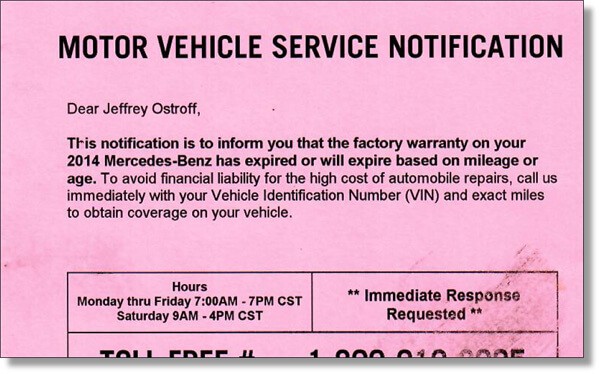
- Fake escrow and shipping. Scammers ask for gift cards, crypto, or wire to “escrow.”
- Deposit traps. You are pushed to pay a “refundable” deposit, then the car vanishes.
If you want a simple rule on how to avoid used car scams USA, remember this: if the deal feels rushed or secret, step back.
Source: carbuyingtips.com
A step-by-step safe buying plan
Here is a plan I use with clients. It is simple and strict.
- Research the model. Check common faults, recalls, and market price.
- Pre-screen the seller. Ask for full name, phone, and exact address.
- Ask for the VIN. Never view or pay without the VIN.
- Pull a history report. Look for owner count, title brand, and maintenance.
- Run free checks. Use federal recall and scam hotlines if needed.
- Inspect in daylight. Meet in a public place with cameras.
- Test drive. Warm the engine, check all gears, and drive at highway speed.
- Get a pre-purchase inspection. Use an independent ASE mechanic.
- Close with proper paperwork. Match VINs, names, and odometer.
- Pay the safe way. Avoid wires to people you do not know.
Follow this process if you want a sure path on how to avoid used car scams USA.

Source: youtube.com
How to verify history and title
A clean title can still hide trouble. Verify more than one source.
- Check the VIN in several tools. Look for title brands and odometer notes.
- Read the report timeline. Gaps can mean hidden owners or damage.
- Match VINs. Check the dash, door jamb, windshield, and engine bay.
- Call the state DMV. Confirm the title status and liens.
- Search the VIN online. See if the photos or ad appear in many cities.
I once spotted a cloned VIN when the door sticker font looked wrong. The dash VIN looked fine, but the door label was off. Small things matter. This is core to how to avoid used car scams USA.
Source: sherpaautotransport.com
Smart inspection and test drive
A thorough check beats a shiny wash. Use your senses.
- Smell for mold. A musty smell can mean flood damage.
- Look for water lines. Check under seats and spare tire well.
- Inspect bolts and panels. Fresh paint near bolts can mean crash repair.
- Check tires. Uneven wear can mean bad alignment or frame issues.
- Scan the OBD-II. A cheap scanner can catch pending codes.
- Test electronics. Windows, lights, AC, sensors, cameras, and key fobs.
- Drive on varied roads. City, highway, and a rough patch to hear rattles.
- Brake hard once. The wheel should not shake. The car should track straight.
I helped a friend pass on a “perfect” SUV when the ABS light did not come on at start, which it should. The bulb had been pulled. Details like that are key in how to avoid used car scams USA.

Source: canadianautodealer.ca
Safe payment and financing
Money is where scams hit hardest. Keep it slow and trackable.
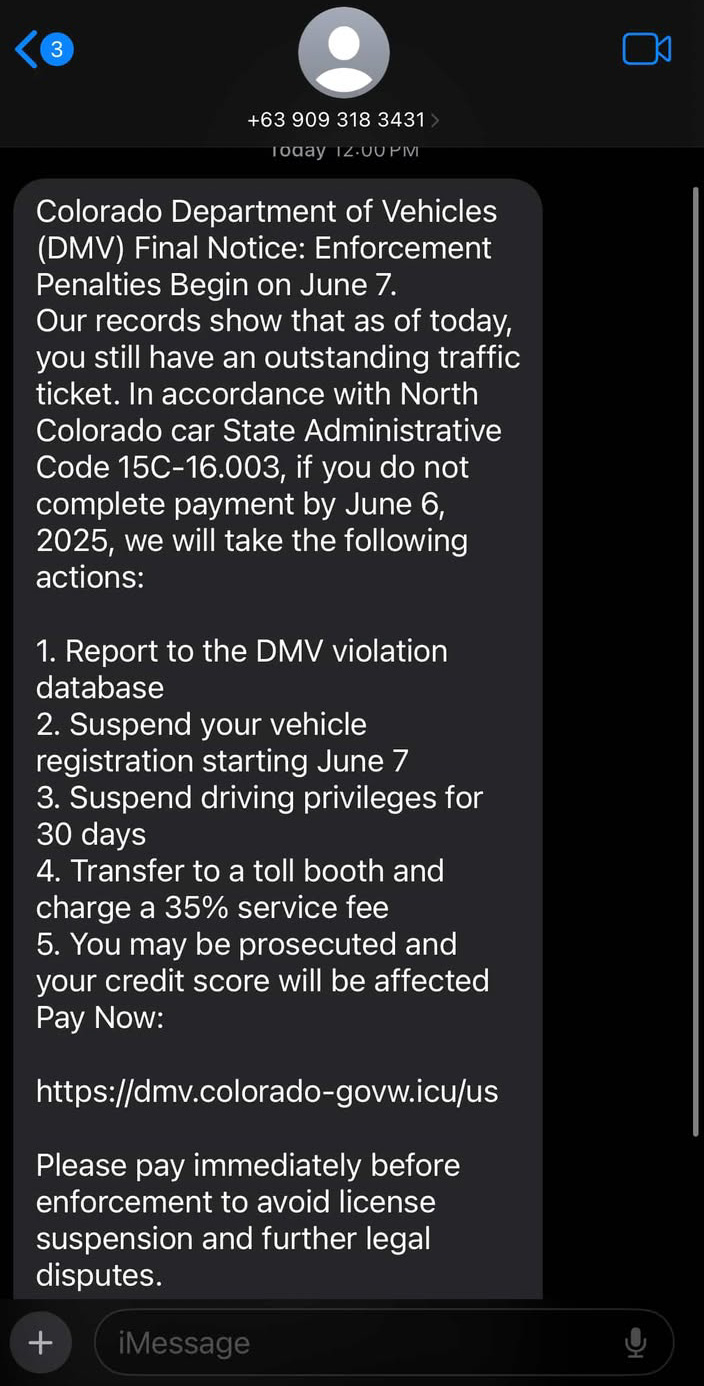
- Never pay with gift cards or crypto. Real sellers will not ask for that.
- Use a bank cashier’s check or bank transfer at a branch.
- Meet at the buyer’s bank or your bank. Ask staff to verify the check.
- Use an escrow only from a known bank or title company. Verify by phone.
- If there is a lien, pay the lienholder directly. Meet there to clear it.
One client avoided a $9,000 loss by refusing a third-party “escrow” link. The site looked real. The bank confirmed it was fake. This is textbook how to avoid used car scams USA.
Source: colorado.gov
Paperwork you must complete
Paperwork protects you. It also proves ownership.
- Title. Names must match IDs. VIN must match the car.
- Bill of sale. Include price, VIN, date, and both signatures.
- Odometer disclosure. Federal law requires it for most cars under a set age.
- Release of liability. File it with your state right away.
- Temporary tag and insurance. Do not drive without legal cover.
- Emissions and safety. Some states need tests before or after sale.
Keep copies of IDs. Take clear photos of both sides of the title. Paper trails are your shield in how to avoid used car scams USA.
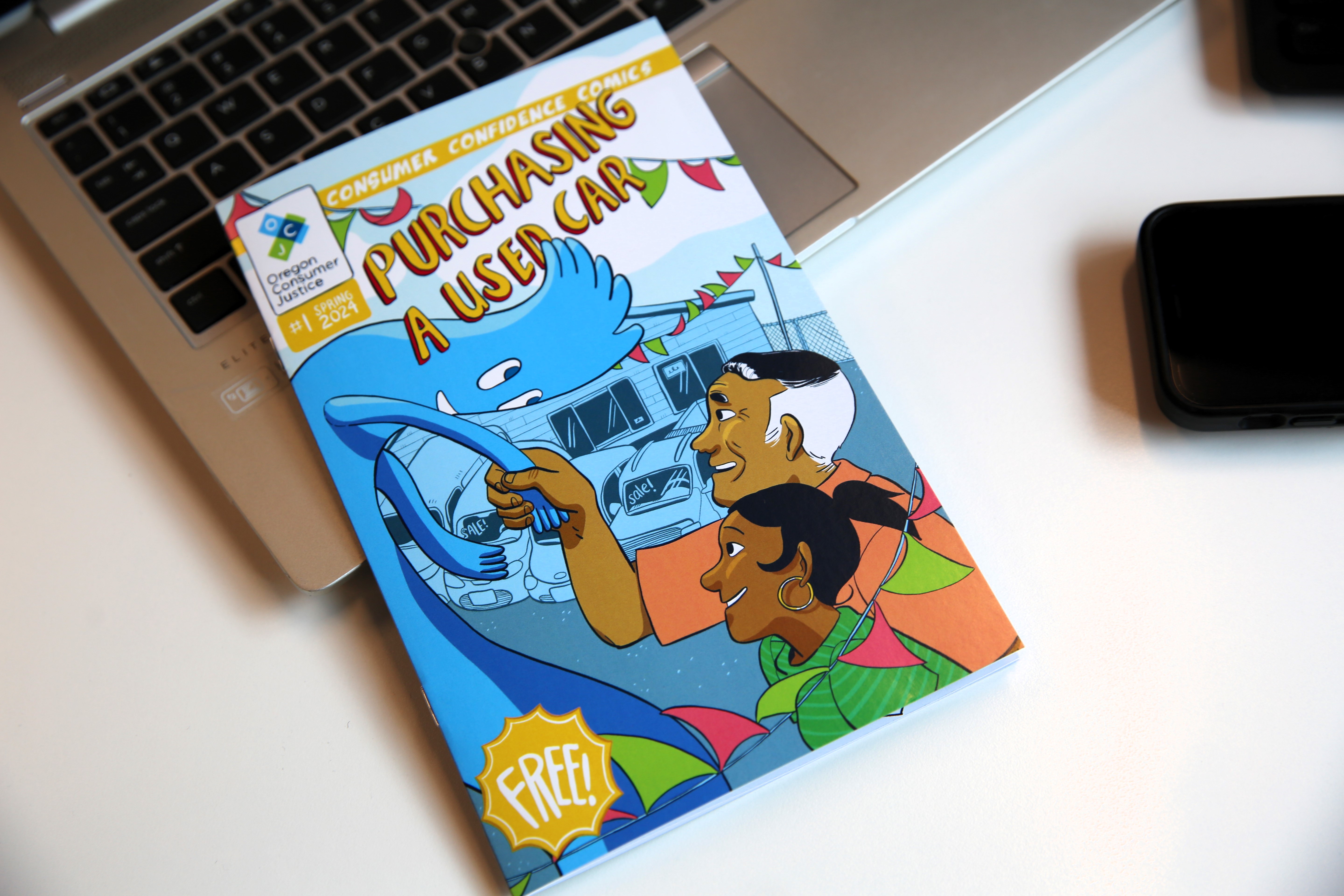
Source: opb.org
Online marketplace and out-of-state tips
Online deals are fine when you slow down and verify.
- Use platforms with buyer protection. Read the rules and limits.
- Video call the seller. Ask to see the car and VIN live.
- Ask for cold start video. Listen for knocks, smoke, or warning lights.
- Hire a mobile inspector. They send a full report and many photos.
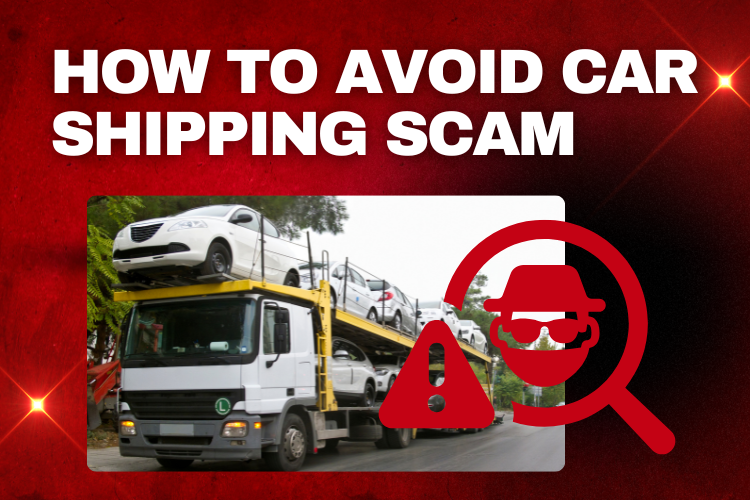
- Ship with a licensed carrier. Pay the carrier, not a random broker.
- For out-of-state titles, call both DMVs. Check taxes, title steps, and fees.
Out-of-state is a common trap. A clean local car is often the better pick. This is honest advice on how to avoid used car scams USA.
Dealer vs private party: what changes
Both can be safe. Both can go wrong.
- Dealer perks. Some offer short warranties, return windows, or service records.
- Dealer risks. Packed fees, aggressive sales, or spot-delivery tricks.
- Private perks. Lower prices and a direct owner story.
- Private risks. Curbstoners, fake names, and no returns.
Ask dealers for a written out-the-door price. With private sellers, meet at a DMV or police lot. Either way, the same rules apply in how to avoid used car scams USA.
If you suspect a scam: next steps
Act fast, but stay calm. Save all proof.
- Stop contact. Do not send more money or info.
- Gather records. Save ads, texts, emails, and photos.
- Call your bank. Try to stop or recall the payment.
- Report it. Notify local police and federal hotlines.
- Inform the platform. Have the ad removed to help others.
- Talk to your insurer and a lawyer if needed.
I helped a buyer recover funds by flagging a fake VIN across forums and with the platform. Early action works. It is part of how to avoid used car scams USA.
The 10-minute pre-purchase checklist
Use this quick list before you commit.
- Ask for VIN, title photo, and driver’s license.
- Run a history report and free recall check.
- Match all VIN locations on the car.
- Inspect in daylight and check for water marks.
- Drive 15 to 20 minutes on mixed roads.
- Scan for codes and check all electronics.
- Get an independent mechanic inspection.
- Confirm liens with the bank or DMV.
- Complete title, bill of sale, and odometer forms.
- Pay at a bank with verified funds.
Keep this list on your phone. It is a practical tool on how to avoid used car scams USA.
Frequently Asked Questions of how to avoid used car scams USA
What is the biggest red flag in a used car listing?
A price far below market with a push to pay fast. When the seller avoids calls or a meeting, walk away.
How can I check for odometer fraud?
Compare mileage on service records and inspections. Look for wear on pedals, seats, and steering that does not match the miles.
Is a rebuilt or salvage title always bad?
Not always, but risk and insurance costs are higher. Get repair photos and a strong inspection before you consider it.
Can I trust a clean Carfax or history report?
Use it as one tool, not the only tool. Back it up with a full inspection and DMV checks.
What payment method is safest for private sales?
A cashier’s check verified at the bank is best. If there is a lien, pay the lienholder directly in person.
How do I handle a lien on the title?
Meet at the lienholder’s office to pay it off. Get a lien release in writing on the spot.
Should I buy a car without seeing it?
Only if you use a trusted inspector and verified escrow. Make sure you can reject the car if it does not match the report.
Conclusion
You can shop with confidence when you slow down, verify, and document every step. Learn the red flags, follow the checklist, and do not let anyone rush you. That is the heart of how to avoid used car scams USA.
Take action now. Save this guide, run your VIN checks, and book a pre-purchase inspection for any car you like. Want more help on how to avoid used car scams USA? Subscribe for updates, ask a question, or share your experience to help others.