

For many shoppers, 60,000 to 100,000 miles with full maintenance history is ideal.
If you want a smart buy, read on. I’ve spent years helping buyers figure out how many miles is good for a used car. The answer changes with age, maintenance, and how the car was driven. This guide breaks it down in simple steps, with real checklists and examples you can use today.

What “good miles” really means
Mileage is a clue, not a verdict. A well kept car at 120,000 miles can beat a rough 60,000-mile car. Ask a better question: how many miles is good for a used car for your budget and needs?
Key ideas to frame your search:
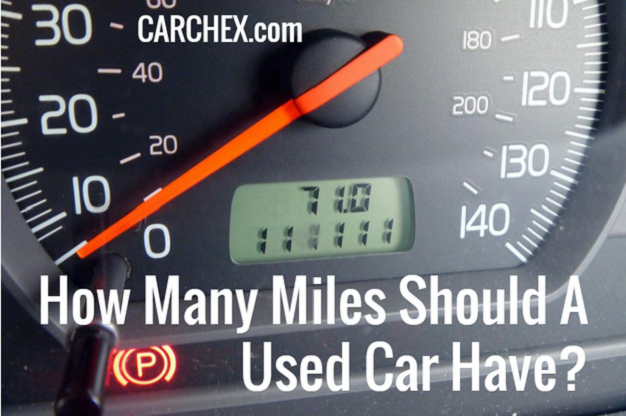
- Average driving in the US is about 12,000 miles per year. Use this to judge “normal.”
- Modern cars often last 200,000 miles with proper care. Many go beyond that.
- Records trump odometers. A clean, complete service history is gold.
As you weigh how many miles is good for a used car, think in ranges, not a single number. Then match that range to maintenance, price, and planned use.

Practical mileage benchmarks and what to expect
Here is a clear way to think about odometer ranges. These are guides, not hard rules.
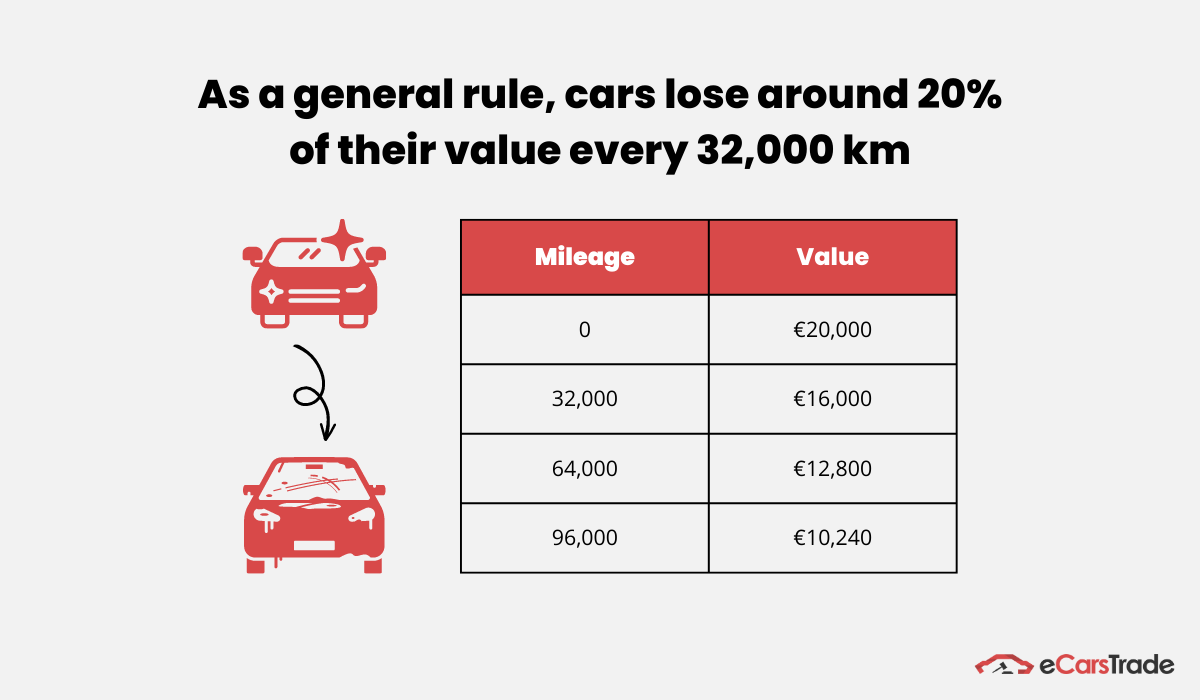
- Under 60,000 miles: Often still under warranty or just out. Many parts are fresh. Price is higher.
- 60,000 to 100,000 miles: Sweet spot for many buyers. Big services may be done. Value is strong.
- 100,000 to 150,000 miles: Fine if records are solid. Budget for wear parts. Price should reflect risk.
- 150,000 to 200,000 miles: Choose only proven models with top care. Plan for repairs.
- 200,000+ miles: Niche buys. Only with full records, clean inspection, and a low price.
Common service items by mileage:
- Tires and brakes: 30,000 to 60,000 miles, then repeat as needed.
- Fluids: Engine oil often 5,000 to 10,000 miles; transmission and coolant 60,000 to 100,000 miles.
- Spark plugs: 60,000 to 100,000 miles.
- Timing belt (if equipped): 90,000 to 105,000 miles in many models.
- Hybrids and EVs: Battery warranties often 8 years/100,000 miles to 10 years/150,000 miles, depending on brand.
These touchpoints help you judge how many miles is good for a used car at a glance.
Condition vs. mileage: the better scorecard
Mileage is a number. Condition tells the story. Here is how I rank the things that beat raw miles.
- Records: Look for regular oil changes, fluid service, and major services done on time.
- Ownership pattern: One- or two-owner cars with long holds often show better care.
- Driving mix: Highway miles are easier on parts than stop-and-go city use.
- Climate: Rust states and coastal areas can age a car fast. Check the underbody and bolts.
- Modifications: Heavy mods can mean hard use. Stock cars are safer bets.
- Storage: Garaged cars age slower. Sun and heat wear paint, rubber, and plastics.
I often choose a 120,000-mile car with a binder of receipts over an 80,000-mile car with no records. That is the real answer to how many miles is good for a used car.
How to calculate “good miles” for your case
Use this simple method when you shop.
Step 1: Define your target life
- How long will you keep it? Two, five, or ten years?
- How much do you drive each year?
Step 2: Estimate remaining life
- Many well kept cars can reach 200,000 miles or more.
- Remaining miles = 200,000 minus current odometer (adjust up or down by model).
Step 3: Price per remaining mile
- Total cost to buy = price + tax + near-term repairs.
- Price per mile = total cost to buy divided by remaining miles.
Step 4: Compare two cars
- The car with the lower price per mile, better records, and cleaner inspection wins.
This math moves you past “how many miles is good for a used car” and into value you can see.
Differences by vehicle type and powertrain
Not all miles are equal. Model type matters.
Sedans and small cars
- Often low costs, simple parts, and long life if serviced.
- Great for high-mile drives on a budget.
SUVs and trucks
- Can handle miles well, but parts are larger and can cost more.
- Transmissions and 4×4 systems need proper fluid care.
Hybrids
- Engine wear is lower in city use. Batteries have long warranties.
- Look for battery health checks and inverter cooling service.
EVs
- Few moving parts. Brakes last longer due to regen.
- Focus on battery state of health, fast-charging history, and thermal management records.
Luxury and performance cars
- Great to drive, but parts and labor cost more.
- Miles can be fine. Make sure maintenance is top tier.
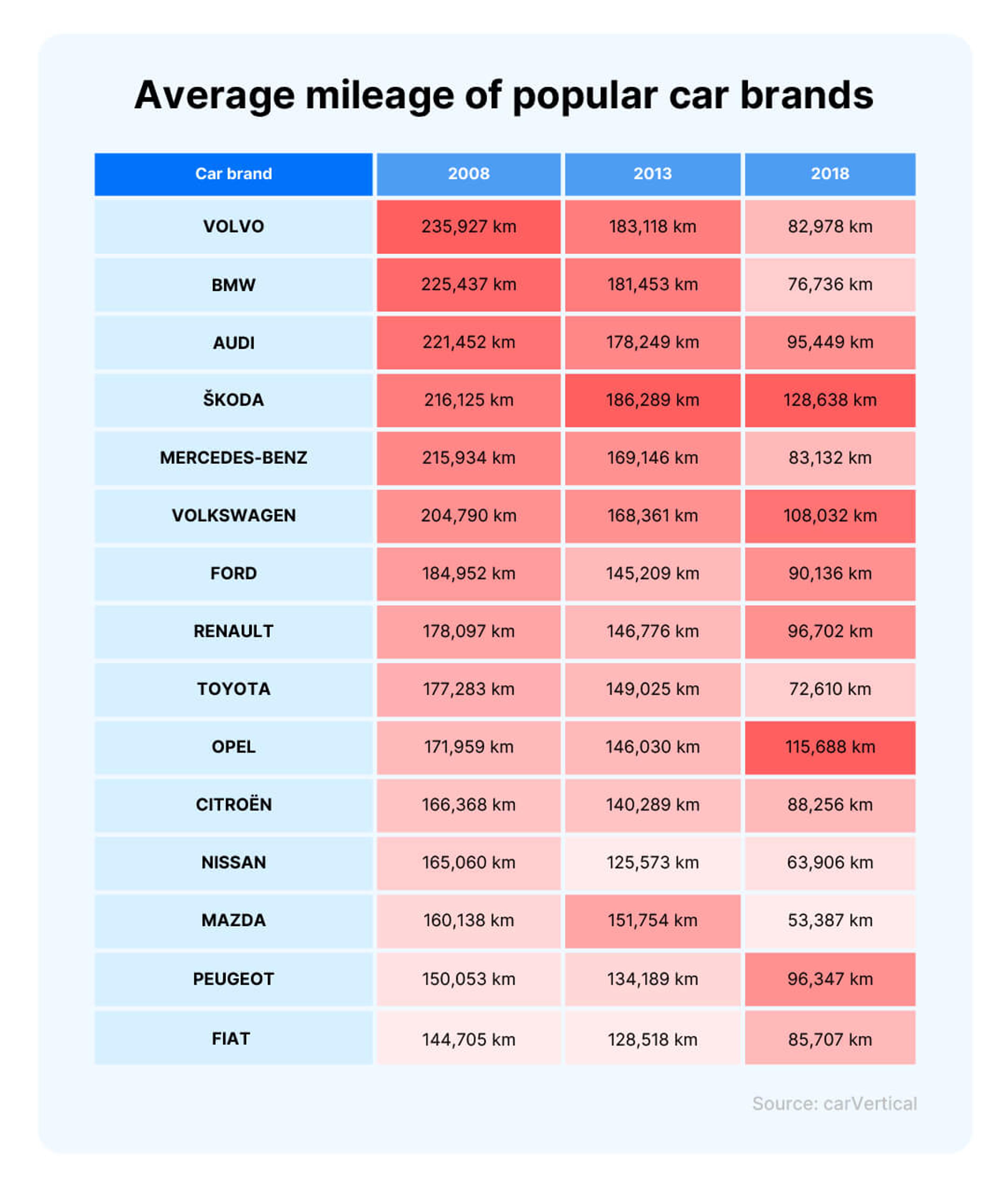
When you ask how many miles is good for a used car, factor in the powertrain and repair costs you can afford.
My real-world buying lessons
I have helped many buyers over the years. A few patterns always show up.
- A 90,000-mile compact with timing belt, plugs, and fluids done at 85,000 miles is a strong buy.
- A 70,000-mile luxury SUV with spotty records can bleed your wallet.
- A 130,000-mile hybrid with a clean battery report can be a smart city car.
- An EV with 80% battery health can still fit a short daily commute well.
I once picked a 110,000-mile sedan over a 65,000-mile twin. The higher-mile car had new tires, brakes, and recent major service. It cost less to run for three years. That is how I answer how many miles is good for a used car in real life.
A step-by-step used car mileage checklist
Use this quick checklist before you buy.
- Scan the records: Oil, coolant, transmission, and brake fluid changes logged?
- Inspect the wear: Tires even? Brake rotors smooth? Belts and hoses fresh?
- Start it cold: Listen for rattles, smoke, or long cranks.
- Road test: Check shifts, steering, braking, and highway stability.
- Electronics: Test all windows, locks, HVAC, sensors, and safety aids.
- OBD-II scan: Look for codes and readiness monitors.
- Underside check: Rust, leaks, or fresh undercoating that hides damage?
If a seller dodges records or an inspection, walk away. That is your cue on how many miles is good for a used car for you: the miles you can trust.
Red flags and when to say no
Keep it simple. Say no to these.
- Salvage or flood history with thin documentation.
- Oil or coolant in the wrong places, or overheating signs.
- Rough shifts, slipping, or warning lights.
- Mismatched tires or extreme tire date codes.
- Loud suspension clunks or uneven ride height.
No answer to how many miles is good for a used car is worth risk you can see and prove.
Negotiating with mileage in mind
Use miles as a lever, not a hammer.
- Price out upcoming service. If plugs, tires, or a timing belt are due soon, adjust your offer.
- Show your math. Price per remaining mile is clear and fair.
- Be ready to walk. There is always another car.
This makes the talk about how many miles is good for a used car calm and data-driven.
Frequently Asked Questions of how many miles is good for a used car
Is 100,000 miles too much for a used car?
Not if the maintenance is strong and the price fits. Many modern cars run well past 200,000 miles with care.
What mileage is the sweet spot for value?
Often 60,000 to 100,000 miles with complete records. Many big services are done, and depreciation helps the price.
Is low mileage always better?
No. Low miles with poor service can be worse than higher miles with great care. Condition wins.
How many miles per year is normal?
About 12,000 miles per year is common in the US. Use that to judge whether a car is low or high for its age.
Are highway miles better than city miles?
Usually yes. Highway miles mean fewer cold starts and less stop-and-go wear. Still check records and inspection results.
Do EV miles matter less?
EVs have fewer moving parts, so wear is different. Focus on battery health and charging history more than miles alone.
Conclusion
Mileage matters, but maintenance, records, and inspection matter more. Think in ranges, use price per remaining mile, and match the car to your budget and plans. That is the clearest way to judge how many miles is good for a used car for your situation.
Pick three cars, run the numbers, and book a pre-purchase inspection. You will buy with confidence. If this helped, share it with a friend, subscribe for more guides, or drop your questions in the comments.
1 thought on “How Many Miles Is Good For A Used Car: Smart Guide 2026”