

Car mileage means how far a car goes per unit of fuel used.
Curious about what is car mileage and why it changes so much? You are in the right place. I have tested cars in city traffic, on long highway runs, and on mountain roads. I will explain what is car mileage in clear terms, show you how to measure it, and share simple steps to improve it. Read on, and you will feel confident the next time someone asks, what is car mileage and how can I get more of it?
Source: northstarbistro.com
What Is Car Mileage?
What is car mileage? It is the rate at which a car uses fuel to travel. In the US, it is often shown as miles per gallon, or MPG. Higher MPG means you use less gas to go the same distance.
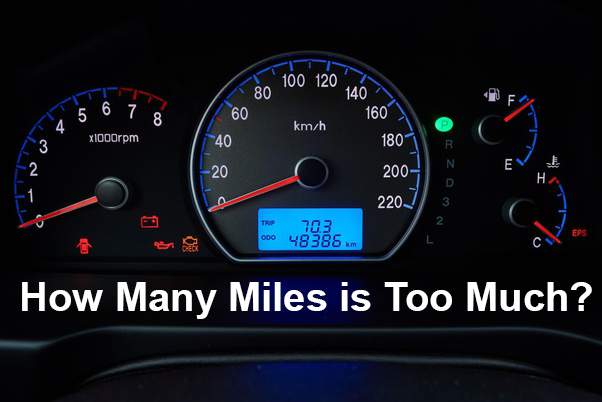
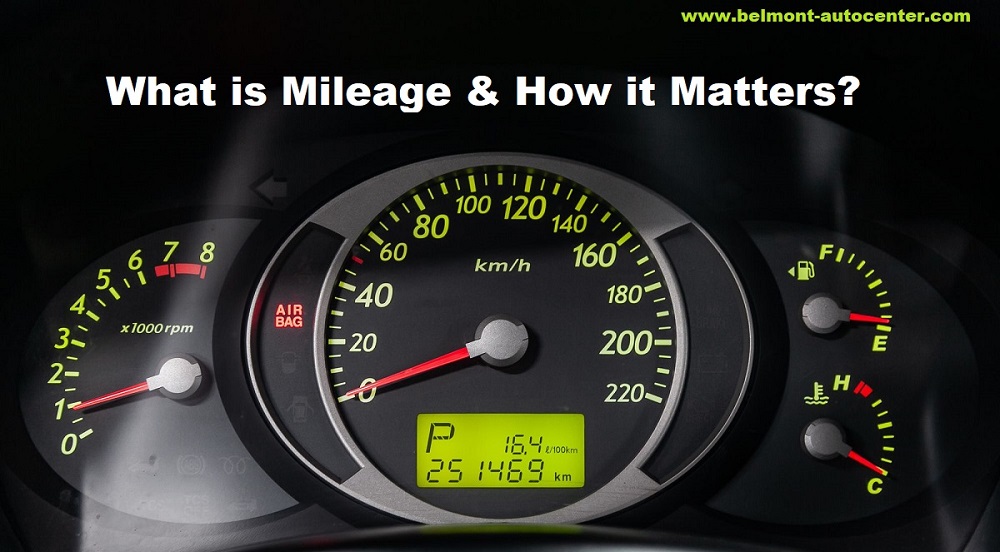
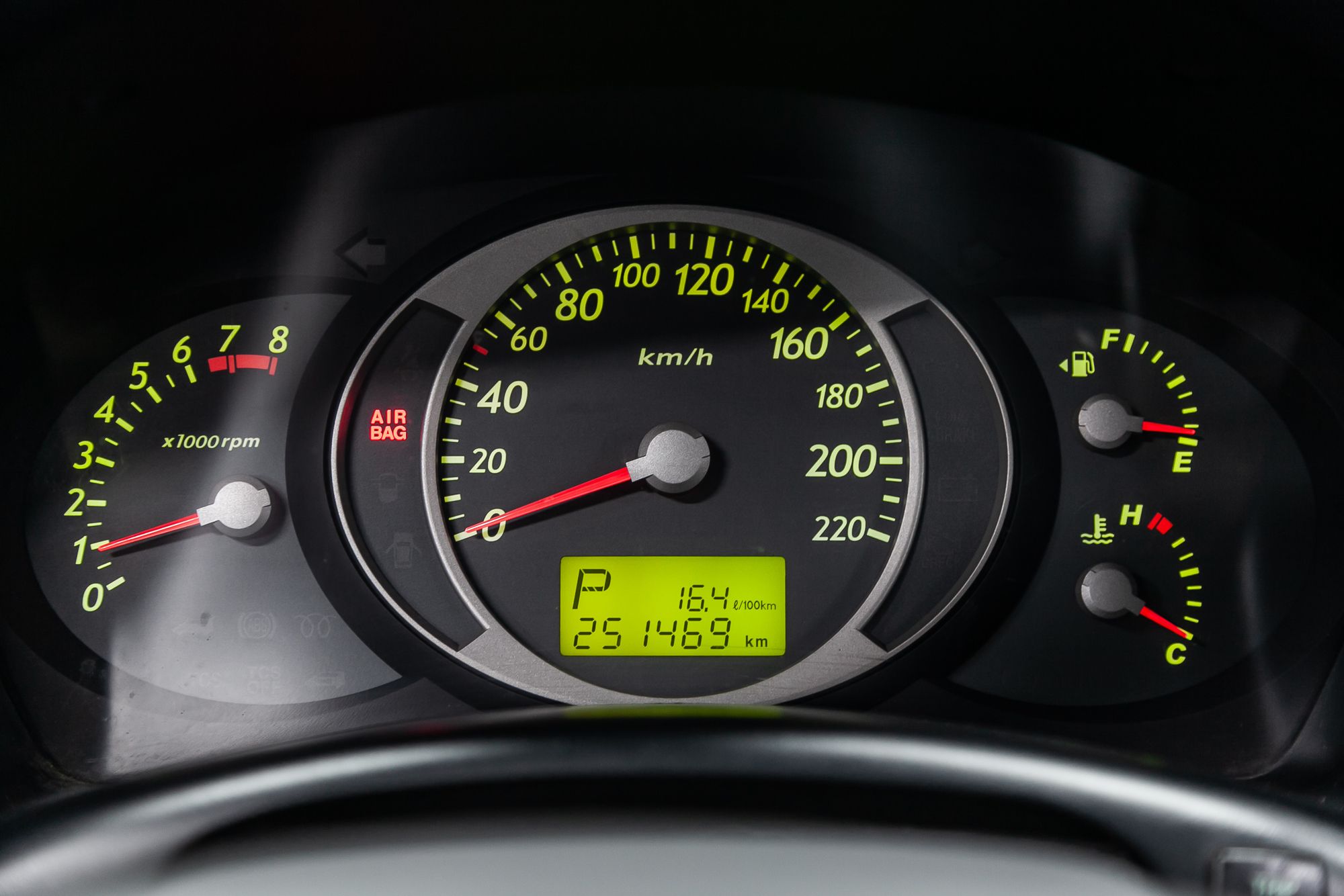
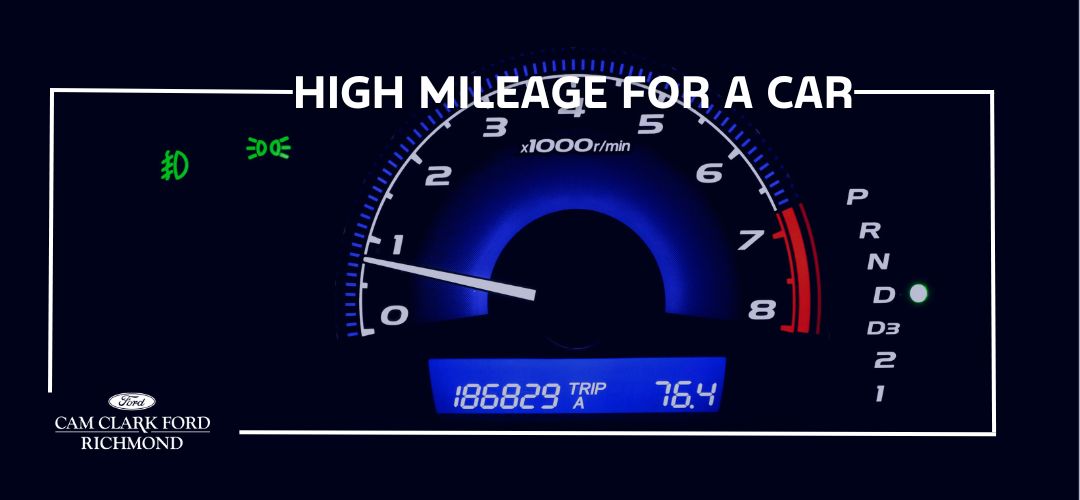
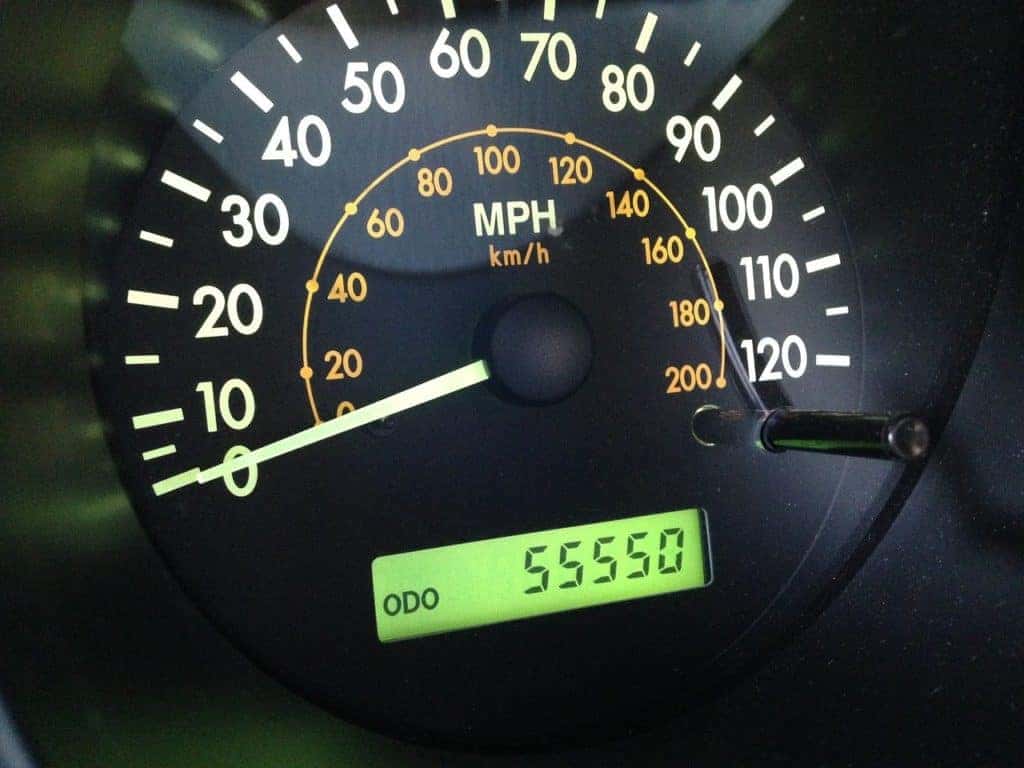
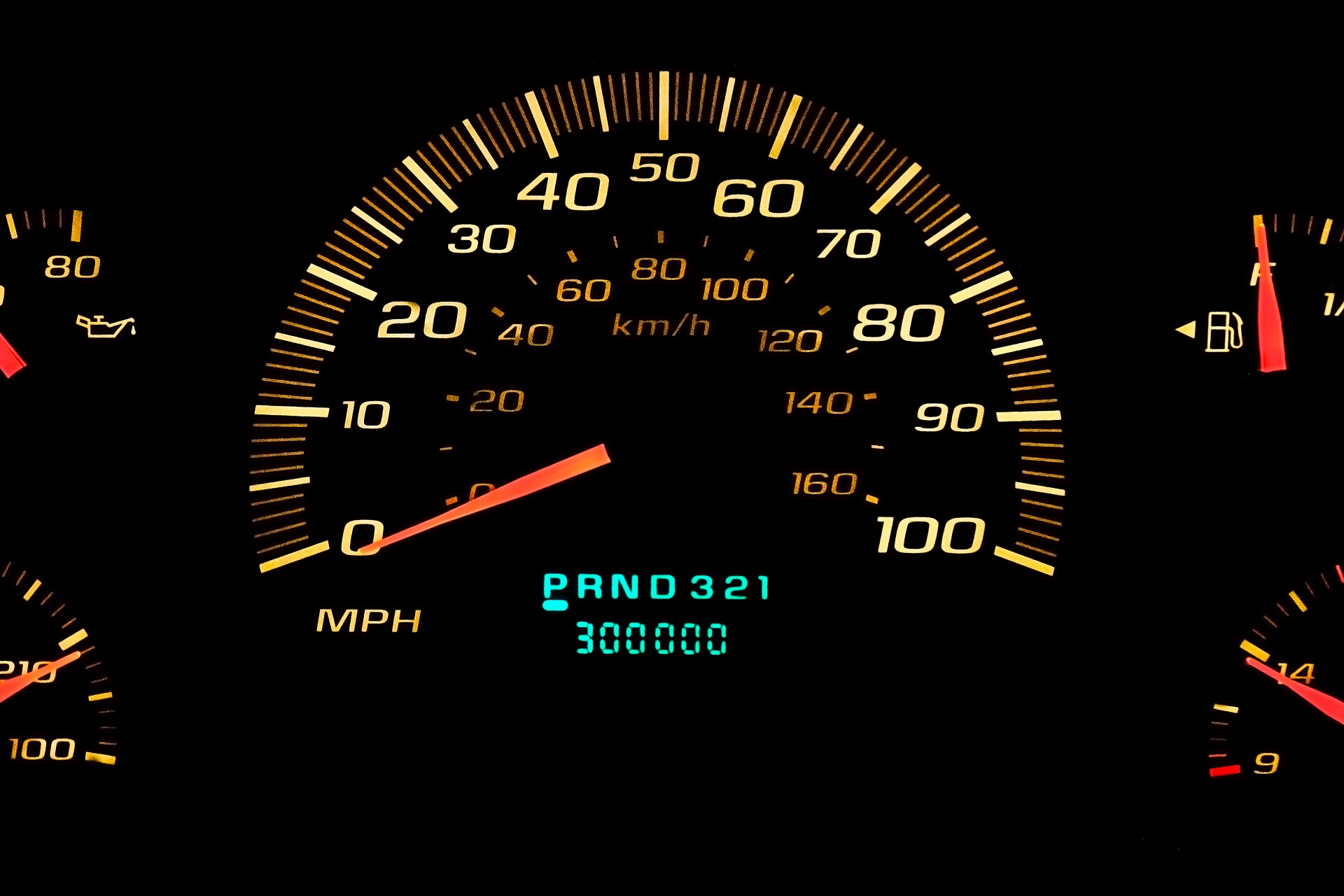
There is also another use of the word mileage. Some people use what is car mileage to mean the total miles on the odometer. That is the life miles the car has driven. Fuel mileage and odometer mileage are different, but both matter.
You may also see L/100 km on global sites. That is how many liters of fuel it takes to go 100 kilometers. It is the same idea as MPG but flipped. Lower L/100 km is better, while higher MPG is better.
Source: belmont-autocenter.com
How Car Mileage Is Measured
To answer what is car mileage in numbers, we look at two sources: lab tests and your own tests. In the US, the EPA rates new cars for city, highway, and combined MPG. The combined number is a mix of about 55% city and 45% highway. These tests help you compare cars under the same rules.
Real life is different. Your route, weather, load, and speed change each day. So it helps to measure your own car in a simple way.
Here is a simple full-tank method I use:
- Fill the tank and reset the trip meter.
- Drive as normal until you need gas again.
- Fill up, note gallons added, and note trip miles.
- Divide miles by gallons. That is your real MPG for that tank.
You can also use your car’s trip computer. It shows average MPG. I cross-check it with the full-tank method. In my experience, the trip readout is close, but the pump math is the final word.
Source: wrench.com
Units You Will See and How to Convert
You will see MPG in the US and L/100 km in many other places. They tell the same story in two ways. Higher MPG is good. Lower L/100 km is good.
A quick way to switch between them:
- To get MPG from L/100 km, use 235 divided by L/100 km.
- To get L/100 km from MPG, use 235 divided by MPG.
Do not stress the math. Most apps can convert. What matters for what is car mileage is to track the trend over time.
Source: camclarkfordrichmond.com
What Affects Your Mileage Day to Day
Many small things change fuel use. Here are the big ones I see often:
- Speed: Fast speeds raise drag a lot. Past about 60 mph, MPG can drop fast.
- Stops and starts: City traffic burns fuel when you brake and go again.
- Weather: Cold air, winter gas, and snow lower MPG. AC use also costs fuel.
- Load and roof stuff: Extra weight and roof racks add drag and cut MPG.
- Tires: Low pressure hurts MPG and grip. Wrong tires can add rolling drag.
- Route and hills: Climbing uses more fuel. Long downhills help a bit.
- Fuel quality: Bad or wrong octane can reduce power and MPG.
- Maintenance: Old plugs, clogged filters, weak O2 sensors, and dirty oil all hurt MPG.
- Driving style: Hard launches and late braking waste energy.
Based on EPA and energy lab data, steady speeds, proper tire pressure, and smooth driving give clear gains. In my cars, these steps have made a bigger change than any gadget.

Source: simivalleychryslerdodgejeepram.com
How to Improve Car Mileage Right Now
You can raise MPG without pain. Try these quick wins I use with clients:
- Check tire pressure monthly. Set to the door-jamb number when tires are cold.
- Lighten the car. Remove junk from the trunk and take off unused roof racks.
- Drive smooth. Leave space, coast early, and avoid hard throttle.
- Set cruise on flat highways. It keeps speed steady and saves fuel.
- Respect speed. Even a small drop in speed can pay back at the pump.
- Keep the engine healthy. On time oil, air filter, and spark plugs matter.
- Use the right fuel. Follow the owner’s manual on octane.
- Plan trips. Combine errands to cut cold starts, which burn more fuel.
- Use heat and AC with care. Use the fan first, then AC as needed.
- Update software. Many cars get tune updates that can help drivability and MPG.
From my own tests on a 200-mile loop, smooth driving and correct tire pressure gave a 6–10% gain. No special tools. Just good habits.

Source: hydstm.com
Gas, Hybrid, Diesel, and EV Mileage
A common twist on what is car mileage is how it works across power types. Gas and diesel use MPG. Hybrids also use MPG but can excel in the city. They harvest braking energy. Diesels do well on long highway drives due to high torque and lean burn.
Electric cars use MPGe and kWh per 100 miles. MPGe compares electric use to a gallon of gas in energy terms. For daily life, I like kWh per 100 miles. It pairs well with your power bill.
Cold weather affects EV range more than gas cars. Heating the cabin uses battery energy. Preheat while plugged in to help.
Source: cochrancars.com
City vs Highway Mileage
When friends ask what is car mileage in the city versus the highway, here is my short take. City driving has stops, idling, and low gears. Fuel use goes up. Highway driving is steady, so MPG is higher.
Still, very high speeds hurt highway MPG due to wind drag. I often find the sweet spot near the speed limit, with cruise control on flat ground. On hilly roads, I let speed vary a little to avoid big throttle spikes.
Source: lakeelsinorehonda.com
Mileage Tips When Buying a Used Car
Shoppers ask what is car mileage for this used SUV or sedan. They want the truth on both fuel use and odometer miles. Use this checklist to decide fast:
- Check the odometer against service records. Look for steady growth.
- Scan the fuel economy display on the trip computer for long-term MPG.
- Test drive on a loop with both city and highway. Reset a trip MPG and compare.
- Inspect tires, filters, and fluids. Poor care often shows up in low MPG.
- Watch for odometer fraud signs. Mismatched wear and recent cluster swaps are red flags.
High odometer miles are not always bad if the car was well kept. Low miles with poor care can be worse. Ask for records. Trust but verify.

Source: trevinosautomart.com
Myths vs Facts About Car Mileage
There are many myths on this topic. Let’s clear a few:
- Myth: Premium gas gives better MPG in all cars. Fact: Use the octane the manual calls for. Higher octane helps only engines designed for it.
- Myth: Warm up the car by idling for many minutes. Fact: Modern engines warm best by driving gently after 30–60 seconds.
- Myth: Manual cars always get better MPG. Fact: Many modern automatics beat manuals due to more gears and smart control.
- Myth: Opening windows is always better than AC. Fact: At low speeds, windows can help. At highway speeds, drag from open windows can be worse.
- Myth: A small car always has great MPG. Fact: Shape, tires, and tuning also matter. Some midsize hybrids beat tiny gas cars.
If you still wonder what is car mileage in your case, test your own route. Real roads tell the truth.
Troubleshooting Low Mileage
If MPG drops, do not panic. Use a simple plan to find the cause:
- Check tire pressure and tread. Low pressure is a common reason.
- Look for roof racks or cargo boxes added lately.
- Think about route and weather changes. Cold snaps and short trips lower MPG.
- Scan for a check engine light. Issues like O2 sensors or misfires hurt MPG.
- Review service dates. Old oil or clogged air filters raise fuel use.
If you cannot find it, a tech can scan live data. Fuel trims, engine temps, and O2 readings reveal a lot. I have fixed many “MPG mysteries” with basic maintenance and a gentle right foot.
Quick Research Snapshot
Reliable labs and agencies report the same core ideas. City and highway ratings are useful for comparison, but your results may vary with speed, weather, and load. Each 5 mph over typical highway speeds can cut MPG due to rising drag. Proper tire inflation and smooth driving provide measurable gains across many vehicles. EVs see larger range swings in cold weather than gas cars. These trends match what I see in daily testing and client logs.
If you ever ask yourself what is car mileage in a lab versus on your street, think of ratings as a baseline. Your habits do the rest.
Frequently Asked Questions of what is car mileage
What does car mileage mean in simple words?
It is how far your car goes for a given amount of fuel. In the US, we show it as miles per gallon, or MPG.
Is higher car mileage always better?
For fuel mileage, yes, higher MPG means you use less gas. But also check safety, space, comfort, and cost.
How do I measure my real car mileage at home?
Fill the tank, reset trip miles, drive, then fill up again. Divide miles by gallons added to get MPG.
Why is my winter mileage worse?
Cold engines, winter fuel blends, and tire drag reduce MPG. Short trips in cold weather hurt the most.
What is car mileage for electric vehicles?
EVs use MPGe and kWh per 100 miles. Think of it as how much energy they use to go a set distance.
Does premium gas improve mileage?
Only if your car needs it. If your manual says regular is fine, premium will not improve MPG.
What is car mileage on the highway vs city?
Highway MPG is usually higher due to steady speeds. City MPG is lower because of stops and starts.
Conclusion
You now know what is car mileage, how to measure it, and how to improve it. Small habits, like smooth driving and correct tire pressure, add up fast. Track your MPG for a few tanks, make one change at a time, and watch the trend move your way.
Ready to dive deeper? Try the full-tank method this week and share your results. Subscribe for more step-by-step guides, or leave a comment with your car, route, and best MPG tip.