

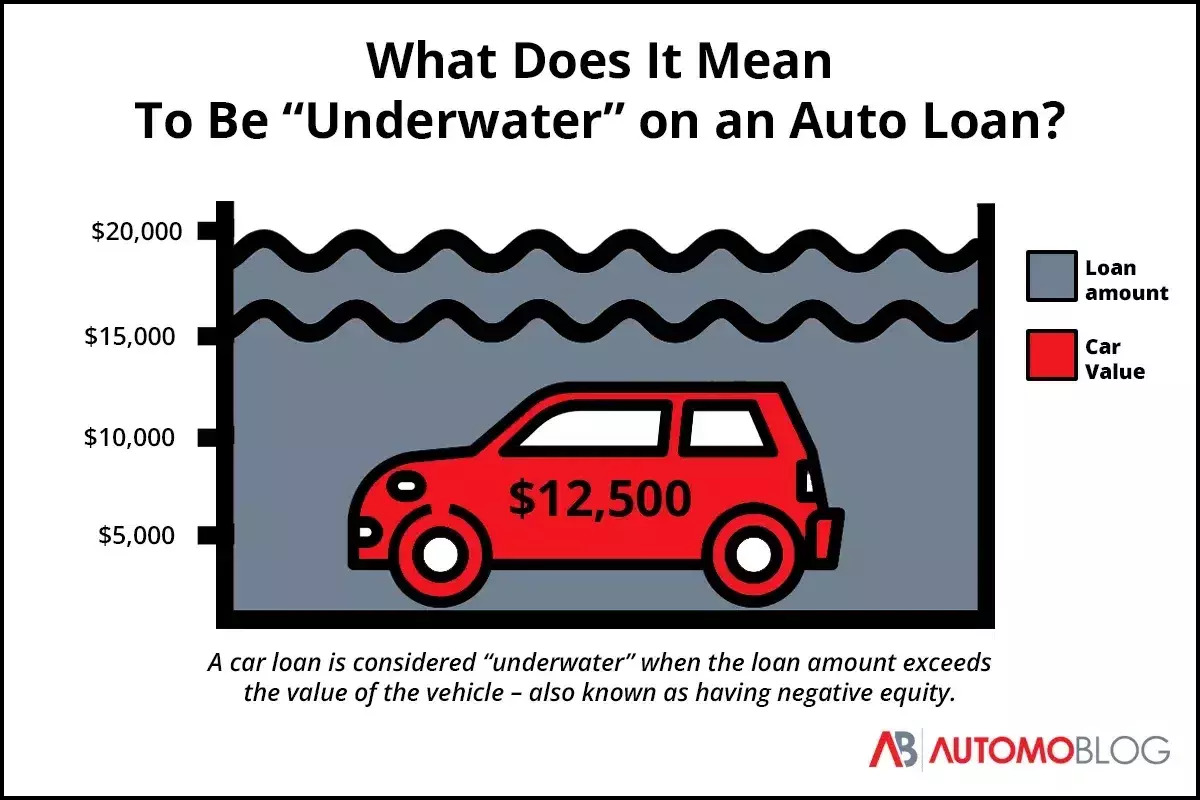
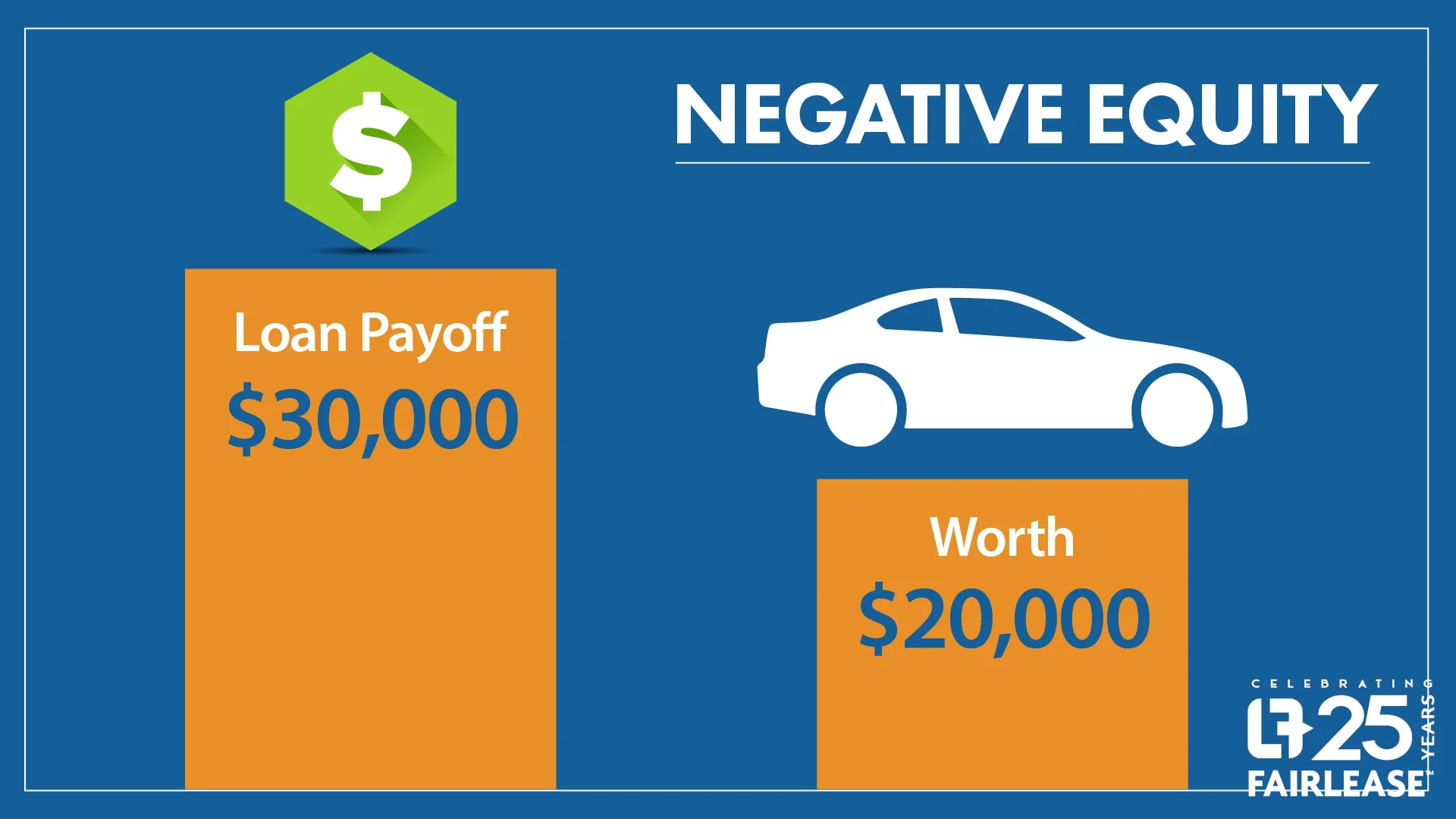
Negative equity on a car means you owe more than the vehicle is worth.
If you have wondered what is negative equity on a car, you are not alone. I help buyers and drivers understand this every week. This guide breaks it down in plain language and shows you real steps to fix it. You will learn how it happens, how to check it, and how to avoid it next time.
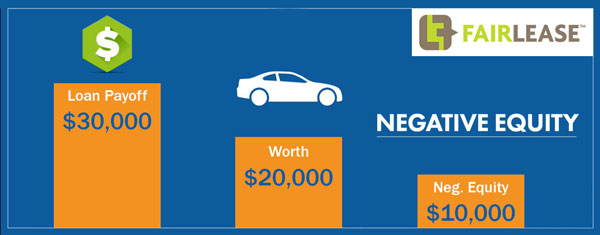
Source: fairlease.org
The basics: definition and why it matters
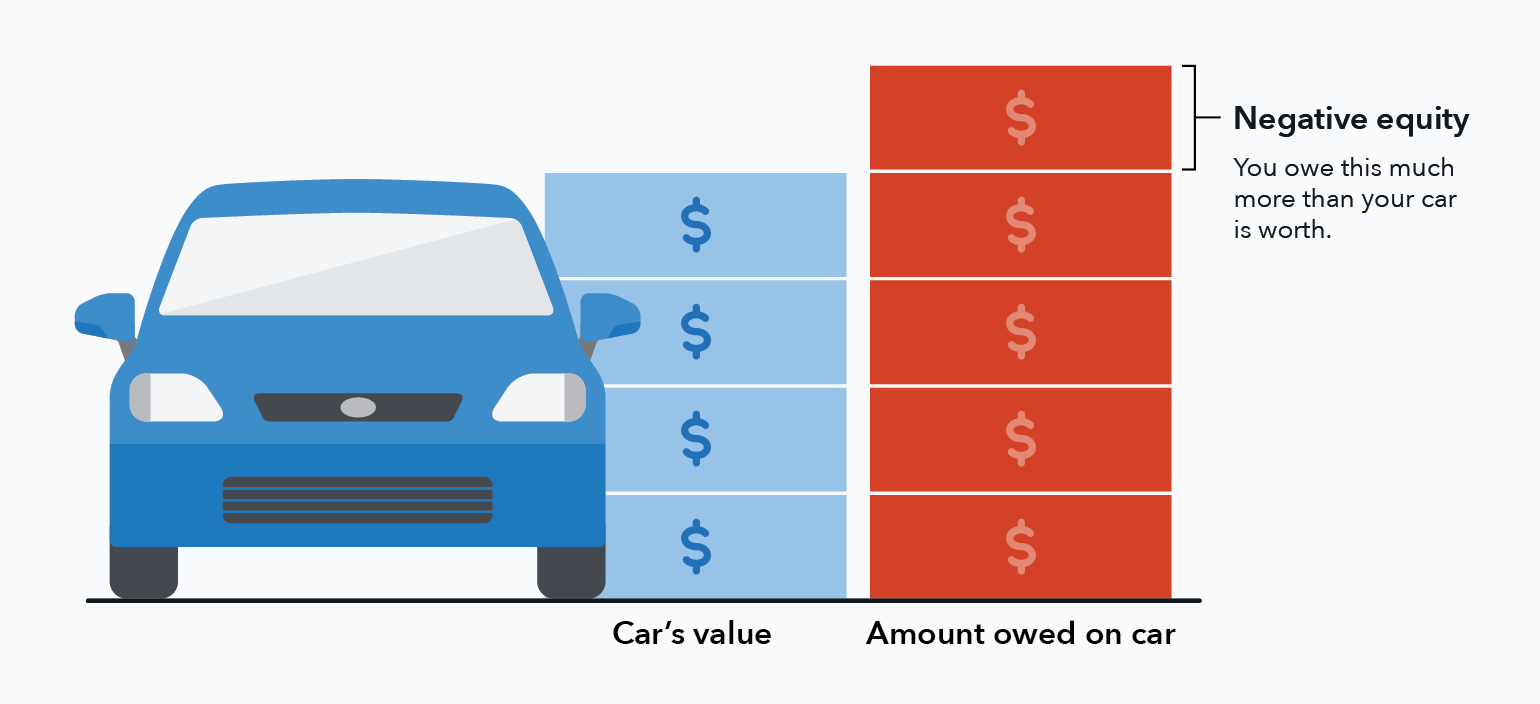
What is negative equity on a car? It is the gap between your loan balance and your car’s market value when the balance is higher. Think of it like being underwater on a house, but with wheels. Equity equals car value minus what you still owe. Negative equity happens when that number is below zero.
Why it matters is simple. It limits your choices. It can raise your costs when you sell, trade, or face a total loss claim. Lenders also use loan-to-value rules, so a high gap may lead to a higher rate or a declined refi.

Source: sigra.com
How negative equity happens
Many drivers learn what is negative equity on a car after a trade-in shock. It builds over time for a few main reasons.
- Fast drop in value. New cars often lose 20 to 30 percent in year one. By year five, many lose half their value.
- Small or no down payment. If you put little down, you start the loan upside down.
- Long loan terms. A 72 or 84 month loan lowers the payment, but it slows principal paydown.
- High interest rates. More interest early in the loan means slower equity gains.
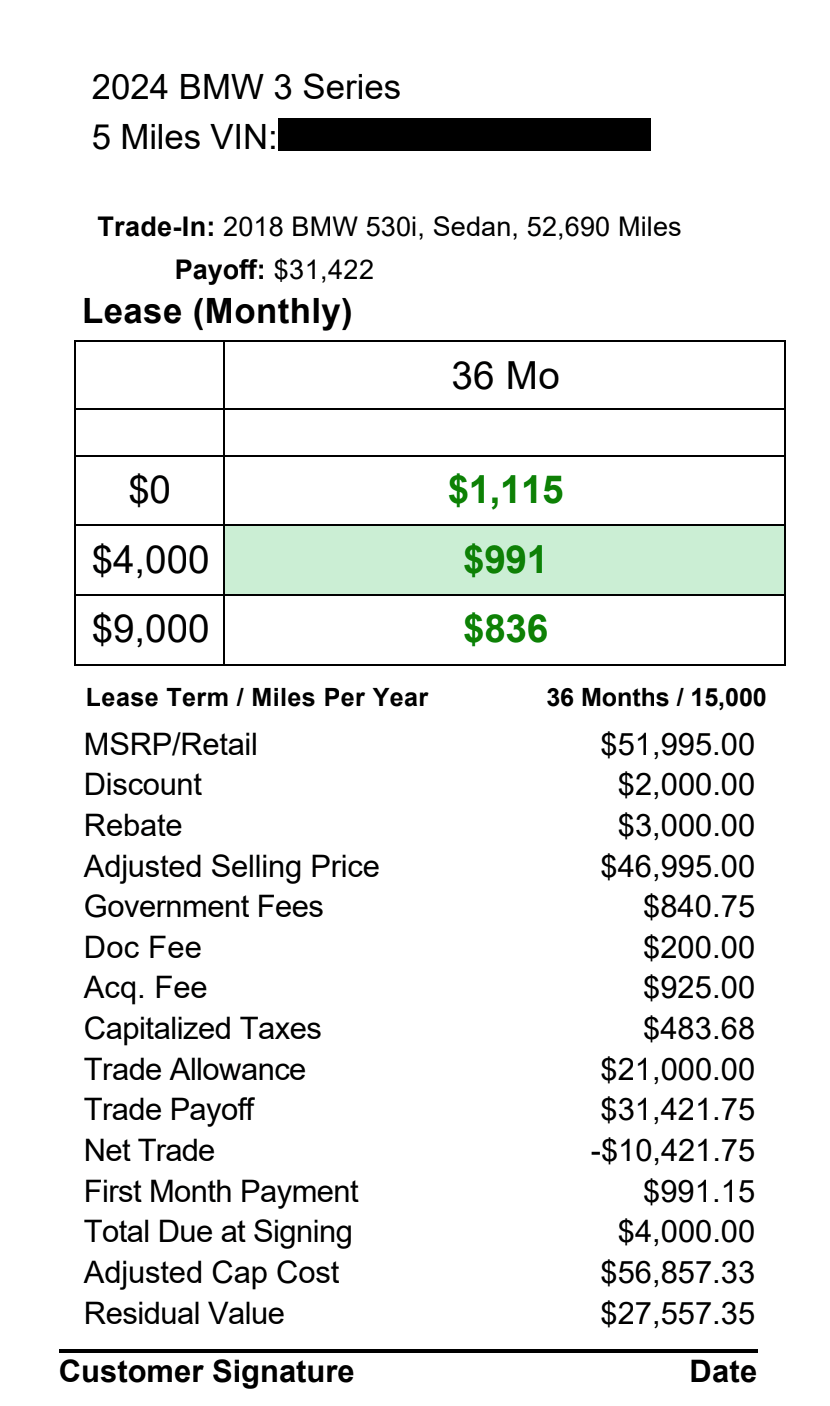
- Rolling over old debt. Adding old negative equity to a new loan digs a deeper hole.
From my desk, the most common cause is a long term with a tiny down payment. Add a model that drops fast, and you see why this topic matters so much.
Source: icecreamfactoryny.com
How to check your equity today
When people ask what is negative equity on a car, I start with a quick check. You can do this in ten minutes.
- Check payoff. Ask your lender for a 10-day payoff quote.
- Check value. Look up trade-in and private-party values for your trim, miles, and zip code.
- Use a fair range. Average the numbers from two or three trusted guides.
- Do the math. Equity equals estimated value minus payoff balance.
Example: Your payoff is 24,300 dollars. Your trade value is 20,900 dollars. Your equity is 20,900 minus 24,300, which is negative 3,400 dollars. That is what is negative equity on a car in real life.
Source: co.uk
Real stories and lessons from the showroom floor
I worked with a family who asked me, what is negative equity on a car, and if it would block a larger SUV. They had rolled 2,800 dollars from a past trade. They also chose an 84 month term. After two years, they still owed more than the car was worth.
We fixed it with a plan. They made two extra payments, trimmed costs, and sold the car private-party for more than a trade. They cut the gap by half in three months. Then they chose a used SUV with a lower drop in value and put 15 percent down. That mix turned the tide fast.

Source: donohoochevrolet.com
The hidden costs and risks
Understanding what is negative equity on a car helps you see the risks before they bite.
- Trade-in traps. A dealer can “hide” the gap in a new loan. The payment looks fine, but the hole grows.
- Higher borrowing cost. If loan-to-value is high, the lender may charge more. That raises total cost.
- Total loss shock. If your car is totaled or stolen, the insurer pays market value, not what you owe. That gap is on you unless you have gap coverage.
- Refi limits. Lenders cap loan-to-value. Deep negative equity may block a refinance when you need it most.
A note on gap coverage. It can help when the worst happens. It pays the gap between the insurance payout and your loan. It does not cover late fees, add-ons, or a new down payment.
Source: azfamily.com
Ways to fix it fast
Drivers often ask what is negative equity on a car and how to get out of it. Here are steps that work.
- Make extra principal payments. Even 50 to 100 dollars per month lowers the balance faster.
- Refinance to a lower rate and shorter term. Do this only if fees are low and savings are clear.
- Sell private party. You can often get 1,000 to 2,000 dollars more than a trade. That shrinks the gap.
- Delay the trade. Keep the car a few more months to let principal catch up to value.
- Put cash toward the gap. Pay the negative equity at the time of sale or trade to avoid rolling it over.
- Reduce optional add-ons. Skip extras that add to the loan and lose value fast.
I tell clients to run the math on three plans. Pay extra, refinance, or sell private-party. Pick the plan with the lowest total cost over the next 12 to 24 months. That is the practical side of what is negative equity on a car and how to solve it.
Source: fairlease.org
Smarter car buying to avoid it next time
Once you grasp what is negative equity on a car, you can plan to dodge it next time.
- Buy used or nearly new. A two to three year old car has already taken the steep drop.
- Put 10 to 20 percent down. More down means less risk.
- Keep the term short. Aim for 36 to 60 months, not longer.
- Pick models with strong resale. Some trims and brands hold value better.
- Say no to rolling over old debt. Start fresh. Do not carry the past into the future.
- Watch total cost, not just payment. A low payment can hide a high price.
If the payment is tight with a short loan, the car may be too pricey. Choose a lower trim or a certified used model. This simple choice can save you thousands and keep you out of a hole.

Source: myhoneycar.com
Frequently Asked Questions of what is negative equity on a car
What is negative equity on a car in one sentence?
It means your car loan balance is higher than the car’s market value. You owe more than the car is worth.
How do I know if I have it?
Get a 10-day payoff from your lender. Compare it to your car’s estimated value and see if the payoff is higher.
Can I trade in a car with negative equity?
Yes, but the gap will be paid in cash or rolled into the new loan. Rolling it over adds cost and risk.
Will gap insurance cover negative equity?
Gap covers the shortfall after a total loss, up to policy limits. It does not cover normal trades or sales.
Can I refinance if I have negative equity?
It depends on lender loan-to-value rules. If allowed, a lower rate and shorter term can still help.
Does my credit score affect negative equity?
Your credit does not change the car’s value, but it affects your rate. A higher rate slows principal paydown.
Is leasing safer if I worry about negative equity?
Leasing shifts resale risk to the lessor. You still must stay within miles and care for the car to avoid fees.
Conclusion
Now you know what is negative equity on a car, why it happens, and how to fix it. Use the steps here to check your numbers, choose a path, and protect your budget. A few smart moves can turn the balance in your favor.
Take action today. Get your payoff, find your value, and pick the lowest-cost plan. If this helped, share it with a friend, subscribe for more guides, or leave a question so I can help you one-on-one.