

Pull over safely, shut off A/C, let the engine cool, check coolant, and call for help.
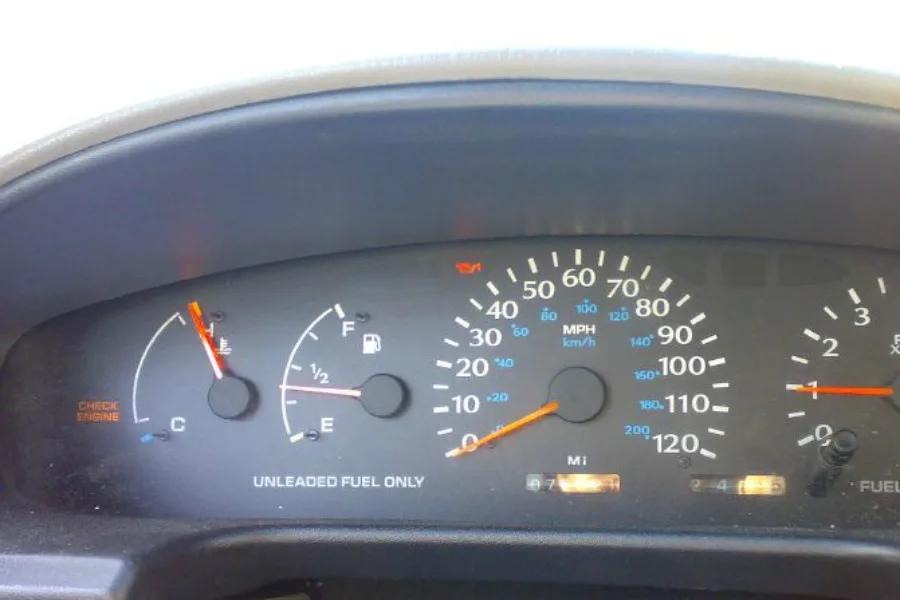
If you have ever watched the temp gauge spike or seen steam from the hood, you know the panic. I have helped drivers at the roadside and fixed my own ride more than once. This guide shows what to do if your car overheats, step by step, in plain words you can use today. You will learn fast actions, smart checks, simple fixes, and ways to prevent the next scare.

Immediate steps when your car overheats on the road
When the needle climbs or the hot light glows, you need calm, clear moves. Here is what to do if your car overheats without guesswork.
- Turn off A/C at once. Turn the cabin heater to max hot with the fan on high. This dumps heat from the engine.
- Shift to neutral or park at stops and give a light, steady rev for 10 to 15 seconds. This helps the water pump move coolant.
- If steam pours out or power drops, signal and pull over safe. Do not push it. Most owner’s manuals warn that even a short overheat can warp heads.
- Keep the engine running for 30 to 60 seconds after you stop with the heater on, then shut it off. Open windows. Step away from the hood.
These steps are the core of what to do if your car overheats in traffic. They buy you time and reduce damage risk.
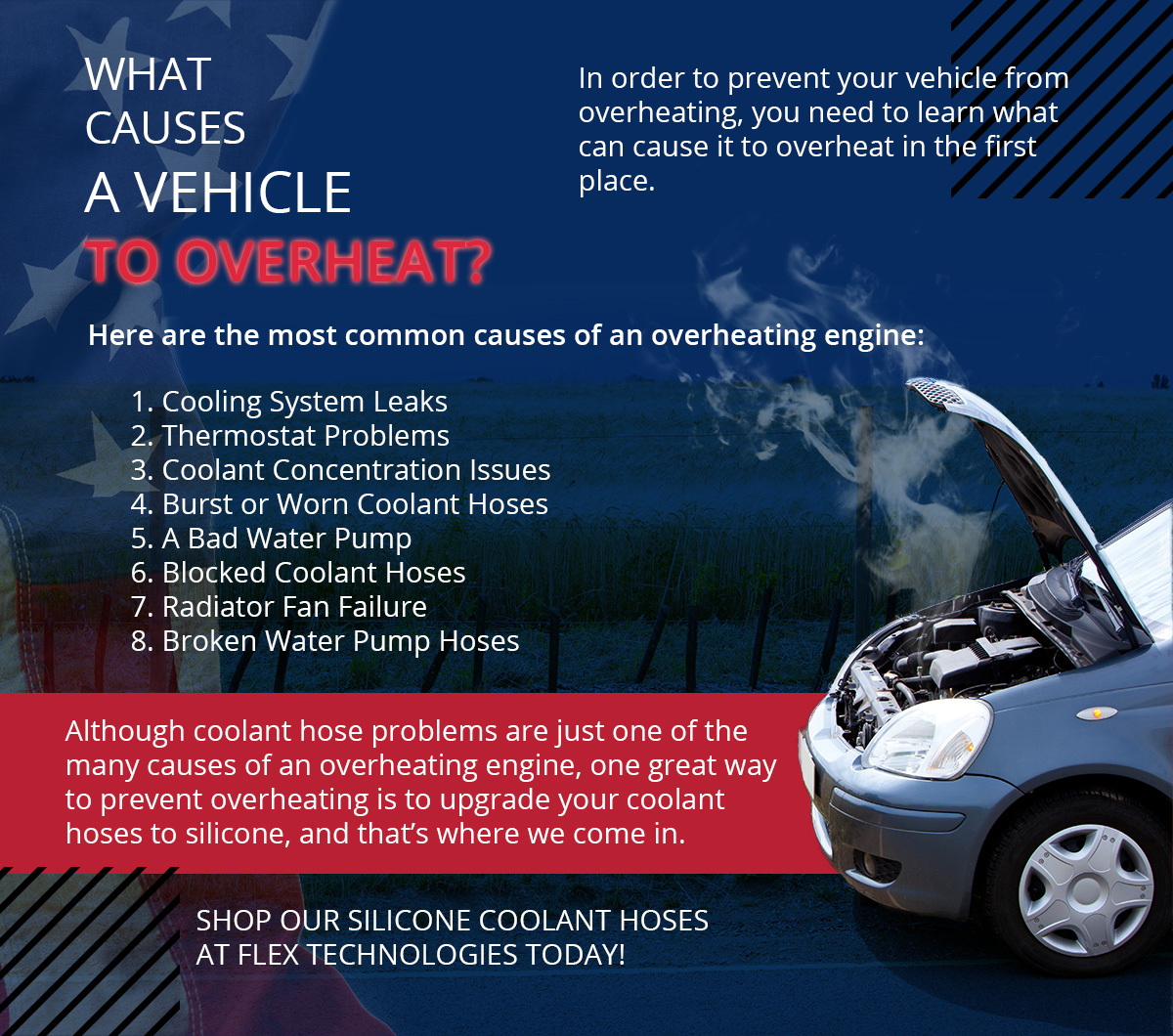
How to pull over and cool the engine safely
Hot parts can burn skin, and pressure can blast scalding coolant. Safety first.
- Park on level ground. Set the parking brake. Turn off the engine.
- Wait 15 to 30 minutes before you open the hood. Let temps drop.
- Do not open the radiator cap when hot. Pressure can shoot out like a geyser.
- After cool down, open the hood. Use gloves. Keep your face back.
This cool down routine is a key part of what to do if your car overheats. Patience here can save an engine.
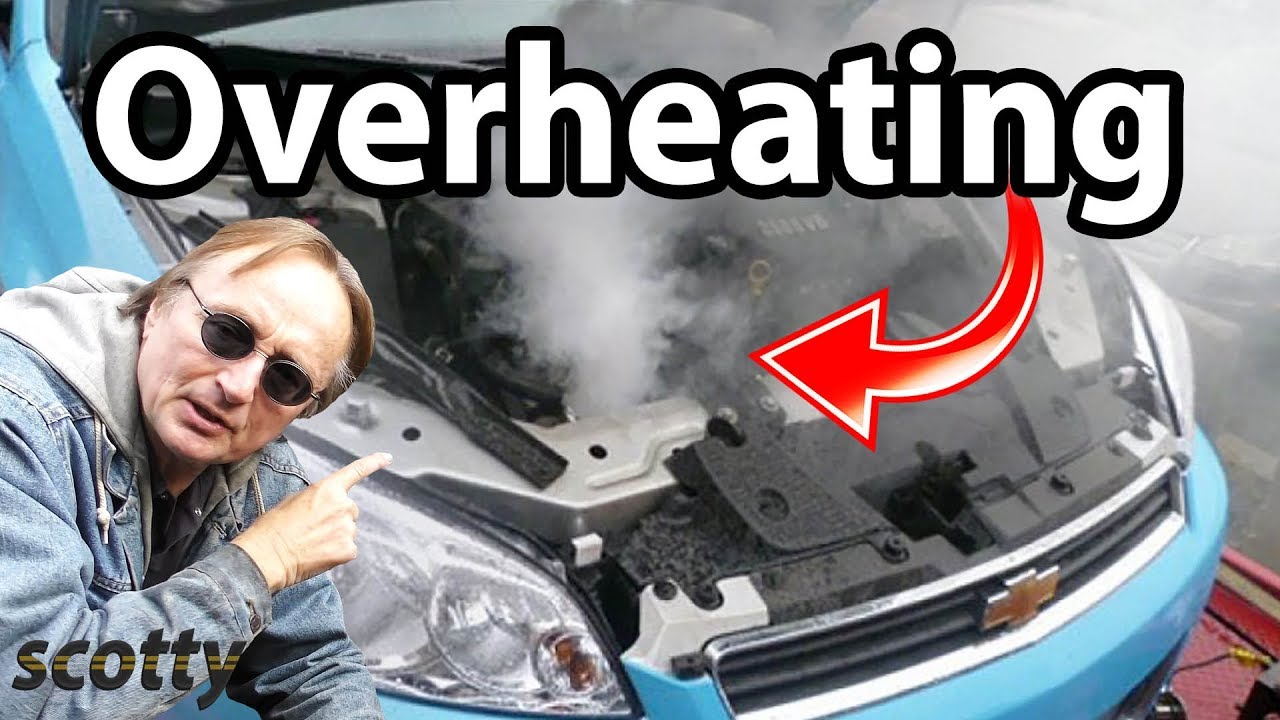
Why engines overheat and what to check
Overheats have a few common roots. Know them and you can spot clues fast.
- Low coolant. Look at the coolant reservoir markings. If low, you likely have a leak or past boil-off.
- Bad radiator cap. A weak cap cannot hold pressure. Coolant then boils at a lower temp.
- Stuck thermostat. If stuck closed, coolant does not flow. The top radiator hose stays cool at first.
- Dead radiator fan. Fans fail due to blown fuses, bad relays, or a worn motor. A/C on at idle should trigger fans on most cars.
- Clogged radiator or heater core. Old coolant can leave scale. Airflow can be blocked by leaves or plastic bags.
- Failing water pump. Look for a drip from the pump weep hole or wobble at the pulley.
- Slipping belt. A loose belt can stop the pump or alternator.
- Heavy load, steep grade, or high heat. Even a healthy car can struggle if coolant is old.
If you wonder what to do if your car overheats again after a top-up, check these items next. They cover most cases I see at the shop and on the road.
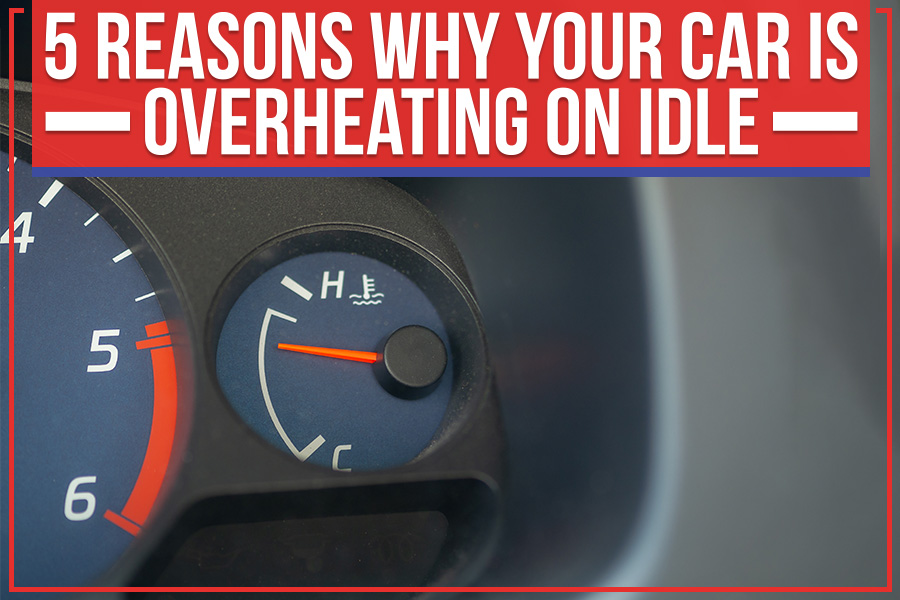
Roadside fixes you can try in a pinch
You are cool and safe. The hood is up. Now what to do if your car overheats and you need a short, careful drive.
- Top off with the right mix. Use a 50 or 60 percent premix if you have it. If not, add clean water as a short term fix. Do not mix long life coolants at random later.
- Bleed trapped air if your car has a bleed screw. Air pockets cause hot spots.
- Check the radiator fan. With the engine cool, start it and A/C on. If the fan does not spin, check the fuse and fan relay.
- Remove debris from the radiator face. Use a soft brush. Do not bend fins.
- Tighten loose hose clamps. Look for wet tracks, white crust, or green stains.
If the temp rises fast again, stop. Tow the car. What to do if your car overheats twice in one trip is simple. Do not risk the head gasket.
Preventive care to avoid the next overheat
Good habits beat emergency fixes. Build these into your routine.
- Change coolant on schedule. Most cars need fresh coolant every 2 to 5 years. Old fluid loses corrosion protection and raises risk of clogs.
- Inspect hoses and belts every oil change. Squeeze hoses. If they feel mushy or cracked, replace them.
- Test the cap and thermostat during service. Cheap parts save costly engines.
- Keep the radiator clean inside and out. A gentle hose on the fins works. Avoid high pressure close to the fins.
- Watch the gauge on long climbs. Downshift early. Keep revs moderate to help pump flow.
Anyone who asks what to do if your car overheats should also learn how to keep it from happening again. A little care goes a long way.

Drive, limp, or tow: how to choose
I once saved a family road trip by limping a mile to a safe lot. I also cooked a budget hatchback years ago by pushing it one more exit. Learn from both.
Choose to drive if:
- The gauge returns to normal after cool down.
- You topped coolant, the fan runs, and there are no new leaks.
- You can keep heaters on and speeds low to moderate.
Choose to tow if:
- Steam returns fast, or the gauge climbs at idle.
- You hear knocking, smell sweet coolant, or see milky oil.
- You see a big leak or a broken belt.
When unsure what to do if your car overheats after you restart, choose the tow. A head gasket costs far more than a flatbed.

Repair costs and timelines to expect
Money talk helps you plan and avoid surprise bills. These are broad ranges I see often. Your region and model will vary.
- Radiator cap or thermostat. Low cost parts and fast labor. Often done the same day.
- Electric fan or relay. Mid range cost. A few hours with parts in stock.
- Hoses and clamps. Low to mid range. One to two hours.
- Water pump. Mid to higher if driven by the timing belt. Half day to full day.
- Radiator replacement. Mid to higher. Half day to a day.
- Head gasket. High cost. Several days. Often not worth it on high mile cars.
If you plan what to do if your car overheats and needs repair, you can budget and pick the right shop with less stress.
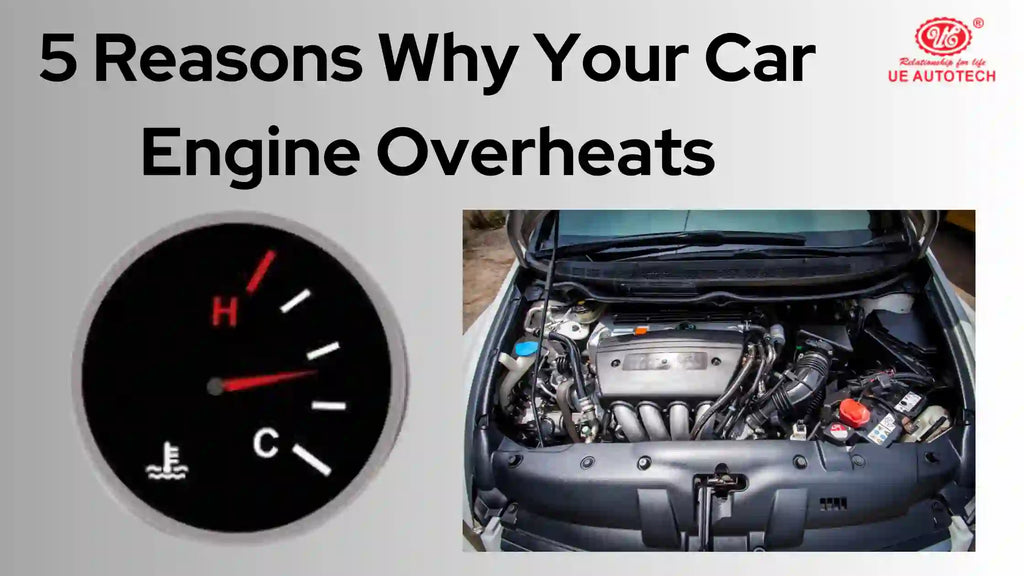
Build a simple heat emergency kit
A glove box kit can turn a crisis into a calm stop.
- One gallon of premix coolant that matches your car spec.
- One gallon of clean water for a short term top-up and for you to drink.
- Nitrile gloves, a shop rag, and safety glasses.
- A small flashlight and a basic tool set.
- Spare fuses and a cheap OBD2 reader.
This kit is a smart add-on for anyone asking what to do if your car overheats on a long trip. It is low cost peace of mind.
Frequently Asked Questions of what to do if your car overheats
Can I pour water into the radiator if coolant is low?
Yes, in a pinch on a cool engine. Use only clean water and switch back to the correct coolant mix as soon as you can.
Should I turn on the heater when my engine runs hot?
Yes. The heater core acts like a small radiator and can drop engine temps. It helps you limp to a safe stop.
How long should I wait before opening the radiator cap?
Wait at least 15 to 30 minutes. If the upper hose is still too hot to hold, wait longer to avoid burns.
What signs point to a blown head gasket after an overheat?
Look for white smoke, sweet exhaust smell, milky oil, or bubbling in the reservoir. Rapid overheating after a cold start is another red flag.
Will low oil make my car overheat?
Low oil raises friction and heat. It will not replace coolant, but it can make an overheat worse and damage bearings.
Can an EV or hybrid overheat?
Yes, but causes differ. Battery and inverter cooling systems can overheat, and hybrids still have engine cooling systems that need the same care.
Conclusion
Overheating is scary, but you can handle it with calm steps and simple checks. Pull over safe, cool the engine, verify coolant, and decide whether to drive or tow. Learn the common causes, keep a small kit, and stay ahead with routine care.
Treat this guide like a roadmap for what to do if your car overheats. Use it today, teach it to a friend, and add the kit this week. Want more practical car care tips like this? Subscribe, share your story, or drop your questions in the comments.
3 thoughts on “What To Do If Your Car Overheats: Fast Fixes & Safety”