

A tie rod connects your steering rack to the wheels for precise control.
If you have ever wondered what is a tie rod on a car, you are in the right place. I work with steering parts every day, and I have seen what happens when they wear out. This guide breaks it all down in plain words. You will learn how tie rods work, why they fail, and how to spot trouble before it gets costly or unsafe.

Source: hometowneautorepairandtireofwoodbridge.com
What a tie rod is and why it matters
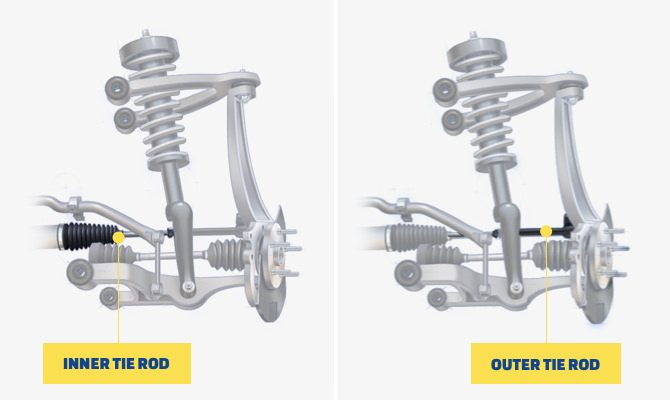
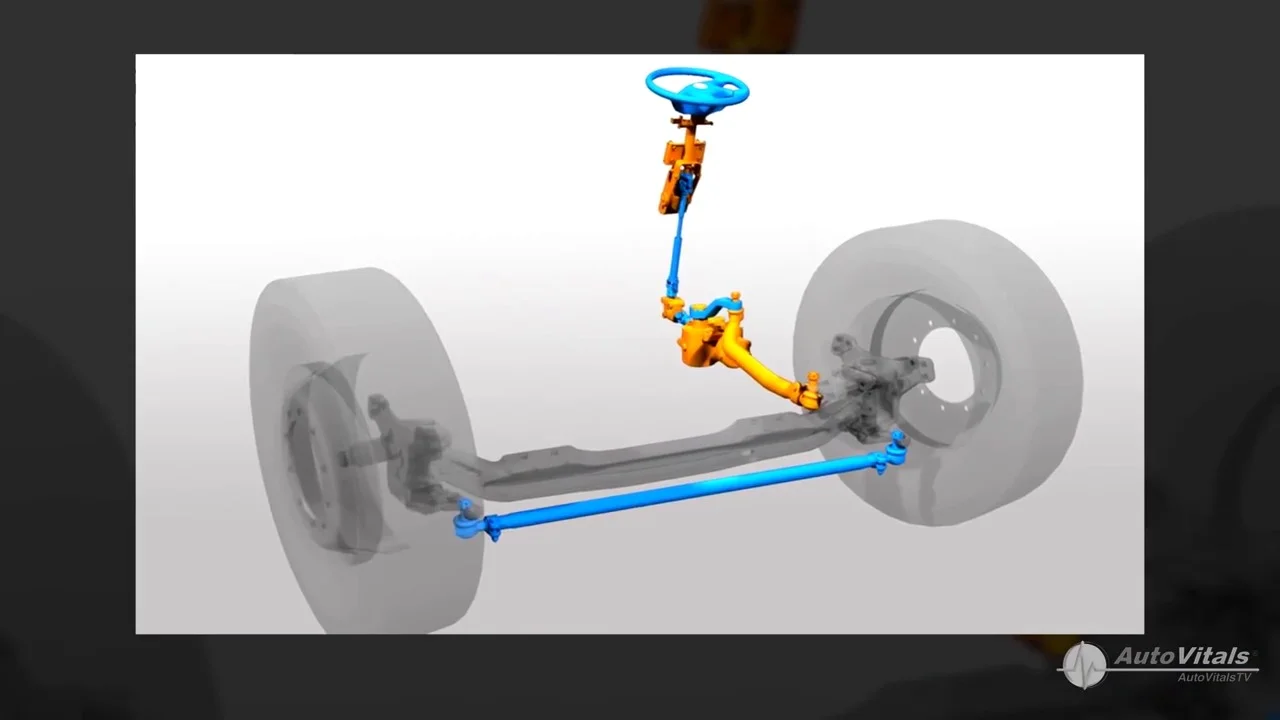
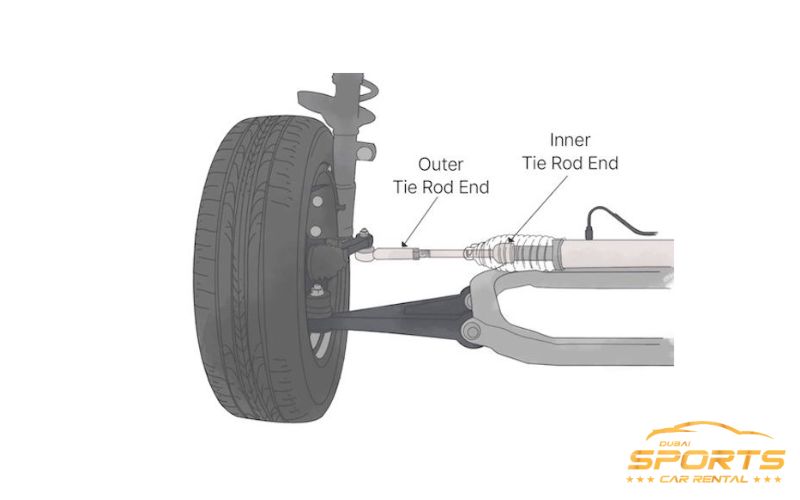
A tie rod is part of your steering. It links the steering rack or center link to the wheel hub. When you turn the wheel, the tie rod pushes or pulls the wheel to aim it.
Think of it like your forearm guiding your hand. The steering wheel is your shoulder. The hub is your hand. The tie rod is the firm link in between.
People often ask what is a tie rod on a car when their wheel feels loose. The short answer is simple. It is a small part with a big job. If it fails, you can lose steering control.
From my shop days, I saw this often. A driver came in with a pull to the right and a clunk over bumps. The outer tie rod end had play. A quick fix and a fresh alignment made the car track straight again. That is the power of this small part.
Source: moogparts.com
How a tie rod works with the steering system
Here is the flow of force during a turn:
- You turn the steering wheel. This moves the steering rack.
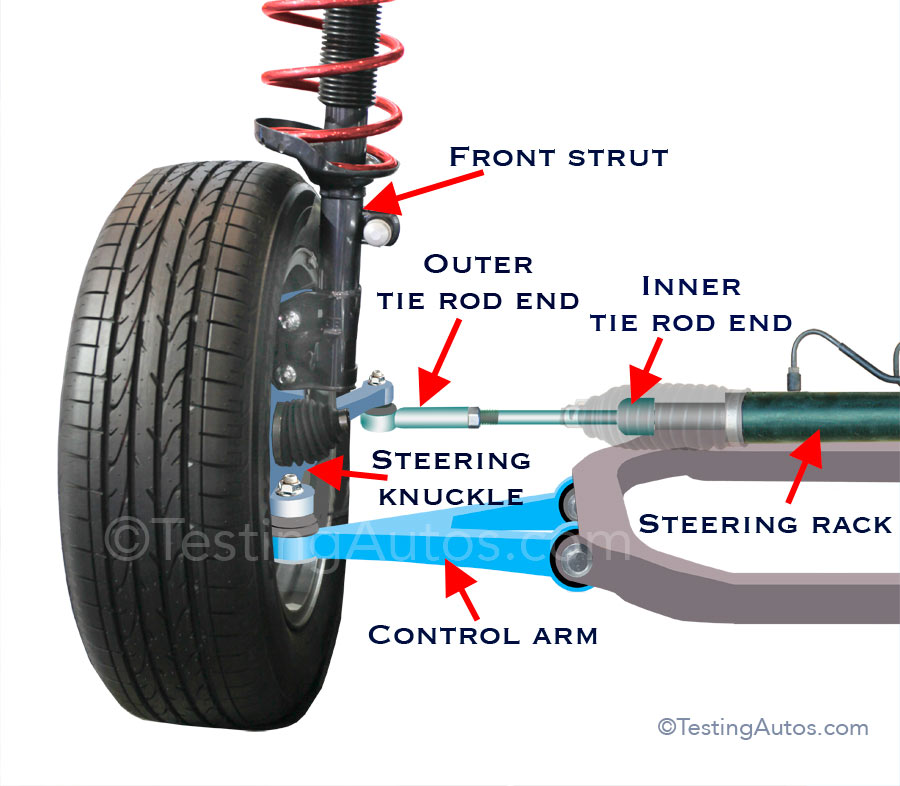
- The inner tie rod threads into or pivots from the rack.
- The outer tie rod ends at the steering knuckle with a ball joint.
- The tie rod changes the rack’s straight motion into wheel angle.
This keeps toe angle stable. Toe is the inward or outward aim of the wheels. Good toe keeps the tire flat on the road for grip and long life.
As you learn what is a tie rod on a car, note one key point. Any play in the tie rod changes toe on the move. That leads to shake, drift, or tire wear.
Inner vs outer tie rods and related parts
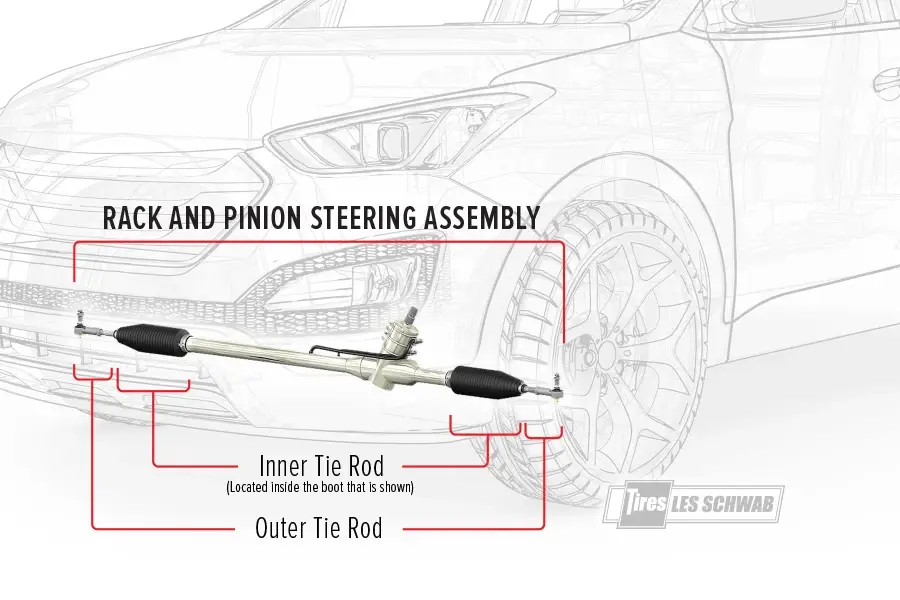
Most modern cars use rack and pinion steering. In that setup you will see:
- Inner tie rod: Threads into the rack. It hides under a rubber boot. It pivots on a ball-and-socket joint.
- Outer tie rod end: Threads onto the inner tie rod. It has a stud and a ball joint that fits the steering knuckle.
Related parts that affect tie rod health:
- Rack boots: Keep water and grit out. Torn boots speed up wear.
- Jam nut or adjuster sleeve: Locks toe after alignment.
- Steering knuckle: Where the outer end seats.
What is a tie rod on a car if not both parts working together? Both inner and outer must be solid. If either is loose, steering suffers.

Source: amarineblog.com
Signs of a bad tie rod
Here are common clues I see in the bay:
- Steering wheel shake at speed, worse on turns.
- Uneven tire wear, often feathering on the edges.
- Clunk or knock over bumps or while parking.
- Steering feels loose or vague on center.
- Car pulls or will not hold an alignment.
Many drivers ask what is a tie rod on a car only after a warning sign. Do not wait. Early checks save money and keep you safe.
Source: schilo.fr
Common causes and risks of failure
Why tie rods fail:
- Age and miles. Grease dries. Joints loosen.
- Torn boots. Grit gets in and grinds the joint.
- Harsh roads. Potholes and curbs hit hard.
- Lack of alignment. Steering fights the road. Wear speeds up.
- Cheap parts. Low grade joints do not last.
Risks of ignoring the problem:
- Sudden loss of precise steering. In rare cases, loss of control.
- Rapid tire wear and heat build up.
- Brake pull and longer stops due to poor tire contact.
- More worn parts up the chain, like the rack or bushings.
I once saw an inner joint so worn the wheel changed toe by degrees with each bump. The driver asked me what is a tie rod on a car right there in the lot. A fresh inner and outer set and a careful alignment brought the car back to calm.
Source: pspdiesel.com
How to check a tie rod at home
A simple driveway test can reveal a lot. Use care and chock the wheels.
- Park on a flat spot. Set the brake.
- With the car on the ground, ask a helper to rock the steering wheel left and right a little.
- Watch the tie rod and the wheel. Look for delay, extra motion, or a clunk.
- Jack up the front. Grab the tire at 3 and 9 o’clock.
- Push and pull in and out. Feel for play or a click. Watch the outer tie rod joint.
- If you feel play but cannot see it outside, it may be the inner joint under the boot.
If you are new to this and wonder what is a tie rod on a car, this test helps you see it in action. Any play you can feel is too much.
Source: lesschwab.com
Replacement, alignment, and torque basics
Key points for correct service:
- Replace the worn joint. Many techs replace both sides in pairs for even feel.
- Mark the threads of the outer end to keep toe close. This helps you reach the shop safely.
- Always get a four wheel alignment after any tie rod work. Toe must be set with care.
- Use new cotter pins and the correct torque on the stud nut.
- Check boots and clamps. Replace torn boots at once.
If you still ask what is a tie rod on a car after reading this far, think of it as a precision link. It needs the right torque, the right angle, and the right lock to do its job.
From experience, the best results come with name brand parts and exact torque. I keep a small paint pen to mark the jam nut after final set. It makes future checks easy.
Source: dubaisportcarrentals.ae
Cost, time, and when to DIY
Typical shop ranges in my region:
- Outer tie rod end: Part cost is modest. Labor is quick.
- Inner tie rod: Part cost is higher. Labor takes more time due to the boot and special tool.
- Alignment: This is not optional. Budget for it.
DIY tips:
- You need a torque wrench, a tie rod puller, and sometimes an inner tie rod tool.
- Soak threads with a penetrant before you start.
- Count turns when you remove the outer end. Match that count when you install the new part. Then drive straight to an alignment bay.
If your main question is what is a tie rod on a car, and you plan to DIY, respect its role. A small mistake can cause big drift or tire wear.

Source: hometowneautorepairandtireofwoodbridge.com
Maintenance tips to make tie rods last
A little care goes a long way:
- Inspect boots at each oil change.
- Wash winter salt off the underbody.
- Avoid hard curb hits and potholes when you can.
- Rotate tires and keep them at the right pressure.
- Ask for a quick steering check during alignment or tire service.
People still ask what is a tie rod on a car when they buy used. During a test drive, listen for knocks. Check edge wear on the front tires. Those are simple tells.
Safety myths and facts
Let’s clear a few things up:
- Myth: A small tie rod click is fine. Fact: Any play grows fast and harms tires.
- Myth: You can skip alignment after tie rod work. Fact: That ruins tires and handling.
- Myth: All tie rods are the same. Fact: Material, heat treat, and joint seal design matter.
One more tip. If the steering wheel is off center after a bump, get a quick check. Drivers who ask what is a tie rod on a car often just felt the first hint of damage. Early care keeps you safe.
Frequently Asked Questions of what is a tie rod on a car
What is a tie rod on a car, in simple terms?
It is the steering link between the rack and the wheel hub. It turns your steering input into wheel angle.
How long do tie rods usually last?
Many last 75,000 to 150,000 miles, but roads and weather matter. Check them at each alignment or tire change.
Can I drive with a bad tie rod?
It is not safe. Play can grow fast and you could lose control or ruin tires.
Do I need an alignment after replacing a tie rod?
Yes, always. Toe changes even if you count threads, so set it on an alignment rack.
What are the signs of a failing tie rod?
Clunks, loose steering, uneven tire wear, and shake at speed are common. A pull or poor tracking is also a clue.
Is replacing inner tie rods harder than outer ones?
Yes, usually. You need a special tool and must remove the rack boot with care.
How much does a tie rod replacement cost?
Prices vary by car and region. Expect to pay for parts, labor, and a required alignment.
Conclusion
A tie rod may be small, but it guides every mile you drive. Now you know what is a tie rod on a car, how it works, and how to spot trouble fast. Keep an eye on boots, listen for knocks, and never skip the alignment after repairs.
Take the next step. Check your front tires today. If you feel play, book an inspection. Want more helpful car care guides? Subscribe, share this with a friend, or leave a question in the comments.