

A car fender is the panel that frames and shields the wheel area.
If you have ever wondered what is a fender in a car, you are in the right place. I work on cars every week, and I have seen how a simple panel can protect, style, and even shape how a car drives. In this guide, I break down what a fender is, why it matters, how it gets damaged, and how to care for it. Read on to learn what is a fender in a car, backed by hands-on tips and clear facts.

Source: youtube.com
What Is a Fender in a Car?
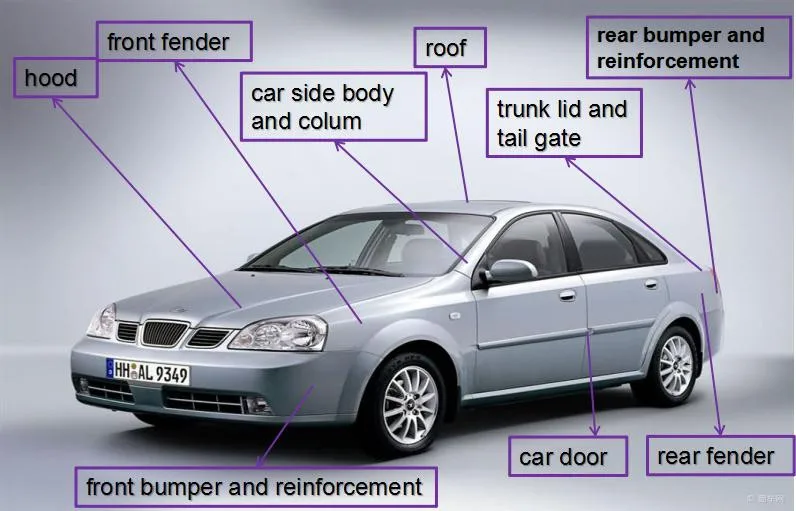
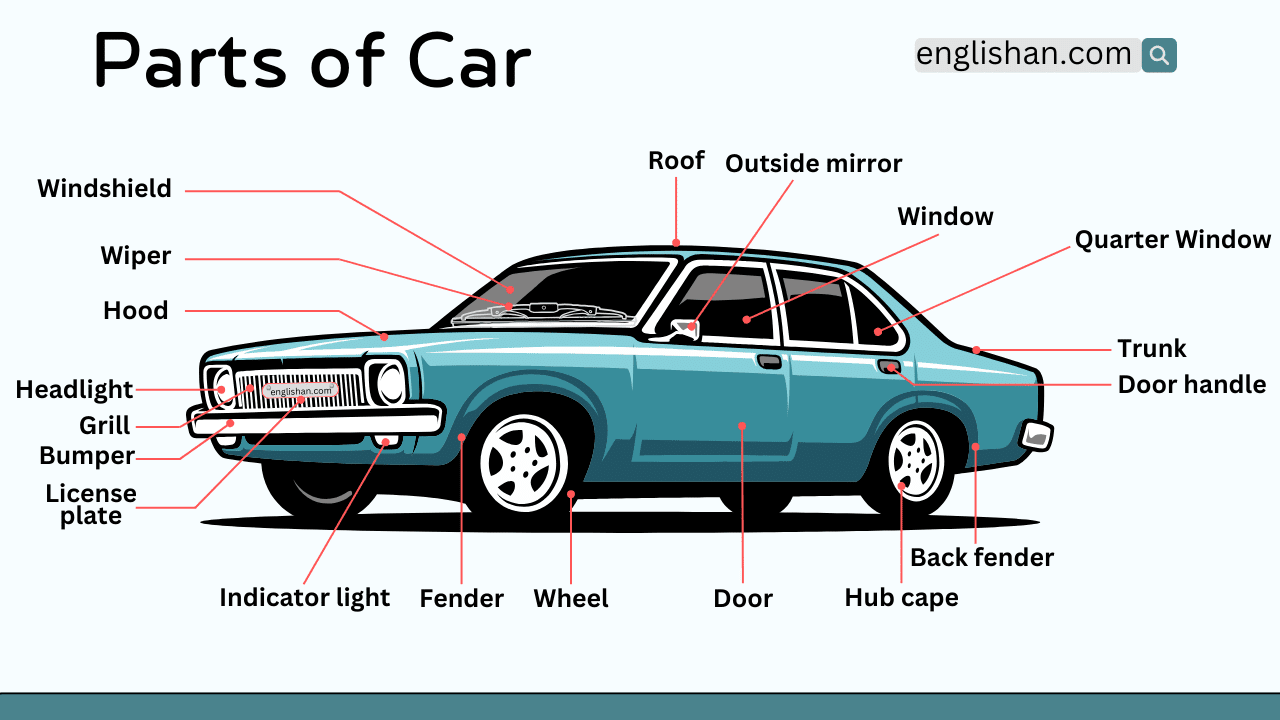
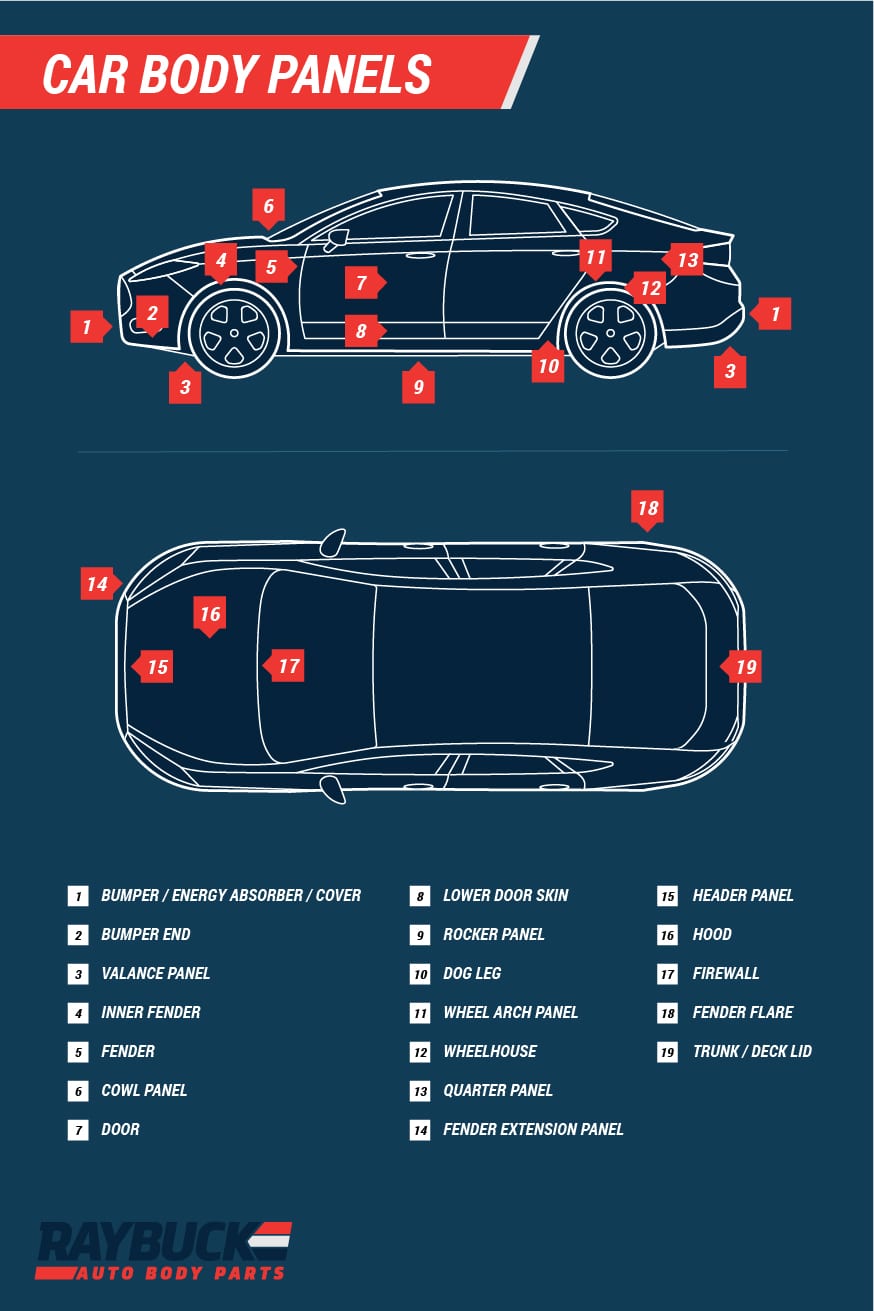
When people ask what is a fender in a car, they mean the body panel that sits over the wheels. It blocks mud, rocks, and water from hitting the car and other drivers. On most cars, the front panels over the wheels are called fenders. The rear panels are often called quarter panels.
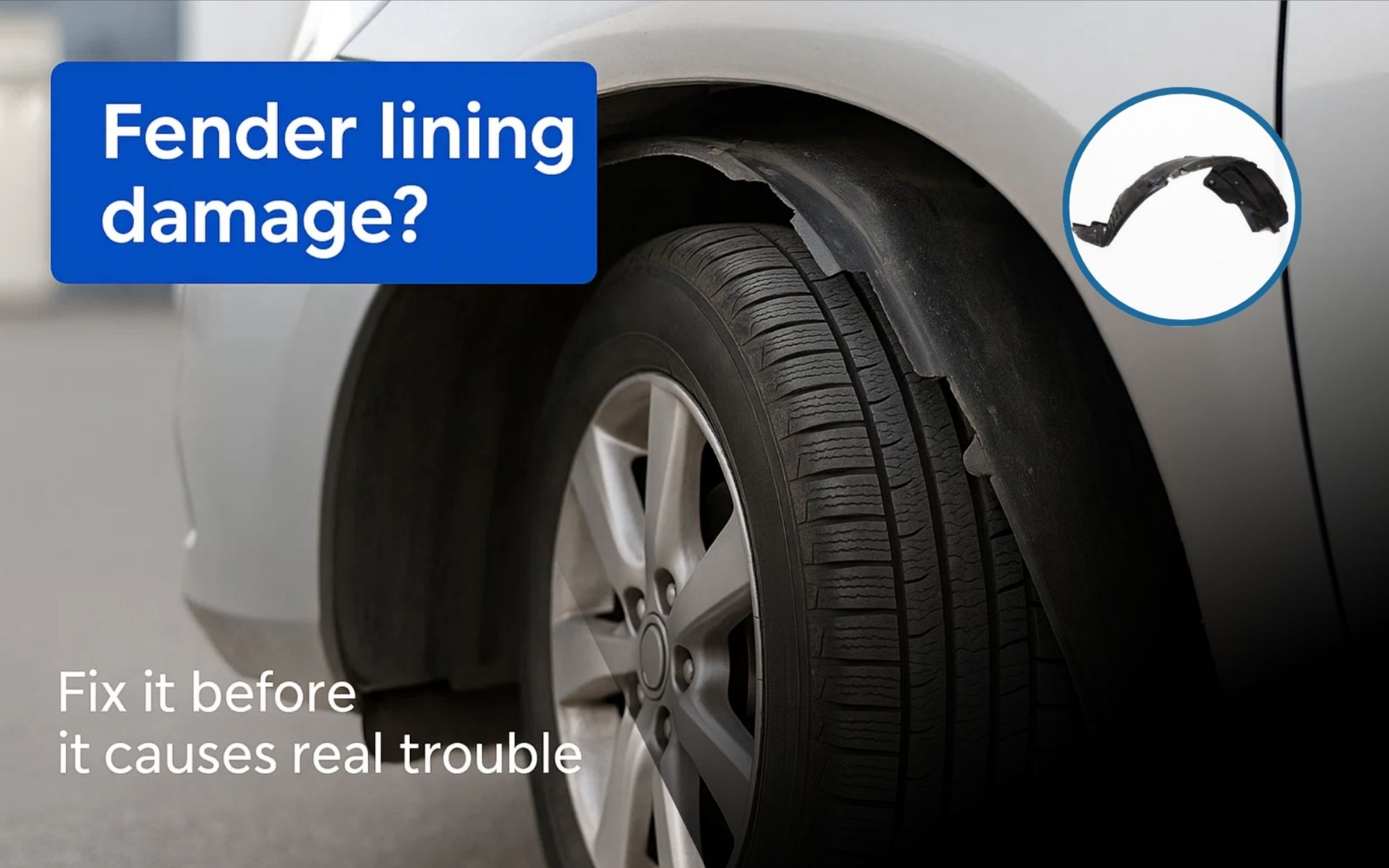
In simple terms, the fender is a shield that shapes the wheel opening. It blends with the hood, the bumper, and the door line. It also holds the inner fender liner, which guards wires and engine parts from road spray.
Key points to remember:
- It covers the wheel opening and reduces debris spray.
- It ties into the car’s body lines for style and airflow.
- It supports trim, side markers, and sometimes sensors.
If you need a quick rule, what is a fender in a car? It is the outer shell near the wheel that protects and adds shape.
Source: autozilla.co
Fender vs. Bumper: Know the Difference
People mix up fenders and bumpers all the time. A bumper is the bar at the front or back that absorbs hits. A fender is the side panel that frames the wheel.
Here is how to tell them apart:
- Location: Fenders sit above and behind the wheel. Bumpers sit at the ends.
- Job: Fenders block debris and shape airflow. Bumpers handle light crashes.
- Look: Fenders are large curved panels. Bumpers are single long covers.
When you search what is a fender in a car, remember that it is not the bumper. They do different jobs and use different parts.

Source: sigra.com
Why Fenders Matter: Safety, Cleanliness, and Law
Fenders keep grit and stones from flying up. That helps you, your paint, and the car behind you. In heavy rain, they also cut spray and help you see.
There is more. The fender shape guides air around the wheel. This helps reduce drag and wind noise. Some states also have rules that tires must be covered by fenders or mud flaps. That is why trucks add fender flares or guards.
From my time in the shop, I saw one case where a missing liner let road salt pack in a seam. The fender rusted in one winter. A small shield could have saved it. So when someone asks what is a fender in a car, I say it is both a guard and a design tool.

Source: sigra.com
Fender Materials and How They Perform
Not all fenders are the same. The material affects weight, rust, and repair.
Common types:
- Steel fenders: Strong and easy to repair. Can rust if paint chips.
- Aluminum fenders: Light and resist rust. Harder and costlier to fix.
- Plastic or composite fenders: Bend a bit and fight dents. Can crack in cold.
- Carbon fiber fenders: Very light and stiff. Used in high-end builds.
When you weigh what is a fender in a car, you also weigh the trade-offs. Steel is tough. Aluminum saves weight. Composites cut dents. Pick based on use, cost, and climate.

Source: toyotaofclermont.com
Types and Styles of Fenders
Fenders come in many forms. The right style depends on the car and your needs.
Popular options:
- OEM fenders: Stock fit, clean lines, factory paint codes.
- Fender flares: Extra coverage for wide tires. Common on trucks and off-road rigs.
- Widebody fenders: Big arches for track setups and deep wheels.
- Inner fender liners: Thin shields inside the arch to block dirt and water.
- Mud flaps or guards: Add-on parts that reduce spray and chips.
If you are clear on what is a fender in a car, you can pick the fit that matches your wheel and tire setup.
Source: skill-lync.com
Common Fender Damage and What to Watch For
Fenders take a lot of hits. Parking dings, door taps, and curb rash are normal. Road salt and trapped dirt can cause rust at the wheel lip.
Watch for:
- Small bubbles in paint near the arch. That can mean rust under paint.
- Sharp edges or a gap change near the door. That can mean a bent fender.
- Loose inner liner or missing clips. That lets water get into seams.
From experience, a two-hour check can save a big bill. Ask a body shop to measure panel gaps. They can spot a twist before it spreads.
Source: skill-lync.com
Repair and Replacement: DIY or Pro?
Minor scuffs or small dents can be fixed at home. Deep dents, torn metal, or sensor areas need a pro. Costs vary by car and part.
Typical ranges in the US:
- Paintless dent repair for small dings: 100–300 dollars per spot.
- Fill, sand, and refinish a scraped fender: 250–800 dollars.
- New aftermarket steel fender painted and installed: 400–1,200 dollars.
- OEM aluminum or complex panels: 800–2,000 dollars or more.
DIY basics:
- Remove the inner liner and trim.
- Unbolt the fender and test-fit the new one.
- Prime, paint, and clear in thin coats. Blend nearby panels if needed.
- Reinstall clips and torque bolts to spec.
If the car has ADAS sensors in the fender area, ask for a calibration. When someone asks what is a fender in a car, I point out it is also a home for clips, harnesses, and sometimes sensors.
Source: englishan.com
Care and Prevention: Make Fenders Last
Good habits keep fenders in shape. They also protect paint and trim.
Simple steps:
- Wash wheel arches often, even in winter. Rinse the inner liner.
- Add paint film or mud flaps to block chips.
- Touch up chips fast to stop rust.
- Park with space from carts and tight posts.
- Wax or ceramic coat for easy cleaning.
These tips come from years in the bay. Small steps add years to a fender’s life. That is the smart way to handle what is a fender in a car in daily use.
Source: raybuck.com
Customization and Legal Notes
Upgrades can look great, but think ahead. Wide wheels can rub the fender lip. Rolling or trimming can help, but do it with care.
Keep in mind:
- Check local rules on tire poke and fender coverage.
- Make sure the tire clears at full turn and full bump.
- Align the car after big wheel or fender changes.
- Tell your insurer about major body mods.
When you plan what is a fender in a car for your build, blend looks, law, and safety. A clean fit beats a quick cut every time.
Frequently Asked Questions of what is a fender in a car
What is a fender in a car, in simple words?
It is the body panel that frames the wheel opening. It keeps mud and debris from hitting the car and others.
Is a fender the same as a bumper?
No. The bumper sits at the front or back to absorb hits. The fender sits over the wheel and blocks road spray.
How much does it cost to fix a fender?
Small dents can be 100–300 dollars. Full replacement with paint can be 400–1,200 dollars or more, based on the car.
Can I drive with a damaged fender?
You can if it is not rubbing the tire and the liner is safe. But fix it soon to avoid rust and more damage.
What causes fender rust?
Chips, salt, and dirt trapped at the wheel lip. Clean the arches and touch up paint to reduce rust.
Do I need fender flares for wider tires?
Often yes, to cover the tire and meet local laws. They also cut rock chips and keep the paint cleaner.
Are front and rear fenders the same?
Front panels are called fenders. Rear panels are often called quarter panels, but both serve a similar purpose.
Conclusion
Now you know what is a fender in a car and why it matters. It shields your ride, shapes airflow, and helps keep roads safe. Care for it, spot damage early, and pick repairs that fit your budget and goals.
Use one tip today. Wash the arches, check for chips, and add a small guard if you need it. Want more clear guides like this on what is a fender in a car? Subscribe, share your questions, or drop a comment with your car’s make and model.