

Park, let engine cool, open reservoir cap, add correct coolant up to the line.
If you want a safe, simple guide on how to put coolant in car, you are in the right place. I’ve topped off dozens of systems, fixed mistakes, and learned what works in the real world. This step-by-step guide shows exactly how to put coolant in car without spills, confusion, or damage. Read on to protect your engine and your wallet.
Why Coolant Matters And How It Protects Your Engine
Coolant carries heat away from the engine. It also raises the boiling point and lowers the freezing point. It stops rust and scale inside the system. That keeps your water pump, radiator, and gasket safe.
If you are learning how to put coolant in car, it helps to know why it matters. A small top-up can prevent a big repair.
Tools, Safety, And Finding The Reservoir
Coolant is safe when handled right, but you must be careful. Only open caps when the engine is cold. Hot systems are under pressure and can spray.
What you need:
- Owner’s manual for specs and diagrams
- Premixed 50 or 50 coolant or the right concentrate plus distilled water
- Clean rag and a small funnel
- Nitrile gloves and eye protection
- Flashlight to see the fill marks
How to find the tank:
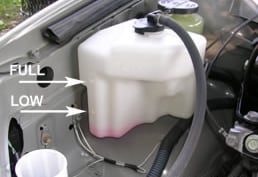
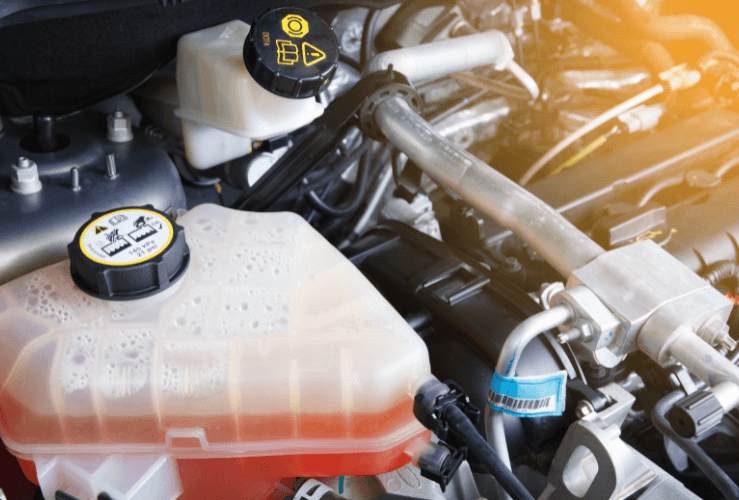
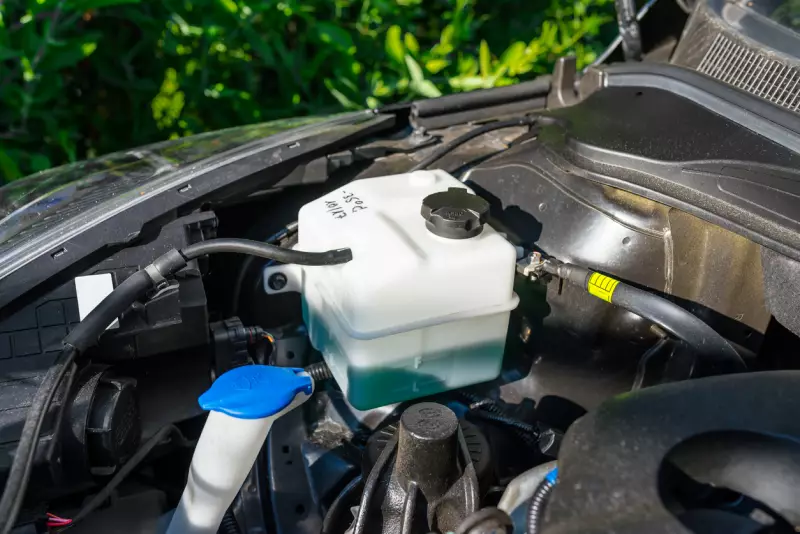
- Look for a white plastic bottle near the radiator or fender.
- The cap may say coolant or have a thermometer symbol.
- The tank has COLD or MIN and HOT or MAX lines.
These basics set you up for how to put coolant in car the safe way.

Step‑By‑Step: How To Put Coolant In Car
Follow these steps slowly. Keep it clean. Use the right coolant. This is the exact method I use in the shop.
- Park on level ground and let the engine cool. Wait until the upper radiator hose feels cool.
- Check the coolant tank. Note the COLD line. If fluid is below MIN, you need a top-up.
- Confirm the correct coolant type in the manual or on the cap. Color is not a guarantee.
- Put on gloves. Wipe dirt from the cap and neck. You do not want debris in the tank.
- Open the reservoir cap slowly. If you hear a hiss, pause and let pressure bleed off.
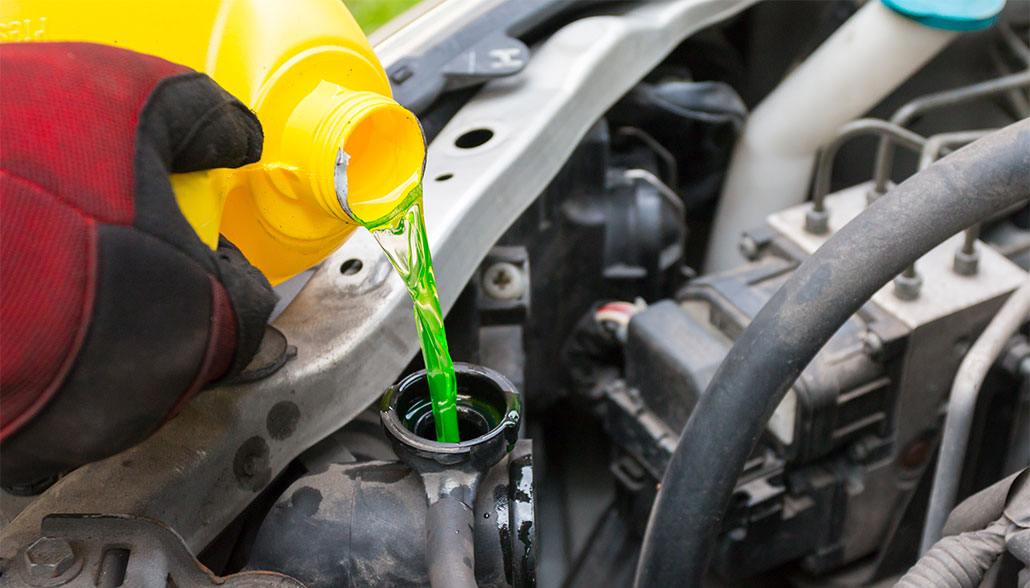
- Place a funnel in the neck. Add coolant in small pours. Watch the level rise.
- Stop at the COLD or MIN to MAX range. Do not overfill past MAX.
- Tighten the cap until it clicks or seats firmly.
- Start the engine. Turn the heater to hot. Let it idle for a few minutes. Watch for leaks.
- Shut off and let it cool. Recheck the level. Top up to the COLD line if needed.
If your car uses a radiator cap and no visible tank, the steps change. Only open the radiator cap when cold. Fill the radiator to the neck with the right mix. Then fill the overflow tank to the COLD line. This is still how to put coolant in car, but with an extra check at the radiator.
I once helped a friend on a mountain trip. His temp gauge spiked in traffic. We cooled the engine, added the correct premix, and he drove home fine. Slow steps and clean fills work.
Choosing The Right Coolant And Mix Ratio
Not all coolants mix well. Mixing types can shorten service life and cause sludge.
Key points:
- Always follow the owner’s manual first.
- IAT, OAT, HOAT, and Si-OAT are different chemistries. Color can mislead.
- If using concentrate, mix with distilled water. Tap water can add minerals and scale.
- A 50 or 50 mix works for most climates. It protects against freeze and boil.
- Some cars need a special spec. Read the cap or the manual label.
When you learn how to put coolant in car, the right type matters as much as the fill.

Topping Off Versus Full Flush
Topping off is fine if the coolant is clean and only a bit low. A flush is best when the fluid is old, brown, rusty, or contaminated.
Use this rule of thumb:
- Top off if the level dropped a little and the fluid looks clear.
- Flush if it has been more than the service interval or the fluid is dirty.
- Flush after any major cooling system repair.
Knowing this helps you decide how to put coolant in car the smart way.
Common Mistakes To Avoid
I see the same errors over and over. Avoid these and you will be ahead of the crowd.
- Opening a hot cap. Wait until it is fully cool.
- Using the wrong type. Do not trust color alone.
- Overfilling past MAX. Extra fluid can spill or stress hoses.
- Mixing tap water with concentrate. Use distilled water.
- Ignoring leaks. Low coolant means a loss somewhere.
Avoiding these mistakes is part of how to put coolant in car with confidence.

What To Check After You Add Coolant
A top-up is not the end. A quick post-check can save you time.
- Watch the temperature gauge during your next drive. It should stay in the normal range.
- Turn on the heater. Warm air means coolant is moving through the heater core.
- Look at the ground under the car after parking. Fresh drips can mean a leak.
- Recheck the tank in 24 hours. If it dropped again, you may have a slow leak.
- If you see white smoke, a sweet smell, or milky oil, stop and call a pro.
These checks close the loop on how to put coolant in car the right way.
Seasonal And Driving Tips
Weather changes how your cooling system behaves. So does hard use.
- Winter: Keep a solid 50 or 50 mix. It prevents freeze damage.
- Summer: Make sure the radiator fins are clean. Airflow matters on hot days.
- Towing or mountain driving: Watch the gauge more often. Consider a higher boil mix if your manual allows.
- City traffic: Fans do more work. Clean the condenser and radiator faces for better cooling.
Plan for your climate and trips when you think about how to put coolant in car.
Cost, Time, And When To See A Pro
A top-up takes 10 to 20 minutes and a few dollars. A full flush takes longer and costs more.
Call a pro if:
- The level keeps dropping. That points to a leak.
- The gauge runs hot or the heater blows cold at idle.
- You see crust at hose joints, the water pump, or the radiator.
- Your car has a complex bleed procedure. Some need special tools.
Getting help can be the safest path for how to put coolant in car when symptoms are tricky.
Frequently Asked Questions Of How To Put Coolant In Car
Can I mix different coolant colors?
No. Color is not a standard. Always match the chemistry and the spec in your manual.
Can I use water in an emergency?
Yes, distilled water only, and only to reach a safe place. Replace with the correct mix as soon as possible.
How often should I change coolant?
Most cars need fresh coolant every 5 years or about 100,000 miles. Check your manual for the exact interval.
What if I overfilled the coolant tank?
If slightly over, the system may push extra fluid out. If it is far over, use a turkey baster to remove some.
Why is my coolant low but I see no leaks?
Small leaks can evaporate on hot parts. It could also be a cap seal or a slow internal loss. Have it checked.
Do I open the radiator cap or the reservoir?
Most modern cars use the reservoir only. If your car has a radiator cap, open it only when fully cold.
Is premixed coolant better than concentrate?
Premix is easy and reduces errors. Concentrate is fine if you mix with distilled water to the right ratio.
Conclusion
You now know how to put coolant in car the safe and simple way. Use the right coolant, fill to the line, and do a quick post-check. Small steps today can save a big repair tomorrow.
Take a minute to check your level this week. If you found this helpful, subscribe for more hands-on car care guides or share your questions in the comments.
1 thought on “How To Put Coolant In Car: Simple Step-By-Step Guide”