

Most car headlights produce 700–1,500 lumens on low beam and 1,200–4,000 on high.
If you’ve ever wondered how many lumens is a car headlight, you’re in the right place. I’ve tested dozens of setups in the garage and on dark back roads. In this guide, I’ll break down real numbers, laws, and what actually helps you see better at night. You’ll learn how many lumens is a car headlight by type, why lumens alone can mislead, and how to upgrade safely without blinding others.
Source: hidnation.com
What lumens mean for headlights
Lumens measure total light output. More lumens means more light leaving the lamp. But how many lumens is a car headlight is only part of the story. Seeing the road depends on where that light goes.
Headlight rules focus on beam shape and intensity in specific directions. Those are measured in candela and lux, not only lumens. So two lamps with the same lumens can perform very differently. A clean, well-aimed beam can beat a higher-lumen lamp with poor focus.
If you want a quick sense of how many lumens is a car headlight, think ranges, not one number. Then judge beam quality and aim.

Source: youtube.com
Typical lumen ranges by headlight type
Here are practical ranges I see in the field and in spec sheets. These are per side unless noted.
- Halogen reflector or projector
Low beam: about 700–1,500 lumens
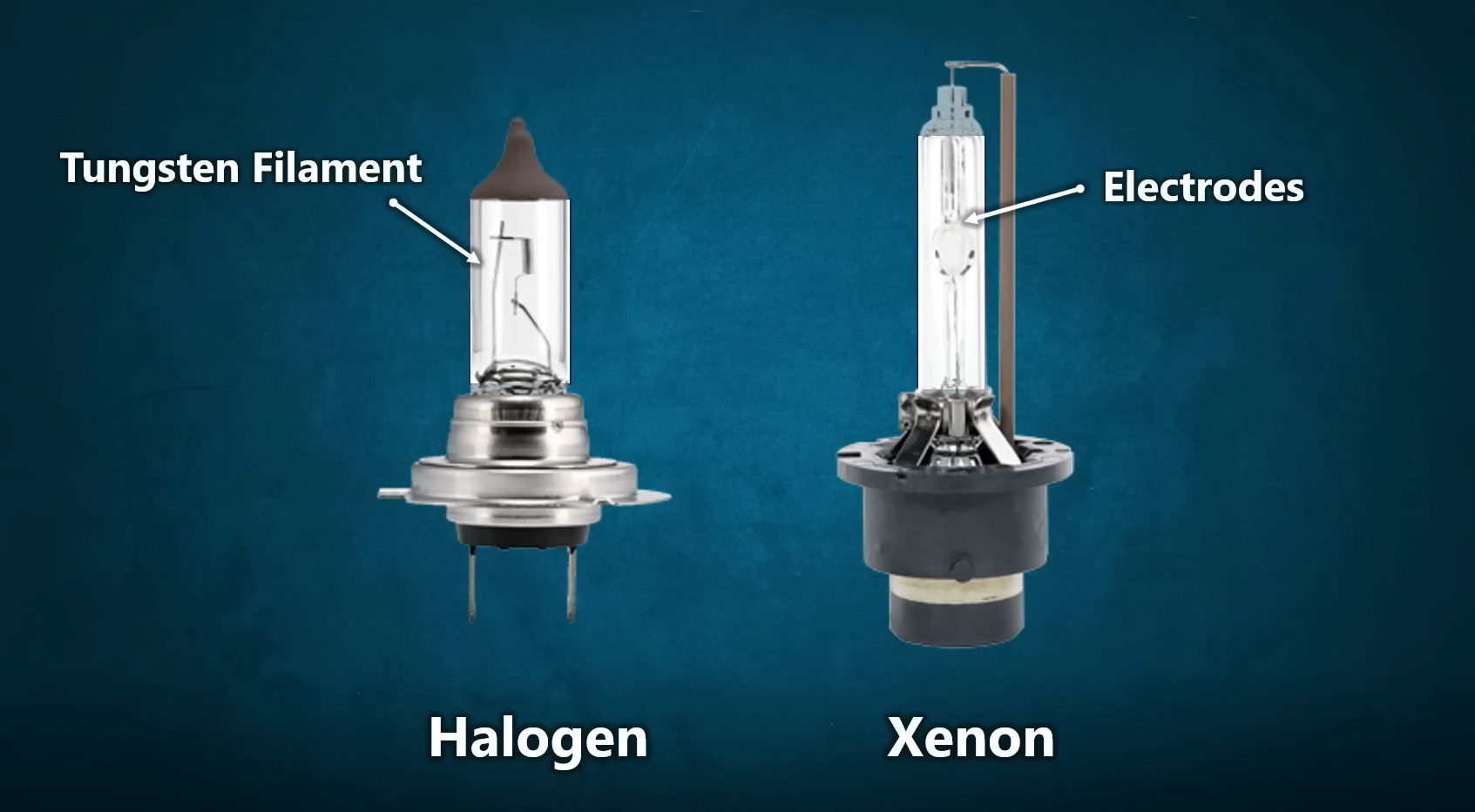
High beam: about 1,200–1,700 lumens - HID/Xenon (35W systems)
Low beam: about 2,800–3,500 lumens
High beam: similar flux, different beam shape; reach improves - LED OEM modules
Low beam: about 1,000–3,000 lumens
High beam: about 1,500–4,000 lumens - Laser-assisted (rare, high-end)
Used to boost high-beam reach. Effective flux is in the LED/HID range, but with tighter focus.
Note: The number on the box is often raw LED chip lumens. Actual delivered lumens through optics is lower. That is one reason people keep asking how many lumens is a car headlight and still get mixed answers.
Source: carlightvision.com
The law: what’s regulated and what isn’t
In the US, FMVSS 108 governs headlights. In many other regions, ECE rules apply. Both use photometric tests at many points in the beam. They control glare and minimum light on the road.
These rules do not set a single lumen limit. They set where and how much light can go. That is why how many lumens is a car headlight is not the main legal metric. A legal headlight can have modest lumens yet great visibility, because the beam is precise.
If you install an LED bulb in a halogen reflector, it may look bright. But it can fail the beam pattern and create glare. That can be unsafe and illegal, even if the lumen number sounds great.
Source: auxito.com
Lumens vs visibility: lux, beam pattern, and color
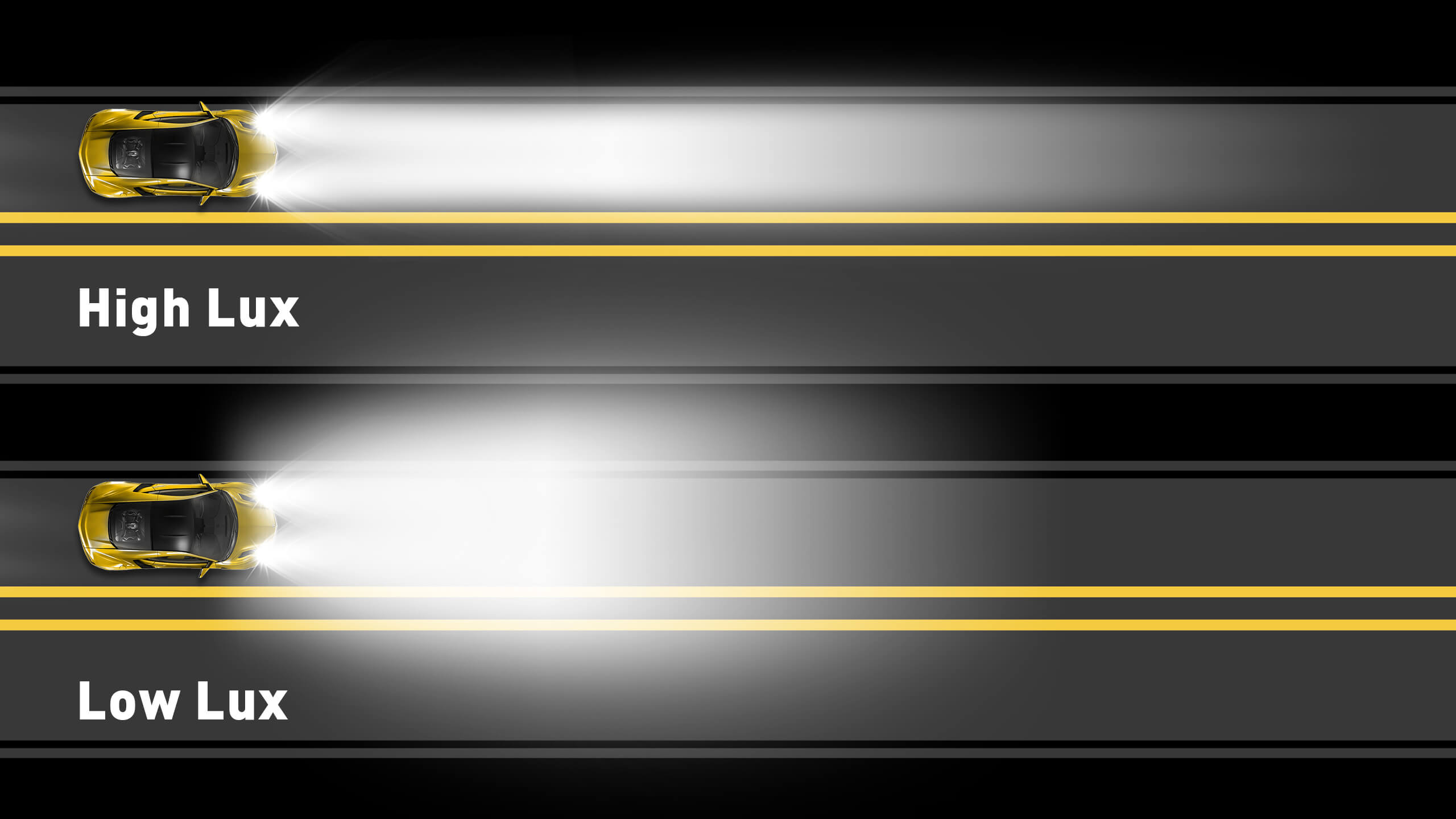
Visibility depends on lux on the road. Lux is lumens per area. A good optic puts light where you need it and keeps it out of eyes.
- Beam pattern
Sharp cutoff, wide spread, and strong hot spot help you see far and wide. This matters more than a big lumen claim. - Color temperature
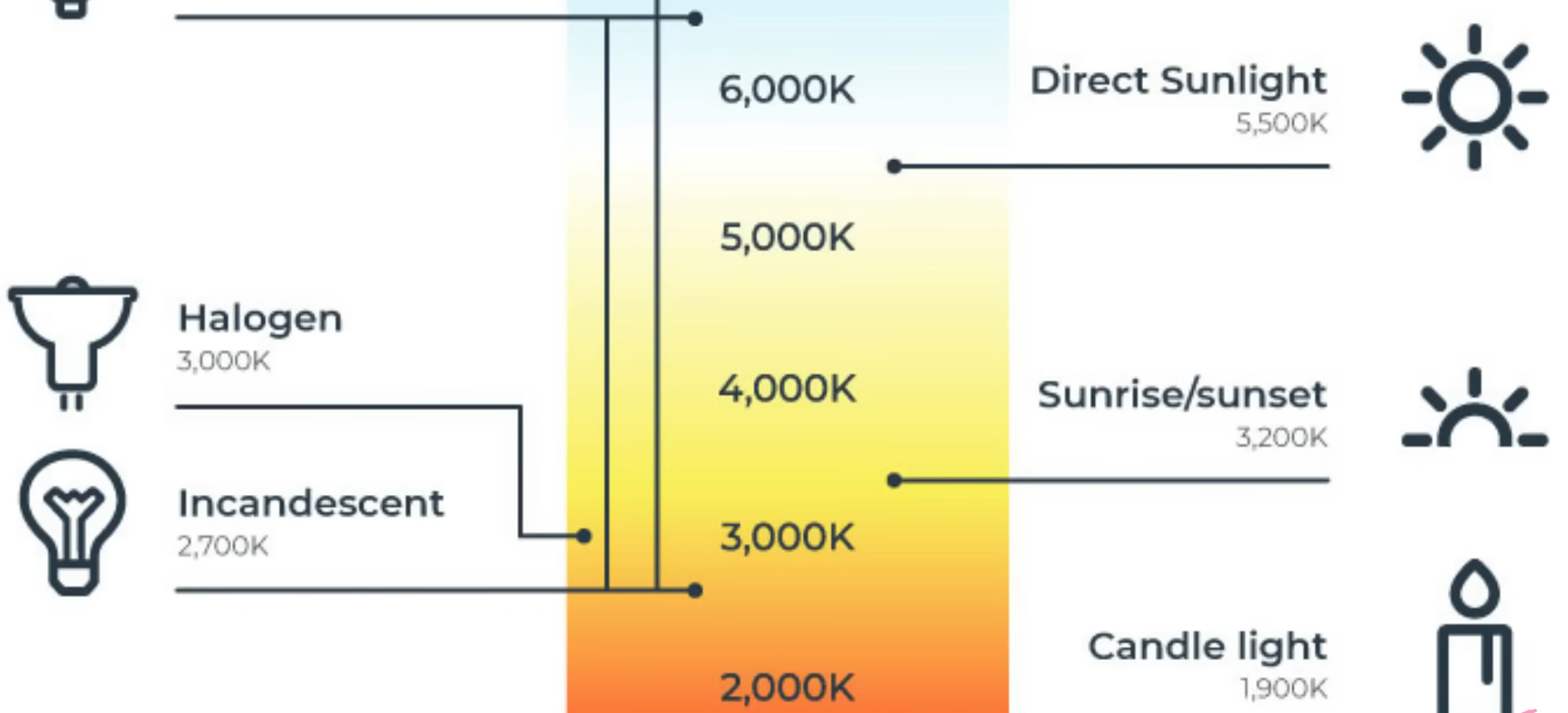
Halogen is around 3,200K. HID is often 4,200–4,500K. OEM LEDs run near 5,000K. Very blue light can cause more glare and worse performance in rain or fog. - Color rendering
Warmer white often shows road texture better. That helps your brain read hazards faster.
So, how many lumens is a car headlight? Enough to meet road needs with a clean beam. More lumens without control can be worse.
Source: carlightvision.com
What changes headlight output over time
Even a great lamp can dim or scatter light. Here are common factors I see:
- Lens haze
UV damage turns the lens cloudy. You lose lumens and get more glare. A good restoration can be a big win. - Voltage and heat
Halogen output drops with low voltage. LEDs dim if they overheat. Good wiring and cooling keep output stable. - Aging
Halogen filaments thin. HID capsules shift color and lose flux. LEDs can degrade if poorly cooled. - Dirt and alignment
Dust on the lens and mis-aim can cut useful lux fast.
If you wonder how many lumens is a car headlight after a few years, expect less than new unless you maintain it.

Source: flasharkracing.com
How to choose or upgrade safely
You want more light without glare. Here’s how I approach it when friends ask how many lumens is a car headlight they should buy:
- Stay compliant
Look for DOT/SAE or ECE markings on complete lamps. Bulb-only “10,000 lumen” claims are often hype. - Match optics and source
A projector designed for halogen works best with halogen. Many LED bulbs in halogen reflectors scatter light. - Consider OEM-grade options
Factory LED or HID housings, or quality projector retrofits, can improve lux with a legal beam. - Aim it right
Park 25 feet from a wall on level ground. Set the cutoff slightly below headlight center height. Small changes make a big difference. - Replace in pairs and clean lenses
Fresh, matched bulbs and clear lenses beat chasing giant lumen numbers.
Source: naoevo.com
Measuring your headlights at home
You can get a rough idea without a lab.
- Use a lux meter app or device
Measure the brightest point on the wall at a set distance. Keep conditions the same for before/after tests. - Compare, don’t convert
Converting lux to lumens needs beam area and losses. It’s tricky. Use it to compare setups, not to prove how many lumens is a car headlight. - Road test
Find a dark, empty road. Check lane marker reach, shoulder detail, and signs. Watch for oncoming flash reactions as a glare cue.
In my tests, a clean lens and correct aim often beat a “brighter” bulb with poor focus by a wide margin.

Source: hawkglow.com
Real-world garage notes
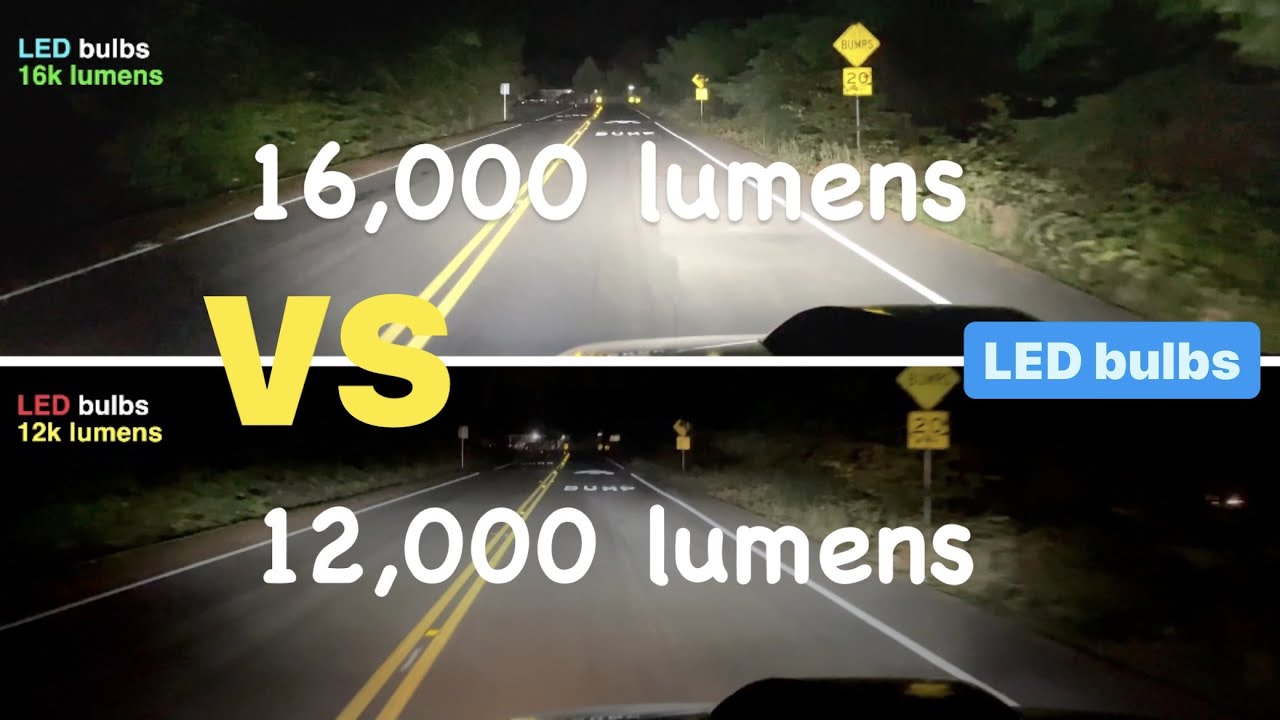
A friend asked me how many lumens is a car headlight he should get for his older sedan. He bought “12,000 lumen” LED bulbs for halogen reflectors. On paper, great. On the road, the hotspot vanished and glare went up. Oncoming drivers flashed him nonstop.
We switched back to quality halogen, restored the lenses, and aimed the beams. Then we moved to an OEM-style projector retrofit with legal LEDs. The lux on the road jumped, signs popped, and no one flashed him. Lesson learned: how many lumens is a car headlight matters, but beam control wins.
Source: youtube.com
Frequently Asked Questions of how many lumens is a car headlight
How many lumens is a car headlight on low beam?
Most halogen low beams are about 700–1,500 lumens per side. Many OEM LED or HID setups range from about 1,000–3,000 lumens.
How many lumens is a car headlight on high beam?
Many halogen high beams are around 1,200–1,700 lumens. LED and HID high beams can reach about 1,500–4,000 lumens.
Does more lumens always mean better headlights?
No. Beam pattern and aim control glare and put light where you need it. A lower-lumen lamp with a precise beam can outperform a higher-lumen one.
Are LED headlight bulb lumen claims accurate?
Often not. Many list raw chip lumens, not delivered lumens through optics. Expect real output to be lower than the box claim.
What color temperature is best for night driving?
Around 4,000–5,000K balances contrast and comfort. Very blue light can add glare and reduce performance in rain or fog.
Is it legal to swap halogen bulbs for LED bulbs?
It depends on your region and the specific lamp. Many LED bulbs in halogen housings are not road-legal even if they seem bright.
How can I improve my headlights without changing bulbs?
Clean and restore the lenses, check wiring, and aim the lamps. These steps often bring the biggest real-world gains.
Conclusion
How many lumens is a car headlight is a helpful guide, not a final verdict. Real safety comes from a clean lens, a legal beam, and careful aim. Choose parts that match your optics, confirm compliance, and test on a dark road.
If this helped, try a quick lens check and aim today. Then explore safe, OEM-grade upgrades if you want more reach. Have questions or a setup to share? Drop a comment so we can compare notes and make night driving safer together.