

Brake noise usually means wear, contamination, or loose hardware; inspect, service, or replace.
If your brakes squeal, grind, or click, you are not alone. I have solved hundreds of cases of brake noise problem and solution in shops and driveway garages. In this guide, I break down what the sounds mean, how to find the cause, and the exact fixes that last. If you want a clear, practical brake noise problem and solution plan that works, you are in the right place.
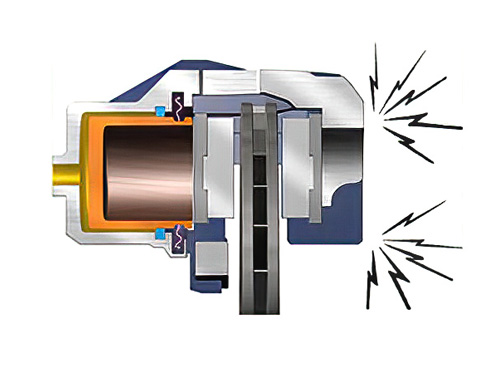
Source: advicsaftermarket.com
What brake noises really mean and how to read them
Squeal, grind, click, and thump each tell a story. You can read it without guesswork. This section maps each sound to a likely cause and points you to the right brake noise problem and solution.
- High-pitch squeal. Often pad vibration, glazed pads, dry shims, or light surface rust. Sometimes normal when damp.
- Metallic grind. Pad worn to metal, trapped pebble, or rotor damage. Stop and inspect now.
- Click or clunk. Loose hardware, missing anti-rattle clips, worn slide pins, or wheel lug torque issues.
- Pulsing with noise. Rotor thickness variation or runout. Feels like a heartbeat at the pedal.
- Groan at low speed. Moisture on rotors, pad compound traits, or sticky caliper pins.
In my experience, a morning squeal that vanishes after a few stops is often rust and is harmless. A grind is never harmless. Address that right away for a safe brake noise problem and solution.

Source: youtube.com
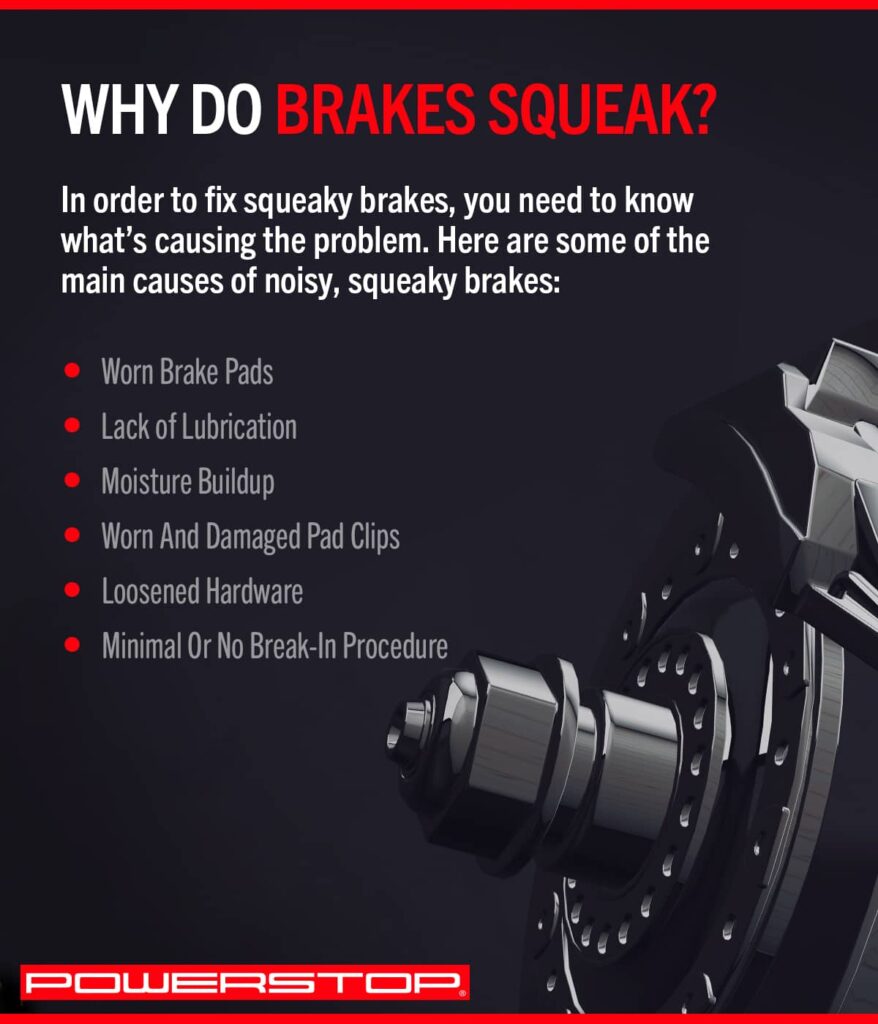
The most common causes behind brake noise
Most brake noise starts with a few repeat offenders. Fix these, and the noise usually goes away for good. Here is the short list I see most in the shop.
- Worn pads. The wear indicator tab scrapes the rotor to warn you. This is by design.
- Cheap or incorrect pad compound. Hard, low-quality pads can squeal and glaze.
- Dry or missing shims. Shims absorb vibration. Dry shims let pads sing.
- Dirty or seized slide pins. Calipers cannot move freely, so pads drag and squeal.
- Rotor runout or thickness variation. Even a small wobble can cause pulsing and noise.
- Rust build-up on rotor edges. Creates a scraping or chirp every rotation.
- Contamination. Grease, brake fluid, or road tar on pads or rotors can squeal or groan.
- Loose hardware. Missing anti-rattle clips or uneven lug torque causes clicks and clunks.
- Wheel bearing or suspension noise. These can mimic brake noise, especially during turns.
Every brake noise problem and solution starts with checking these items. The cause is usually one or two of them.
Source: powerstop.com
Step-by-step diagnosis for a brake noise problem and solution
You can find most issues with basic tools and a calm process. Here is a quick path I use.
- Test drive and note patterns. Speed, temperature, braking force, and road conditions. Noise under light braking hints at pad vibration. Noise at all times hints at hardware or bearings.
- Visual check. Look through the wheel. Is the pad thin? Is the rotor scored or rusty?
- Wheel off and hardware check. Confirm anti-rattle clips are present. Wiggle pads for free movement.
- Pin and boot check. Slide pins should move smoothly by hand. Boots should not be torn.
- Rotor check. Feel for grooves and rust lips. Use a dial indicator if you have one to check runout.
- Clean and lube. Use brake cleaner on friction faces. Apply high-temp brake grease to contact points, not pad surfaces.
- Isolate the corner. If unsure, pull pads one corner at a time and inspect. Match wear patterns left to right.
This flow will pinpoint most causes. Use it as your base brake noise problem and solution plan.
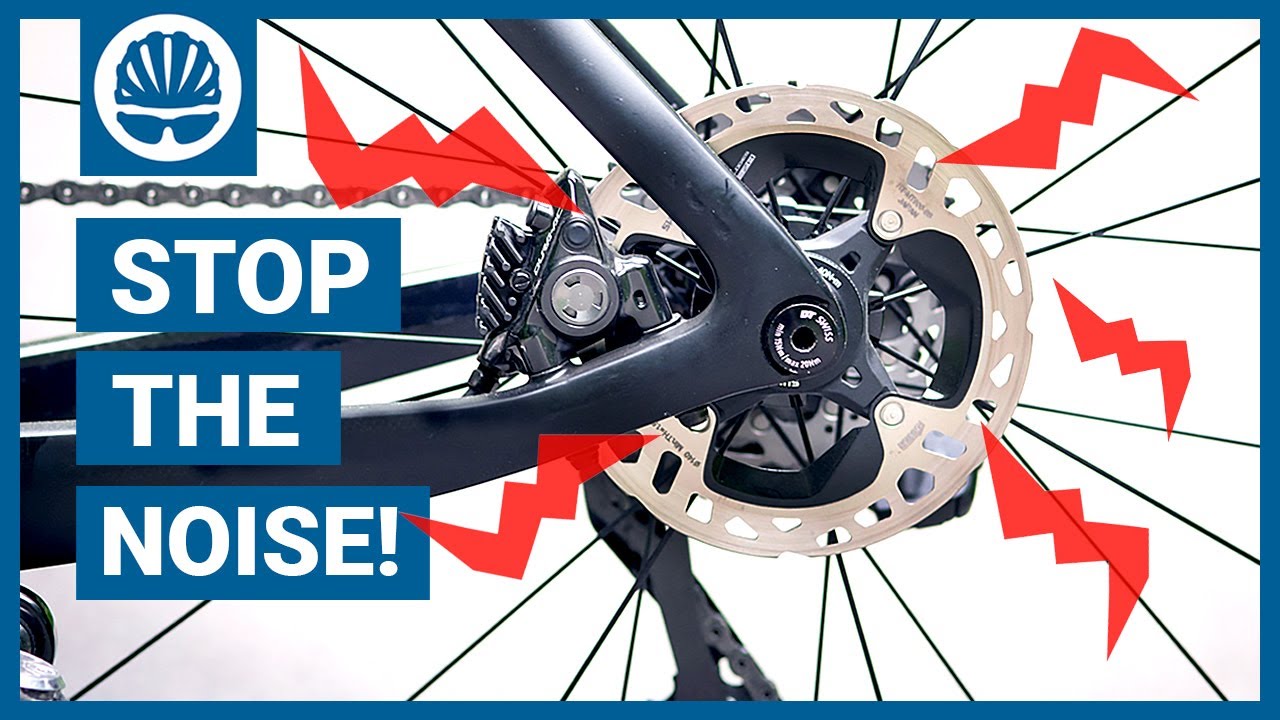
Source: youtube.com
Proven fixes that stop brake noise for good
When you know the cause, the repair is simple. Use these fixes and your brakes will feel new again.
- Replace worn pads and rotors together. Mating new pads to a rough rotor invites noise. Choose a pad compound that fits your use. Ceramic for clean and quiet. Semi-metallic for heavy duty.
- Refresh hardware. Replace shims, anti-rattle clips, and slide pin boots. Clean and lube pins with high-temp synthetic brake grease.
- Correct rotor runout. Clean the hub face until it shines. Torque wheel lugs in a star pattern with a torque wrench. If needed, machine or replace rotors.
- De-glaze pads and rotors. Lightly scuff glazed pads and rotor faces with fine sandpaper, then re-bed the brakes.
- Remove contamination. Clean with brake cleaner only. If pads are soaked, replace them.
- Fix loose or missing parts. Tighten caliper bracket bolts to spec. Install the correct clip kit.
After any repair, perform proper pad bedding. Ten gentle stops from 30 mph to 5 mph with cool-down in between works for most pads. This locks in your brake noise problem and solution.

Source: freshdesk.com
DIY toolkit and parts checklist
A few right tools make the job smooth and safe. Here is what I keep close for any brake noise problem and solution.
- Jack, stands, and a torque wrench.
- Lug socket, breaker bar, and caliper piston tool.
- Brake cleaner, high-temp brake grease, and shop towels.
- Wire brush for hub faces and brackets.
- Dial indicator for rotor runout, if available.
- New pad set with shims and hardware kit.
- New rotors if worn, undersized, or scored beyond service.
If you lack a dial indicator, you can still do 90 percent of the work. Clean the hub well and torque lugs right. That alone fixes a lot of noise.
Source: youtube.com
Pro tips from the bay for a lasting brake noise problem and solution
These small steps make big gains in quiet, smooth brakes.
- Chase rust from the caliper bracket. Pads should slide with finger pressure in the bracket. If they bind, they will squeal.
- Apply grease only to contact points. The ears of the pad, slider pins, and the back of the shim. Never the pad face.
- Check pad chamfers and slots. They help guide gas and reduce high-frequency squeal.
- Mind the hub. Even a thin rust flake can cause rotor wobble and noise.
- Use a torque wrench. Uneven lug torque can warp rotors over time and cause noise.
- Consider pad compound. If most trips are short and cold, ceramic pads tend to stay quieter.
These habits turn a basic brake noise problem and solution into a long-term fix.

Source: autonationmobileservice.com
Costs, timing, and when to see a pro
Noise that changes to a grind is urgent. If you hear grinding or feel a strong pulse, park it and inspect now. A calm brake noise problem and solution today can save a rotor and a tow.
- Pad and rotor service per axle. Often one to three hours with basic tools.
- Parts range. Budget to premium pads and rotors vary widely. High-quality hardware is worth it.
- Shop labor. Rates vary by region. Many shops include hardware and a warranty.
If you are not sure about a bearing or a hydraulic issue, get a pro test drive. They can confirm fast and save you time and risk.

Source: youtube.com
Prevention checklist to keep brakes quiet
A quiet system stays quiet with light care. Use this list each tire rotation or oil change.
- Rinse wheels and rotors after winter roads to remove salt.
- Listen after rain. A brief squeal can be normal rust. Persistent noise is not.
- Check pad thickness and hardware every 6 months.
- Retorque lugs after any wheel service.
- Re-bed pads after pad or rotor changes.
Preventive steps turn any brake noise problem and solution into a once-and-done task.
Source: rubore.com
Frequently Asked Questions of brake noise problem and solution
Why do my brakes squeal only in the morning?
Moisture creates a thin rust layer on rotors overnight. It often clears after a few stops, but if it keeps squealing, inspect shims and hardware.
Is brake noise always dangerous?
Not always, but grinding is urgent. Squeal can be harmless, yet it still points to an issue that you can fix before it gets worse.
Can I spray something to stop brake noise?
Use brake cleaner for cleaning only, not as a cure. Noise needs proper hardware, clean surfaces, and correct lube on contact points.
Do I need to replace rotors with pads?
Often yes for best results. New pads on worn or grooved rotors can squeal and wear fast.
How do I bed new pads to avoid noise?
Do 8 to 10 gentle stops from 30 mph to 5 mph with cool-down. Avoid hard stops for the first 200 miles.
Why do brakes click when I back up?
Pads can shift slightly in the bracket if clips are worn or missing. Replace the hardware to stop the click.
Can cheap pads cause a brake noise problem and solution to fail?
Yes. Low-grade pads can glaze and squeal. Use quality pads with the right compound for quiet, steady braking.
Conclusion
Brake noise speaks a clear language. With a simple process, the right parts, and a few pro habits, you can turn a nagging squeal or grind into a smooth, quiet ride. Start with a calm check, fix what you find, and bed the pads the right way.
Take action today. Use this guide to diagnose, repair, and prevent your brake noise problem and solution from coming back. If you found this helpful, subscribe for more hands-on car care guides or leave a comment with your results and questions.