

Police may unlock your car only for emergencies or safety; otherwise, call a locksmith.
Getting locked out of your car can be scary or just annoying. I’ve helped many drivers sort this out and have studied agency policies across the US. In this guide, we’ll answer will the police unlock your car with clear steps, real examples, and easy rules so you know when to call 911, when to use a non-emergency number, and when to call roadside help or a locksmith. Read on to protect your safety, time, and wallet.
When will the police unlock your car?
Most departments will unlock a car only when there is a clear safety risk. The goal is to protect life and prevent harm. If there is no danger, police may refuse due to damage risks and liability.
Typical cases where officers act fast:
- A child is locked in the car
- A pet is inside, especially in heat or cold
- A person in distress, like someone with a medical issue
- A car that must be moved right now for safety
- Evidence or an urgent crime concern
In many other lockouts, the answer to will the police unlock your car is no. They will ask you to call roadside assistance, your car maker’s app, or a locksmith. Many officers carry tools, but they use them only when life or safety comes first.
Laws and policies that guide police unlock decisions
Will the police unlock your car depends on law and local policy. Officers act under a duty to protect the public. They balance safety with your rights and property.
Key ideas you should know:
- Community caretaking. Police can act to protect people from harm. Getting a child or pet out in heat is a clear example.
- Exigent circumstances. In an emergency, officers can unlock or even break a window without a warrant to save life or prevent serious damage.
- Consent. If it is not an emergency, many departments avoid unlocking, even with your consent, due to risk of damage and claims.
- Liability and damage. Some agencies once used “slim jims.” Today, many no longer do. Airbags, wiring, and window seals can be harmed. Damage waivers do not always protect cities.
- Good Samaritan laws. Many states shield people who break a window in good faith to save a child or pet. Police know these rules and will act fast in clear danger.
Bottom line: will the police unlock your car often comes down to safety. If life is at risk, yes. If not, they will point you to a safer, insured option.
What to do right now if you are locked out
Use this simple plan the moment you notice the lockout.
- Check for danger first. Is a child, pet, or person inside? Is the weather extreme? If yes, call 911 now.
- If no danger, call the non-emergency police line. Ask if they unlock cars in your area. Policies vary by city and county.
- Try your built-in options. Many cars have remote unlock via app or service.
- GM OnStar, FordPass, Hyundai Bluelink, Kia Connect, HondaLink, Tesla app
- Some insurance and credit cards include lockout help
- Call roadside assistance. AAA and most insurers send a pro fast. Many mobile locksmiths arrive in 20–45 minutes.
- Know the costs and time. Roadside plans often cover lockouts. A local locksmith may cost $60–$150+, depending on time and complexity.
- Protect your car. Ask for ID and a written estimate. A pro uses tools that reduce damage risk.
- Plan a backup. Keep a spare key in a wallet card, a magnetic box at home, or with a trusted friend. Set up your car’s app today.
Will the police unlock your car in a pinch? Yes for danger. For normal lockouts, a locksmith or your auto app is faster and safer.
A simple safety-first decision tree
Use this quick flow when you face a lockout.
- Is anyone inside who cannot get out? Child, pet, elder, or someone ill?
- Yes: Call 911. Stay on the line. If heat is severe and help is not near, break the window farthest from the person and unlock.
- No: Go to the next step.
- Is there an immediate hazard? Fire, severe weather, car in traffic?
- Yes: Call 911 or the non-emergency line for guidance.
- No: Go to the next step.
- Do you have remote unlock via app or service?
- Yes: Use it now. Confirm the car is in Park and secure.
- No: Call roadside assistance or a licensed locksmith.
- After you’re in, set a habit. Store a spare. Enable your app. Add lockout coverage.
This plan gives you a clear yes/no path and cuts stress when minutes feel long.
Real stories and lessons from the field
In my work helping drivers with roadside advice and interviewing locksmiths and officers, I’ve seen the same pattern. Safety comes first, then speed, then cost.
- A summer lockout with a toddler. A mom called 911 on a 90-degree day. Officers arrived in minutes and broke a rear window away from the car seat. The child was fine. The department would not risk tools and time when heat was rising. Lesson: if there’s heat and a child, do not wait.
- A pet locked in mild weather. The caller used the non-emergency line. Police advised a locksmith, who opened the car in six minutes. Cost was under $100. Lesson: mild temps change the answer to will the police unlock your car.
- A late-night highway lockout. A driver parked on a narrow shoulder. The trooper requested a tow with lockout service due to the hazard. Lesson: location risk can prompt faster action, even without a child or pet.
Mistakes to avoid:
- Waiting too long to call in heat or cold
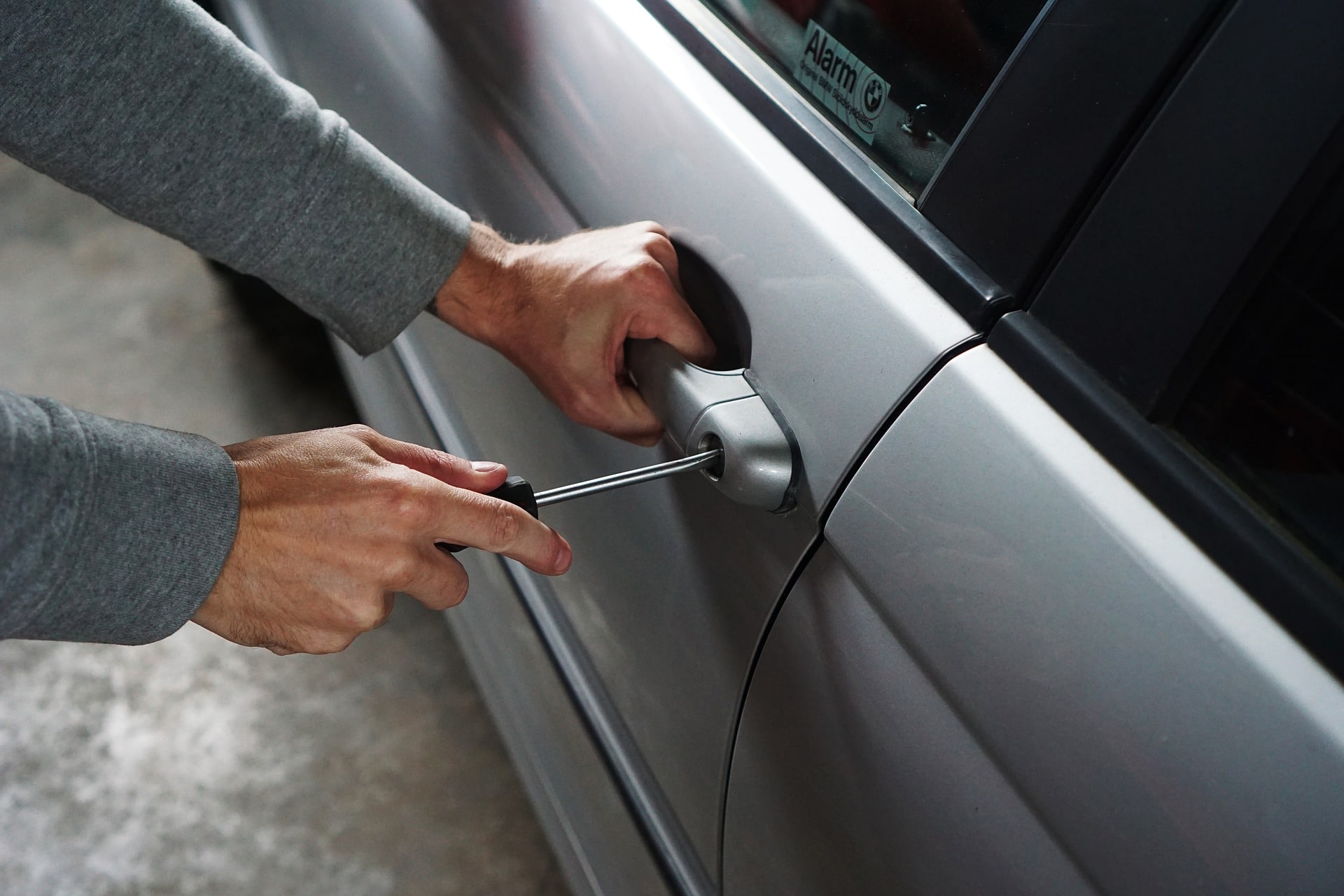
- Forcing a door with makeshift tools that can fire an airbag or cut a seal
- Not checking if your insurance or card includes lockout coverage
Practical tip: Program your non-emergency police number, insurer, and a trusted locksmith in your phone today.
Myths and facts about will the police unlock your car
- Myth: Police must unlock any car on request.
- Fact: Most departments unlock only for safety or emergencies.
- Myth: A slim jim is safe on all cars.
- Fact: Modern cars have side airbags and complex wiring. Damage can be costly.
- Myth: Breaking a window always leads to charges.
- Fact: Many states protect good-faith rescues of kids and pets. Check your state law.
- Myth: Roadside help is slow and pricey.
- Fact: Many arrive in 20–45 minutes. Plans often cover lockouts at no extra cost.
- Myth: Apps are risky to set up.
- Fact: Maker apps use secure logins. They can save you in minutes.
These truths shape the real answer to will the police unlock your car.
People also ask
- Can you call 911 for a lockout with no danger?
- Use 911 only if someone is at risk or there is an immediate hazard. For normal lockouts, use the non-emergency line or roadside help.
- Is it legal to break a window to save a pet?
- In many states, Good Samaritan laws protect you if you act in good faith. Call 911 first if you can and document the scene.
- Will a police report help with damage claims?
- It can help show why action was needed. For non-emergency unlocks, your insurer or roadside provider is the better path.
These quick points support a careful answer to will the police unlock your car in common cases.
Frequently Asked Questions of will the police unlock your car
Will the police unlock your car if a child is inside?
Yes, almost always. Officers will act fast and may break a window if needed to keep the child safe.
Will the police unlock your car for free?
In emergencies, yes. For non-emergencies, many departments will not unlock at all and will refer you to a locksmith or roadside plan.
Can I be liable if I break my own window to save a pet?
Laws vary by state. Many provide protection if you act reasonably and call 911, but you should still expect to repair your window.
Will my insurance cover a locksmith for a car lockout?
Many auto policies and roadside plans include lockout service. Check your policy, app, or card benefits before you need them.
Should I sign a damage waiver if an officer offers to unlock my car?
If a department still provides this service, they may request a waiver. Understand that a waiver does not guarantee coverage for damage.
Conclusion
Police focus on safety. Will the police unlock your car? Yes, when life or immediate harm is at stake. For routine lockouts, use your car’s app, call roadside help, or hire a pro to avoid damage and delays. Set up your remote services, save key contacts, and stash a spare today. If this guide helped, share it with a friend, subscribe for more smart car tips, or leave a question below so we can help you next time.