

Wash, decontaminate, apply a thin wax layer, let it haze, then buff.
If you want deep gloss and real paint protection, you need more than a quick wipe. I’ve detailed hundreds of daily drivers and show cars. In this guide on how to wax a car, I break down each step, share pro tips, and help you avoid waste and mistakes. Follow along and learn how to wax a car like a pro with simple, safe steps.
Source: ethoscarcare.com
Why Waxing Matters: Protection, Gloss, and Value
Wax shields your clear coat from UV, dirt, and water spots. It adds slickness so grime sticks less and washes off faster. A good wax also boosts depth and gloss, even on older paint.
Modern clear coats are thin. Most are only a few mils thick. You cannot keep polishing forever. Wax is a gentle layer that protects without removing paint. If you are learning how to wax a car, start with safe habits now and you will protect your finish for years.
Source: leonsautobody.com
What You Need: Tools and Products
You do not need a shop to get great results. But the right gear helps.
Essentials
- Car wash soap that is pH balanced for paint. Do not use dish soap.
- Two buckets, wash mitt, and a soft drying towel.
- Clay bar or synthetic clay mitt for bonded grime.
- Wax of your choice: carnauba, synthetic sealant, or hybrid.
- Foam or microfiber applicator pads.
- Plush microfiber towels. Use 300–500 GSM for wipe-off.
- Painter’s tape to protect trim if needed.
Nice-to-haves
- Iron remover for brake dust specks.
- Panel prep or isopropyl alcohol mix for clean bonding.
- Detailing light to check your work.
- Dual action polisher if you plan to polish.
Safety notes
- Work in shade on cool paint.
- Avoid wind and dust.
- Test new products on a small spot first.
If you ask how to wax a car with the least effort, choose a quality liquid or paste wax and soft towels. Keep it simple and clean.
Source: ethoscarcare.com
Prep Like a Pro: Wash and Decontaminate
Great results start with clean paint. Wax will not stick to dirt or film.
Step-by-step wash
- Rinse the car from top to bottom.
- Use two buckets. One with soap, one for rinse water.
- Wash top panels first, then sides, then the dirtiest areas last.
- Rinse well and dry with a soft towel. Blot, do not grind.
Decontamination
- Use iron remover on paint if you see tiny rust dots. Rinse.
- Clay the paint with lube. Work small areas. You will feel it go smooth.
- Dry again. Wipe with panel prep to remove oils if the paint feels slick.
Inspect the paint under good light. If you see swirls and want more gloss, do a light polish before wax. If you only want protection today, you can go straight to wax. Knowing how to wax a car includes knowing when to stop. Clean and smooth paint makes any wax better.
Source: turtlewax.com
How to Wax a Car: Step-by-Step
This is the core process I use on customer cars and my own.
- Read the label. Follow the cure time and directions for your wax.
- Work in shade. Paint should be cool to the touch.
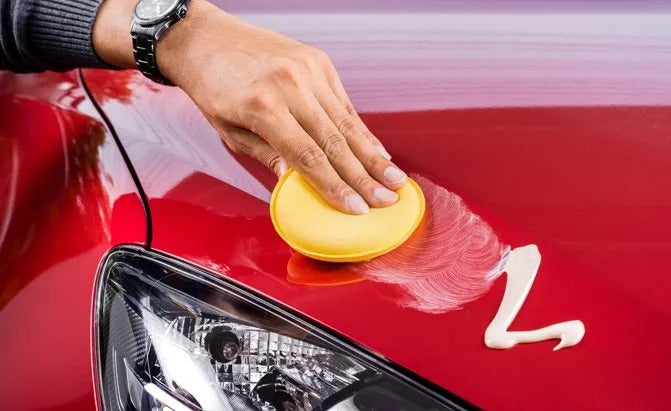
- Use a clean foam applicator. Prime it with a small pea of product.
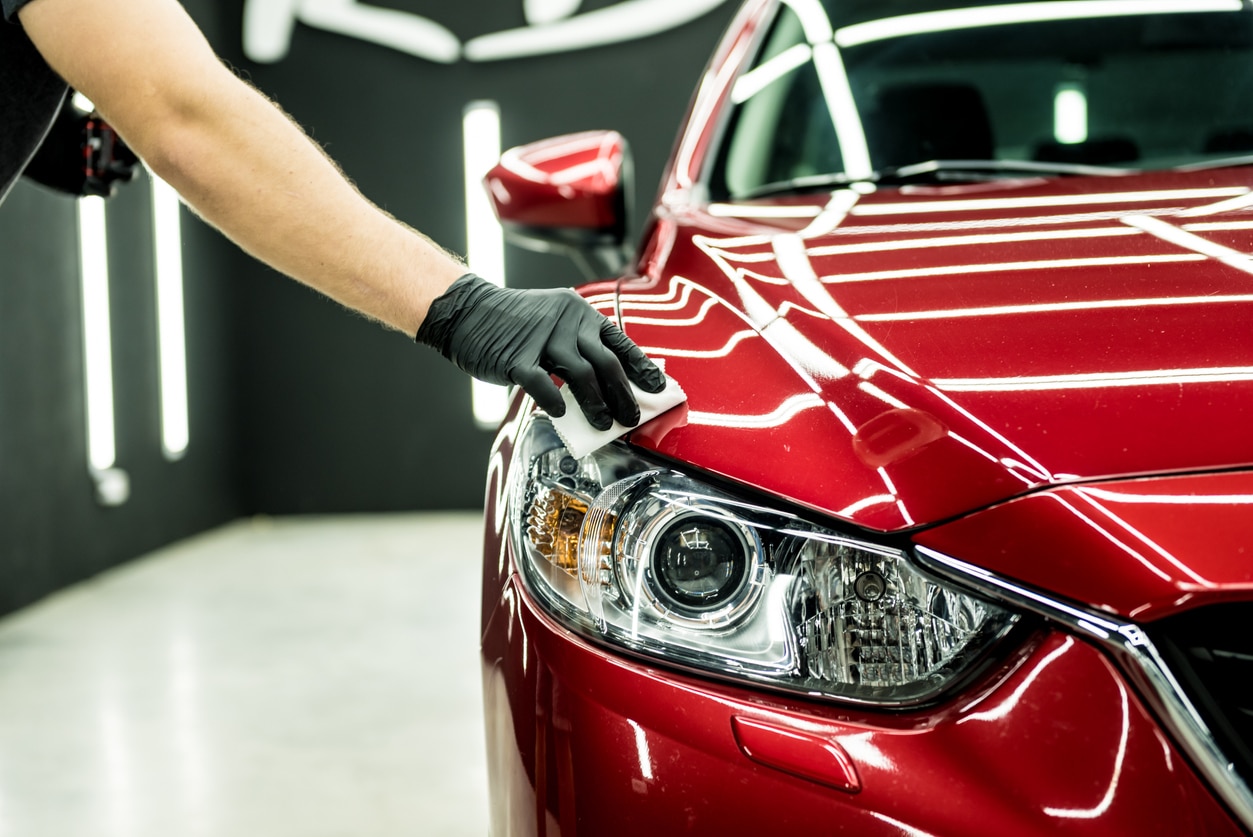
- Apply thin. Less is more. You want a ghostly film, not frosting.
- Use small, overlapping motions. I like a crosshatch pattern.
- Do one panel at a time. Hood, then fender, and so on.
- Wait for haze or a swipe test. Wipe a finger across. If it clears, it is ready.
- Buff with a plush microfiber. Flip the towel often.
- Check from different angles. Rebuff light spots if needed.
- Repeat for full coverage. Optional: add a second coat after the first cures.
Pro tips from the field
- Tape black trim if your wax stains. If you slip, use a trim cleaner right away.
- If you drop a towel, use a fresh one. Dirt can scratch fast.
- Do not chase perfection with pressure. Let the towel and product work.
If you ever wondered how to wax a car for winter, add a second coat 12–24 hours later. Layering improves durability. If you ask how to wax a car fast, use a spray wax for the door jambs and tight spots to save time.
Source: simoniz.uk
Common Mistakes and Easy Fixes
Learning how to wax a car the right way means avoiding these traps.
- Too much product. Thick coats waste time and streak. Fix by applying less and letting it cure.
- Dirty towels. Old towels cause haze and swirls. Fix by using clean, plush microfibers.
- Hot panels. Wax flashes too fast in heat. Move to shade and let panels cool.
- Stained trim. Some waxes leave white marks. Use tape or a trim-safe product.
- Skipping decon. Wax over grit looks dull. Clay the paint first for a smooth base.

Source: turtlewax.com
Wax vs Sealant vs Ceramic: Pick What Fits You
The best product depends on time, climate, and goals.
- Natural carnauba wax. Warm glow and deep shine. Lasts 4–8 weeks.
- Synthetic sealant. Strong protection and gloss. Lasts 4–6 months.
- Hybrid wax. Mix of carnauba and polymers. Balanced look and life.
- Ceramic coating. Long life and high chemical resistance. Needs careful prep.
If your goal is quick upkeep and you are learning how to wax a car on weekends, a quality liquid wax or hybrid is ideal. If you want long intervals, use a sealant first, then top with wax for warmth.
Source: torquedetail.com
Aftercare: Make Your Wax Last Longer
Good habits keep that shine alive.
- Wash weekly with pH-balanced soap. Avoid harsh cleaners.
- Use a drying aid or spray wax after each wash for a boost.
- Avoid automatic brushes. Touchless wash is safer if you must use one.
- Park in shade when you can. UV shortens wax life.
- Reapply wax every 6–12 weeks, depending on weather and use.
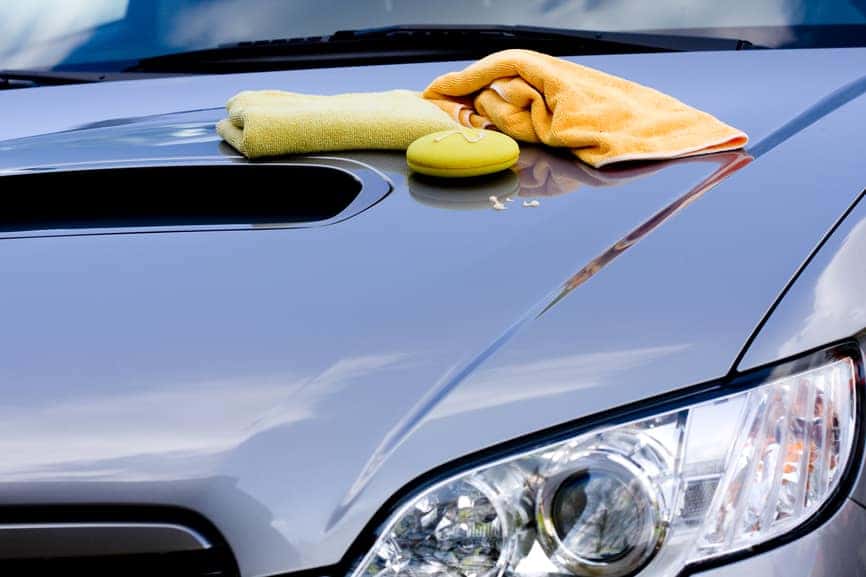
If friends ask how to wax a car and keep it glossy, I tell them this: clean often, top often, and be gentle. It is that simple.
Source: valleyhonda.com
Troubleshooting: Streaks, Haze, and Residue
Do not panic. Most issues are easy to fix.
- Streaks after wipe-off. You used too much or removed too soon. Rebuff with a damp microfiber, then dry.
- Oily haze next day. The product did not fully cure. Park in shade and rebuff. A panel prep wipe can help.
- White on plastic trim. Use a trim cleaner or a soft brush with APC. Protect trim before next time.
- Patchy shine. You missed a spot. Apply a thin layer to that area and rebuff.
- Dust nibs under wax. You skipped decon. Clay the area, then re-wax.
These fixes are part of knowing how to wax a car under real-world conditions. Wind, dust, and heat happen. Adjust and move on.
Time and Budget: What to Expect
Waxing does not need to be slow or pricey.
- Time for a compact car. About 60–90 minutes with full prep.
- Cost to start. Around $50–$100 for towels, wax, and basics.
- Skill curve. Your second session will be twice as fast.
If a neighbor asks how to wax a car without stress, I suggest breaking it up. Prep on day one. Wax on day two. You will enjoy it more and get better results.
Real-World Examples and Lessons Learned
From my garage to client driveways, patterns repeat.
- Daily driver with hard water spots. A gentle polish, then a sealant plus wax, kept spots from sticking. Washes got faster.
- Black SUV in summer heat. Wax was flashing fast. We moved to shade, used thinner coats, and slowed down. The finish came out deep and even.
- New car owners. Many skip clay because the car is new. The paint still had rail dust. We used iron remover and clay, then wax. The gloss jumped.
If you are new and want to know how to wax a car like this, remember: prep is half the shine. The wax is the easy part.
Frequently Asked Questions of how to wax a car
How often should I wax my car?
Every 6–12 weeks for wax, or 4–6 months for a sealant. Climate, mileage, and washing habits can shorten or extend that window.
Can I wax a car in direct sun?
It is not ideal. Heat makes wax flash fast and streak. Move to shade and let panels cool for best results.
Do I need to clay before every wax?
No. Clay when the paint feels rough or you see bonded dots. A simple baggie test on the paint can help you feel grit.
What is the swipe test?
Lightly swipe a finger on the hazed wax. If it clears clean, it is ready to buff. If it smears, wait a bit longer.
Can I use a machine to apply wax?
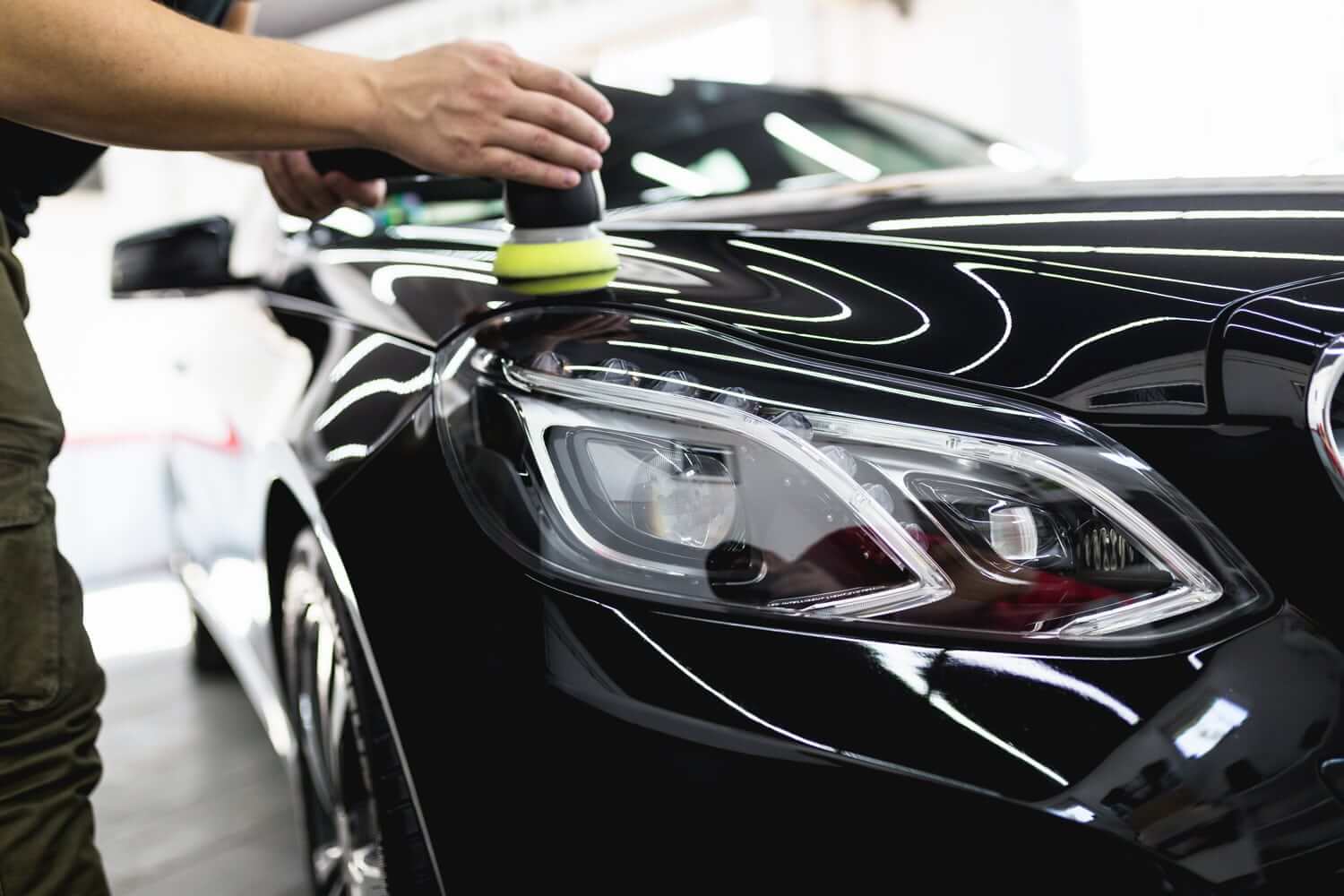
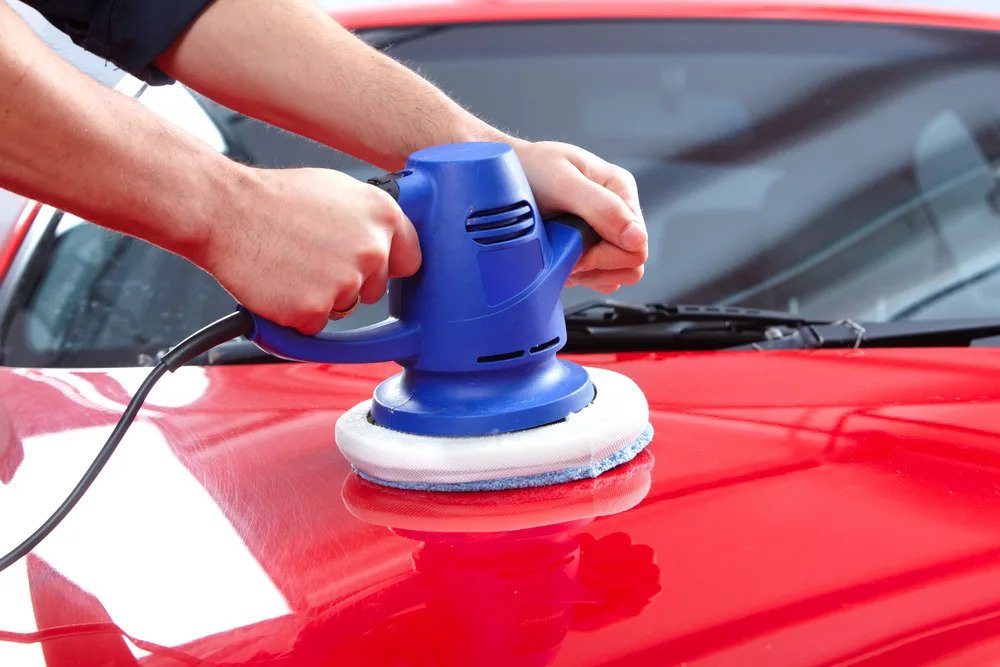
Yes, a dual action polisher with a soft pad works well. Keep speed low, use thin coats, and still buff off by hand.
Will waxing remove scratches?
Wax will not remove scratches. It can fill minor swirls for a short time. For real defect removal, use polish before waxing.
Is spray wax good enough?
Spray wax is great for quick upkeep and added slickness. For longer life, apply a liquid or paste wax as a base first.
Conclusion
Waxing is simple when you break it into clean steps: wash, decon, thin coats, cure, and buff. With the right tools and habits, you can protect your paint, save time on washes, and enjoy a deep glow. Start this weekend, try these tips, and track what works on your car and in your climate. If you found this guide on how to wax a car helpful, subscribe for more DIY detailing tips or drop a question in the comments.
1 thought on “How To Wax A Car: Pro Tips For A Mirror Shine 2026”