

Introduction
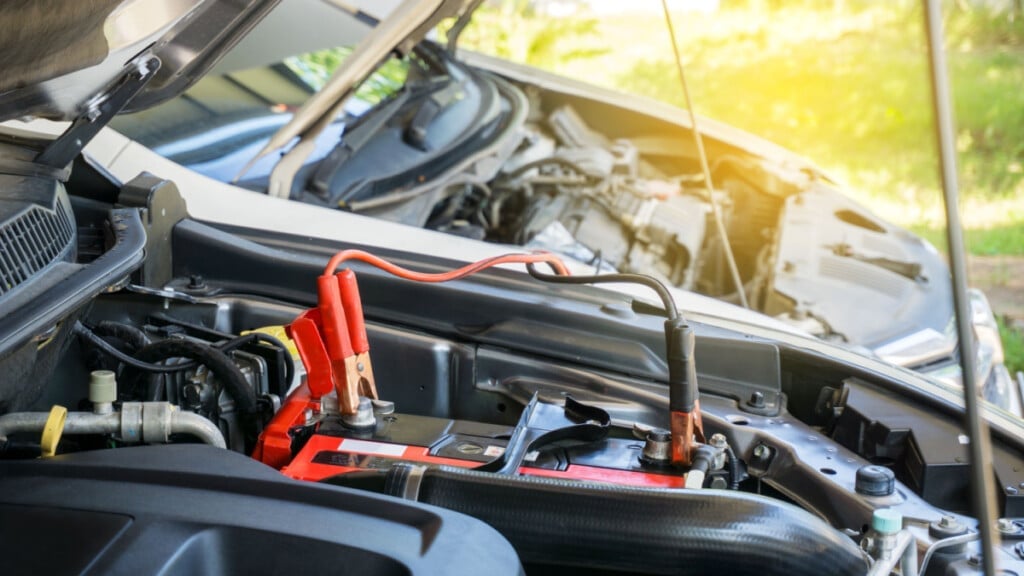
If your car battery will start the vehicle after charging or a jump-start but goes dead again hours or days later, the battery is either losing electrical energy while the car is parked, failing to accept or retain a charge, or not being recharged properly while you drive. In the United States, this problem is especially common after extreme summer heat, freezing winter weather, short commutes, long periods of storage, or repeated jump-starts.
The most likely causes are an aging battery, loose or corroded battery connections, a weak alternator, an electrical parasitic drain, or a battery damaged by deep discharge. Testing the battery and charging system in the correct order can prevent you from replacing a good battery unnecessarily.
This guide explains how to identify the cause, what voltage readings mean, when a replacement battery is necessary, and when professional electrical diagnosis is safer.
Source: Bing
The Most Common Reasons a Car Battery Will Not Hold a Charge
A battery that will not hold a charge does not always have a defective battery. The charging system and the vehicle’s electrical circuits must be checked together.
1. The battery is worn out
Lead-acid automotive batteries gradually lose capacity. Internal plates can sulfate, active material can deteriorate, and the battery may no longer store enough energy to crank the engine.
A battery may still show a normal voltage immediately after charging but fail under load. This explains why a battery can appear “charged” and still produce a slow click or no engine start.
Battery life varies according to:
- Climate and temperature extremes
- Driving frequency and trip length
- Vehicle vibration
- Charging voltage
- Battery type and quality
- Maintenance history
- The number of deep discharges
A commonly encountered service life is roughly three to five years, but that is only a general range—not a guarantee. A battery used in very hot conditions may fail earlier, while a lightly used vehicle may experience a different failure pattern.
2. The alternator is not charging the battery correctly
The alternator generates electrical power while the engine runs. It also replenishes energy used during starting and supplies power to the vehicle’s lights, computers, climate controls, and accessories.
A failing alternator may cause:
- A battery warning light
- Dimming or flickering headlights
- Slow electrical accessories
- A discharged battery after driving
- Engine stalling
- A burning rubber or electrical smell
- A loose, damaged, or slipping serpentine belt
A failed alternator can make a good battery appear defective. Replacing the battery without repairing the charging system usually results in another dead battery.
Modern vehicles may use a variable-output or “smart” charging system. Because of this, charging voltage is not always fixed at one number under every operating condition. A scan tool or vehicle-specific service procedure may be necessary for an accurate diagnosis.
3. A parasitic drain is discharging the battery while parked
A parasitic drain is electrical current consumed after the vehicle has been switched off and its systems should have entered sleep mode.
Some electrical use is normal. The vehicle may keep security systems, memory functions, telematics, or computers active. The problem occurs when a component remains awake or draws excessive current.
Frequent causes include:
- A glove-box, trunk, or vanity light that stays on
- An aftermarket alarm or remote starter
- A dash camera wired incorrectly
- A phone charger or accessory left connected
- An infotainment system that does not shut down
- A power liftgate or door module that fails to enter sleep mode
- A relay that remains stuck
- A computer module with a software or hardware fault
A vehicle may start normally in the morning but have a dead battery after sitting for several days. That pattern often points to a parasitic drain rather than a battery that suddenly failed.
4. Battery terminals or cables are loose or corroded
Corrosion and poor connections can restrict current flow between the battery, starter, alternator, and vehicle ground.
Look for:
- White, blue, or green buildup around the terminals
- A loose battery clamp
- Frayed or swollen battery cables
- A damaged ground strap
- Corrosion between a cable terminal and the cable itself
- Battery movement caused by a missing or loose hold-down
A poor connection can prevent proper charging and create intermittent starting problems. It can also produce heat during cranking.
5. The battery was deeply discharged
A battery can be damaged when it is completely drained, particularly if it remains discharged for an extended period. Sulfation may reduce the battery’s usable capacity, causing it to lose voltage soon after charging.
Common causes of deep discharge include:
- Leaving headlights on
- Leaving an interior light on
- Listening to the radio while the engine is off
- Storing the vehicle without a maintenance charger
- Repeatedly attempting to start an engine with another mechanical problem
- A parasitic drain
A standard charger may restore surface voltage without restoring the battery’s original capacity.
6. Extreme temperatures are affecting battery performance
High heat accelerates chemical and physical degradation inside a lead-acid battery. Cold weather reduces the battery’s available cranking power and makes the engine harder to turn.
A weak battery may appear acceptable in mild weather but fail during a cold spell. Similarly, a battery damaged by hot weather may not show its weakness until the next demanding start.
7. The replacement battery is incorrect or improperly installed
A battery can fail prematurely if it does not match the vehicle’s requirements. Important specifications include:
- Battery group size
- Cold-cranking rating
- Reserve capacity
- Battery chemistry, such as conventional flooded lead-acid or AGM
- Terminal position
- Venting requirements
- Battery registration or reset requirements on some vehicles
Vehicles equipped with start-stop systems may require an AGM or another specified battery type. Installing an incompatible battery can cause poor performance or shorten battery life.

Source: Bing
How to Tell Whether the Battery, Alternator, or Electrical System Is at Fault
The quickest way to narrow down the problem is to compare symptoms with test results. No single voltage reading proves that the battery is healthy.
| Symptom or test result | More likely cause |
|---|---|
| Battery goes dead while parked, but charging voltage is normal | Parasitic drain or aging battery |
| Battery dies again after a normal drive | Weak battery, alternator problem, or severe drain |
| Engine starts with a jump but dies shortly afterward | Charging-system fault, loose connection, or severely damaged battery |
| Battery voltage looks normal but the engine cranks slowly | Weak battery, poor cable connection, or starter problem |
| Headlights dim while driving | Alternator, belt, wiring, or connection problem |
| Battery terminal is hot after starting | High resistance at the terminal or cable |
| Battery warning light remains on | Charging-system fault |
| Battery case is swollen, cracked, leaking, or smells strongly of sulfur | Damaged battery; stop using it and seek service |
Check the battery’s resting voltage
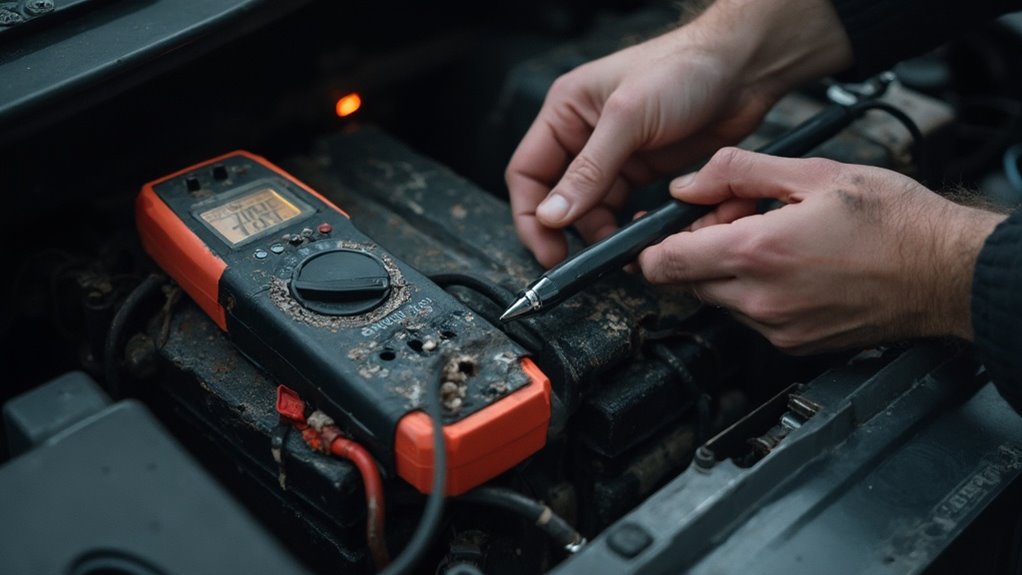
Use a digital multimeter across the positive and negative battery terminals with the vehicle switched off.
For a conventional 12-volt battery, approximate readings are:
- About 12.6 volts: fully charged under suitable resting conditions
- About 12.4 volts: partially charged
- About 12.2 volts: significantly discharged
- Below about 12.0 volts: deeply discharged
These figures are estimates, not pass-or-fail standards. Measure the battery after the vehicle has been off long enough for surface charge to dissipate, ideally several hours. A recently charged battery may temporarily read higher than its true resting condition.
Test the battery under load
A load test measures whether the battery can maintain adequate voltage while supplying substantial current. This is more meaningful than checking voltage alone.
Many parts stores in the United States offer battery testing, but the quality and procedure can vary. Ask whether the test evaluates both charge state and starting capacity. A battery may need to be charged before testing; otherwise, the result may simply indicate that it is discharged rather than defective.
Check charging voltage with the engine running
Measure voltage at the battery with the engine running, then compare the reading with the vehicle manufacturer’s specifications.
On many older conventional charging systems, a running voltage in the approximate mid-13 to mid-14-volt range may be typical. However, modern vehicles can intentionally vary alternator output. A reading outside that broad range is a reason for further diagnosis, not an automatic verdict.
Check for changes when:
- The headlights are switched on
- The blower motor is set to high
- The engine is held at a moderate speed
- Electrical loads are reduced
- The battery is cold versus warm
If the vehicle has a battery monitoring sensor or smart charging system, use the manufacturer’s procedure rather than relying only on a generic voltage range.
Inspect cables and grounds
Turn the vehicle off and inspect the battery connections. The clamps should be tight enough that they cannot be rotated by hand. Do not force a damaged terminal.
Inspect the negative cable where it connects to the body and engine. A poor engine ground can create symptoms that resemble a bad battery or starter.
A voltage-drop test performed while cranking or charging can identify resistance that a visual inspection misses. This test is best performed with appropriate equipment because high-current circuits can produce sparks and heat.
Source: Bing
Step-by-Step Troubleshooting Sequence
Follow this order to avoid replacing parts based on symptoms alone.
Step 1: Check for immediate safety problems
Do not charge or use a battery that is:
- Cracked
- Leaking fluid
- Swollen or severely deformed
- Hot to the touch
- Producing an unusual sulfur or rotten-egg odor
- Frozen
A frozen battery can be dangerous to charge because internal ice may have damaged the case or plates. Allow it to thaw safely and have it inspected.
Wear eye protection when working near a battery. Keep sparks, cigarettes, open flames, and metal tools away from the terminals.
Step 2: Confirm that the battery is fully charged
If the battery is discharged, charge it with a charger designed for the correct battery type. Follow the charger and vehicle instructions.
A jump-start is not a substitute for fully charging the battery. Driving for a short time may not restore the energy used during starting, especially if the alternator is supplying other electrical loads.
Step 3: Inspect and clean the connections
With the ignition off, check the positive and negative terminals, cable ends, ground straps, and battery hold-down.
Clean only minor external corrosion using appropriate battery-terminal cleaning equipment and protective gear. Disconnecting a battery can erase radio presets, adaptive settings, or computer memory in some vehicles. Some vehicles also require a battery-management reset after replacement.
If the cable is swollen, brittle, damaged, or heavily corroded beneath the insulation, cleaning the exposed terminal may not solve the problem.
Step 4: Test the battery
Have the battery tested after it has been charged. Request a conductance or load test that evaluates starting capability.
If the battery fails the test, replacement is usually the appropriate solution. If it passes, continue testing rather than assuming the battery is the cause.
Step 5: Test the alternator and charging system
Check alternator output, belt condition, wiring, fuses, grounds, and the battery monitoring system where applicable.
A charging-system test should account for the vehicle’s design. A modern alternator may reduce output under certain conditions and increase output when the battery needs charging or electrical loads rise.
Step 6: Test for a parasitic drain
A parasitic-draw test requires the vehicle to be fully shut down and allowed to enter sleep mode. The wait time differs by vehicle and may range from several minutes to longer.
A technician typically measures current draw with a suitable meter or uses a current clamp. Pulling fuses one at a time may help identify the affected circuit, but it can also wake modules, erase settings, or interfere with vehicle systems.
Do not disconnect a battery or place a standard multimeter incorrectly across the battery terminals while the vehicle is operating. This can damage the meter or vehicle electronics.
Step 7: Recheck the result after repair
After replacing the battery, repairing the alternator, or correcting a drain, confirm that:
- The engine starts normally after sitting overnight
- The battery remains charged after several days
- Charging voltage or charging-system data matches the vehicle’s specifications
- No battery or charging warning light remains illuminated
- Accessories shut down as expected

Source: Bing
What to Do If the Car Battery Dies Again After a Jump-Start
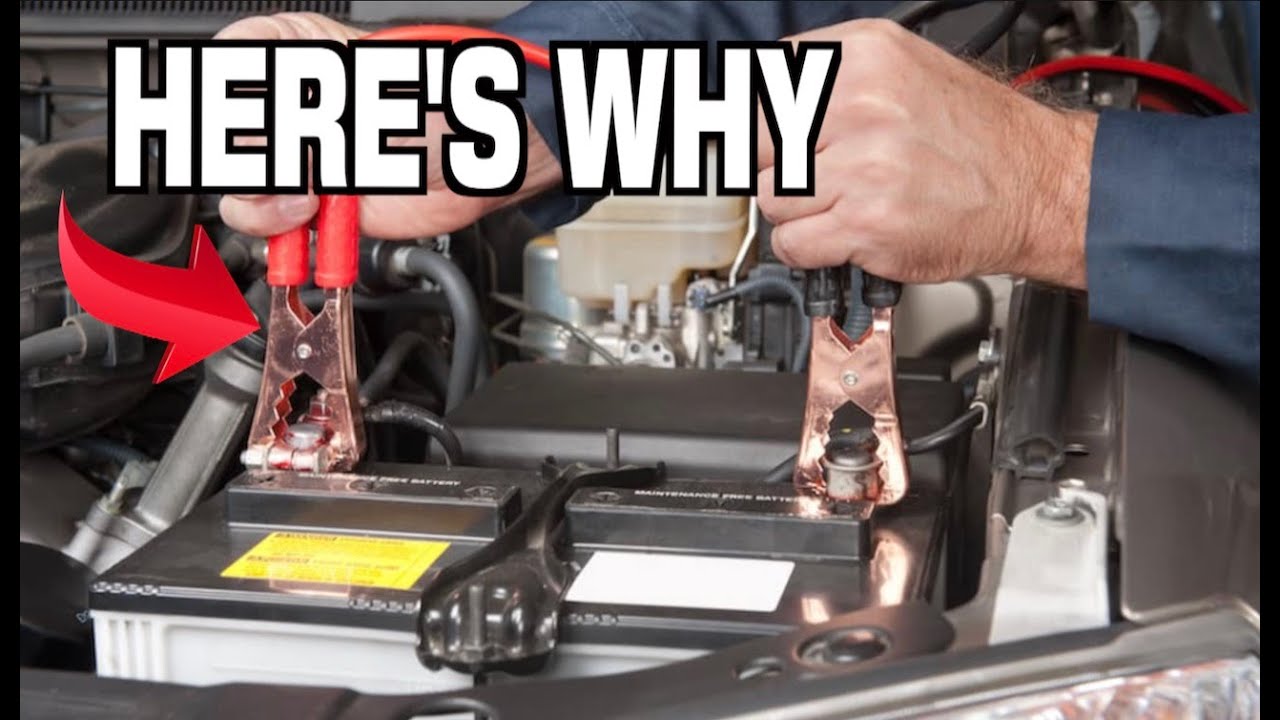
A jump-start only provides enough energy to start the engine. It does not identify why the battery went dead.
After a safe jump-start:
- Turn off unnecessary electrical accessories.
- Drive only if the vehicle appears to be charging normally and it is safe to do so.
- Avoid switching the engine off in an isolated location until the cause is known.
- Have the battery and charging system tested as soon as possible.
- If the battery warning light is on, the lights are dimming, or the engine begins to run poorly, stop driving and arrange professional assistance.
Do not rely on extended idling to recharge a severely discharged battery. Idling may provide limited charging and may not restore the battery adequately.
If the engine starts with a jump but will not stay running, the issue may involve the alternator, a battery with an internal failure, fuel or ignition problems, or a separate engine-management fault.

Source: Bing
When You Should Replace the Battery
Replace the battery when it fails a properly performed capacity or load test, has physical damage, or cannot maintain charge after the charging system and parasitic drain have been ruled out.
Battery replacement is particularly likely when:
- The battery is several years old and repeatedly goes dead
- The engine cranks slowly even after a full charge
- Voltage drops rapidly after charging
- A load test shows inadequate starting capacity
- The case is swollen, cracked, or leaking
- The battery has suffered repeated deep discharges
- The battery warning and charging tests indicate the battery itself cannot accept or retain energy
Choose a replacement that matches the vehicle manufacturer’s specifications. The correct group size and terminal arrangement matter, but so do starting capacity and battery chemistry.
On some newer vehicles, the battery must be registered or coded after installation. This allows the battery-management system to adjust charging and energy use. Check the owner’s manual or service information before replacement.
Dispose of the old battery through an appropriate recycling or retailer take-back program. Automotive lead-acid batteries contain recoverable materials and should not be placed in ordinary household trash.

Source: Bing
Common Mistakes That Make the Problem Worse
Replacing the battery without testing the alternator
A defective alternator can discharge a new battery. Always check charging performance if the battery dies after driving.
Assuming a jump-start proves the battery is bad
A jump-start proves only that an external power source helped the vehicle crank. The battery, cables, starter, alternator, or electrical system may still be responsible.
Driving briefly after every jump-start
Short trips may not replace the energy used during starting. Repeatedly doing this can leave the battery undercharged and accelerate deterioration.
Measuring voltage immediately after charging
Surface charge can make a weak battery look healthy. Allow the battery to rest before evaluating resting voltage, then perform a load or conductance test.
Ignoring accessories installed after the vehicle was purchased
Dash cameras, remote starters, stereos, alarms, GPS trackers, and auxiliary lighting are frequent sources of battery drain when installed incorrectly or when a component fails.
Cleaning only the visible corrosion
Corrosion inside a cable end or at a ground connection may continue to restrict current even after the terminal looks clean.
Source: Bing
Frequently Asked Questions
Can a completely dead car battery be recharged?
Sometimes. A charger may restore a battery that was accidentally discharged, but deep discharge can permanently reduce capacity. If the battery will not accept a charge, becomes hot, or fails a load test, replace it or have it professionally evaluated.
How long should a car battery hold a charge when the car is off?
A healthy, fully charged battery should generally remain capable of starting the vehicle after sitting for days or longer under normal conditions. The result depends on the vehicle’s standby electrical use, battery age, temperature, and the condition of the battery. A battery that dies overnight needs prompt testing.
Can a bad alternator ruin a new battery?
Yes. If the alternator undercharges the battery, the battery may remain chronically depleted. If the alternator or regulator overcharges it, excessive voltage and heat can damage the battery and vehicle electronics.
Why does my battery die only in the morning?
Overnight failure may indicate an aging battery, low temperatures, a light or module that stays on, or a parasitic electrical drain. Test the battery after charging and measure the vehicle’s off-state current draw if the battery passes.
Will driving recharge a dead battery?
Driving can replenish some energy, but it may not fully recharge a deeply discharged battery. A proper charger is usually more reliable, and the battery should still be tested if it repeatedly loses charge.
Is it safe to disconnect the battery to stop a parasitic drain?
Disconnecting the battery may prevent discharge temporarily, but it can erase vehicle settings, disable alarms, or create other issues. It is better to diagnose the affected circuit. Disconnect the battery only when the owner’s manual or a qualified technician confirms the procedure is appropriate.
Conclusion
A car battery that will not hold a charge may be defective, but the same symptom can result from a weak alternator, corroded connections, a parasitic drain, extreme temperatures, or damage caused by deep discharge. Start with a full charge, inspect the terminals and grounds, test the battery under load, and then verify the charging system and parked-current draw.
If the battery is swollen, leaking, frozen, or unusually hot, stop using it. For modern vehicles with smart charging, battery sensors, start-stop systems, or extensive aftermarket electronics, professional diagnosis can prevent damage and avoid replacing the wrong component.