

Turn off car, disconnect negative, swap battery, connect positive, secure hold-down, test.
If you want to learn how to change car battery the right way, this guide walks you through every step with clear advice, safety checks, and pro tips. I’ve changed hundreds of batteries in shops and driveways, and I’ll show you what matters, what to avoid, and how to finish fast without losing settings or damaging your car.

What you need before you start
Choosing the right tools and a correct replacement makes the job smooth and safe.
- Socket set with extensions and a wrench. Many cars use 10 mm for clamps.
- Battery terminal brush or small wire brush to clean corrosion.
- Dielectric grease or anti-corrosion spray for terminals.
- Safety glasses and gloves. Acid and sparks are real risks.
- Memory saver (OBD or 12 V accessory cable) if you want to keep settings.
- Baking soda and water mix for neutralizing corrosion.
- Paper towels or rags. Battery handle or strap is helpful.
- A multimeter to check voltage before and after the swap.
Pick the correct battery using your owner’s manual or the old battery label.
- Group size. This sets the case size and terminal layout.
- Cold Cranking Amps (CCA). Match or exceed the factory spec.
- Reserve Capacity (RC). More RC helps during short trips and cold starts.
- Type. Flooded, EFB, or AGM. Cars with start-stop often require EFB or AGM.
If your goal is how to change car battery with zero hiccups, get the right group size and type first. It prevents fitment issues and avoids warning lights later.
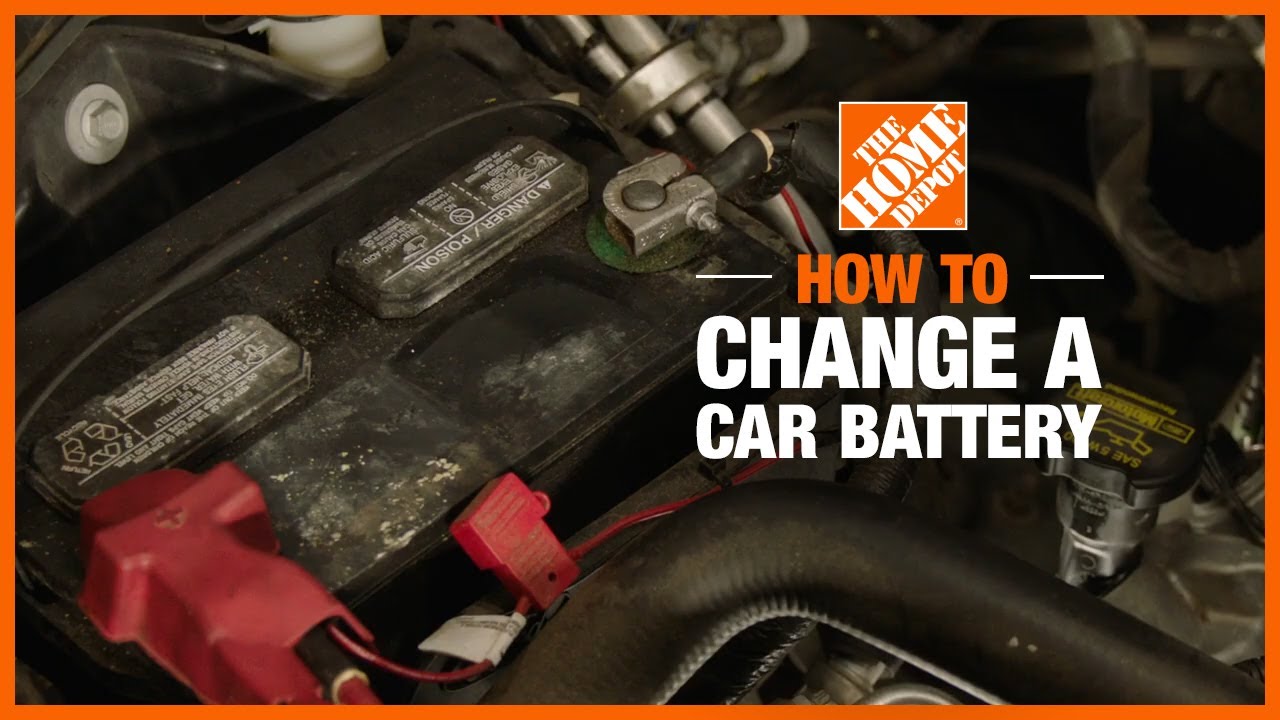
Safety first: protect yourself and the car
Batteries store high current and contain acid. A small mistake can cause burns or a short.
- Work in a well-ventilated area away from flames and smoking.
- Wear eye protection and gloves. Avoid loose jewelry and metal watches.
- Turn the ignition off, remove the key, and set the parking brake.
- Always disconnect the negative (black) cable first; reconnect it last.
- Keep tools from touching both terminals at the same time.
- If the car has an Intelligent Battery Sensor (IBS) on the negative cable, handle with care and reconnect exactly as designed.
- If you use a memory saver, plug it in before disconnecting any cables and make sure doors stay closed so lights do not drain it.
These steps are simple but vital. They are the backbone of how to change car battery safely.
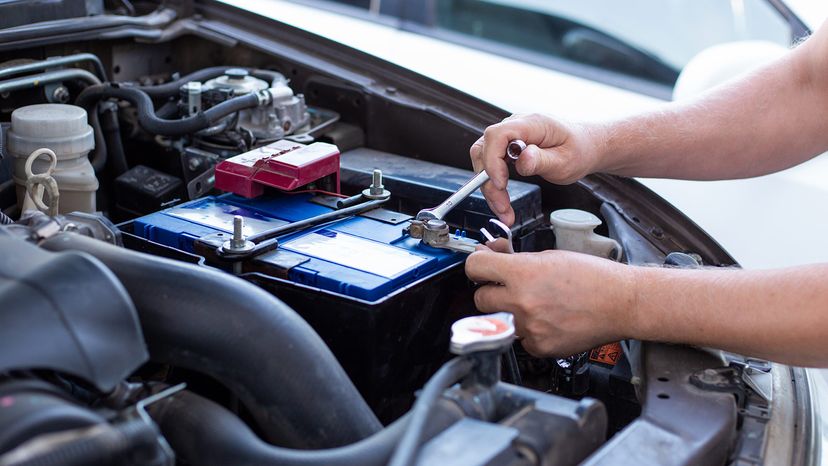
Step-by-step: how to change car battery
Follow these steps to remove the old unit and install the new one without trouble.
- Prepare the car
Park on level ground. Turn everything off. Open the hood and find the battery or the jump posts if the battery is remote. - Save settings (optional)
Connect a memory saver to the OBD port or 12 V outlet. This helps keep radio presets, clock, and power window memory. - Inspect and record
Take a photo of the battery, terminals, and hold-down. It helps you match the orientation and cable routing. - Clean the area
Brush off loose dirt. If there is crusty buildup, use baking soda and water to neutralize it. Wipe dry. - Disconnect negative first
Loosen the negative clamp and remove it from the post. Tuck it aside so it cannot snap back. - Disconnect positive second
Remove the red positive clamp. Keep the terminal from touching metal parts. - Remove the hold-down
Undo the bracket, strap, or clamp that locks the battery in place. - Lift out the old battery
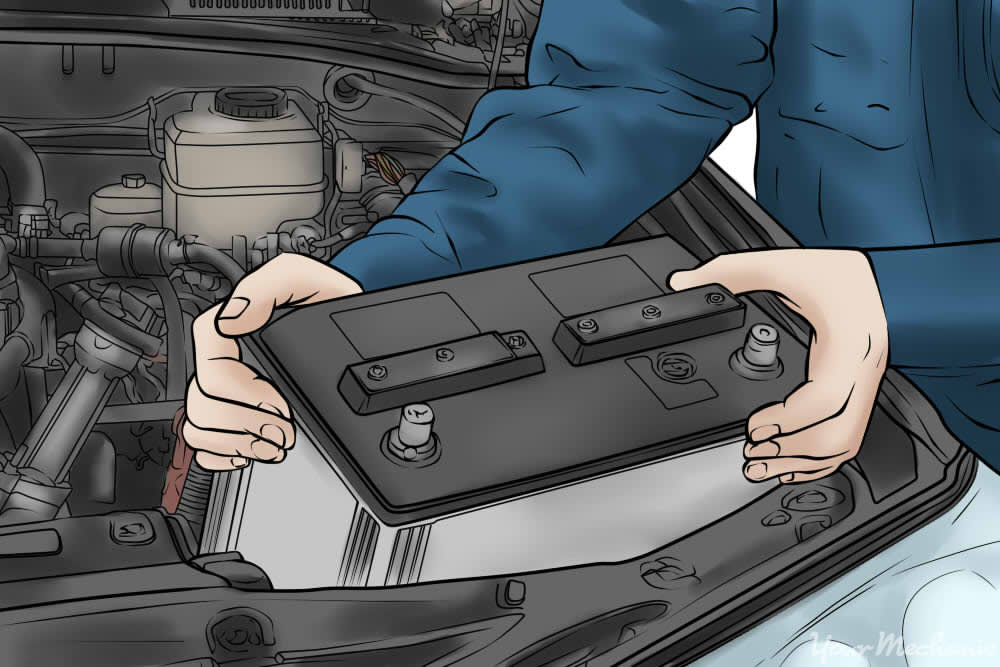
Batteries are heavy. Use a proper handle or lift with care. Keep it upright to prevent spills. - Clean the tray and hardware
Remove rust and debris. Clean and dry the hold-down and clamps. Replace damaged cables if needed. - Place the new battery
Match the orientation to your photo. Seat it flat in the tray. Check that vents and hoses (AGM/EFB) line up if equipped. - Secure the hold-down
Tighten the hold-down snugly so the battery does not move. Do not over-tighten. - Apply protection
Lightly coat posts with dielectric grease or anti-corrosion spray. - Connect positive first
Install and snug the positive clamp. It should not twist by hand. - Connect negative last
Reconnect the negative clamp. Ensure a firm, clean contact. - Final checks
Start the engine. Confirm lights are steady and cranking is strong. Check charging voltage with a multimeter; 13.7–14.7 V with engine running is normal. - Restore settings
Reset the clock and radio if needed. For auto-up windows, hold the switch up for a few seconds to relearn.
In my experience, the most common issue after learning how to change car battery is a loose clamp. If the car cranks slowly after the swap, recheck clamp tightness and clean contact surfaces.
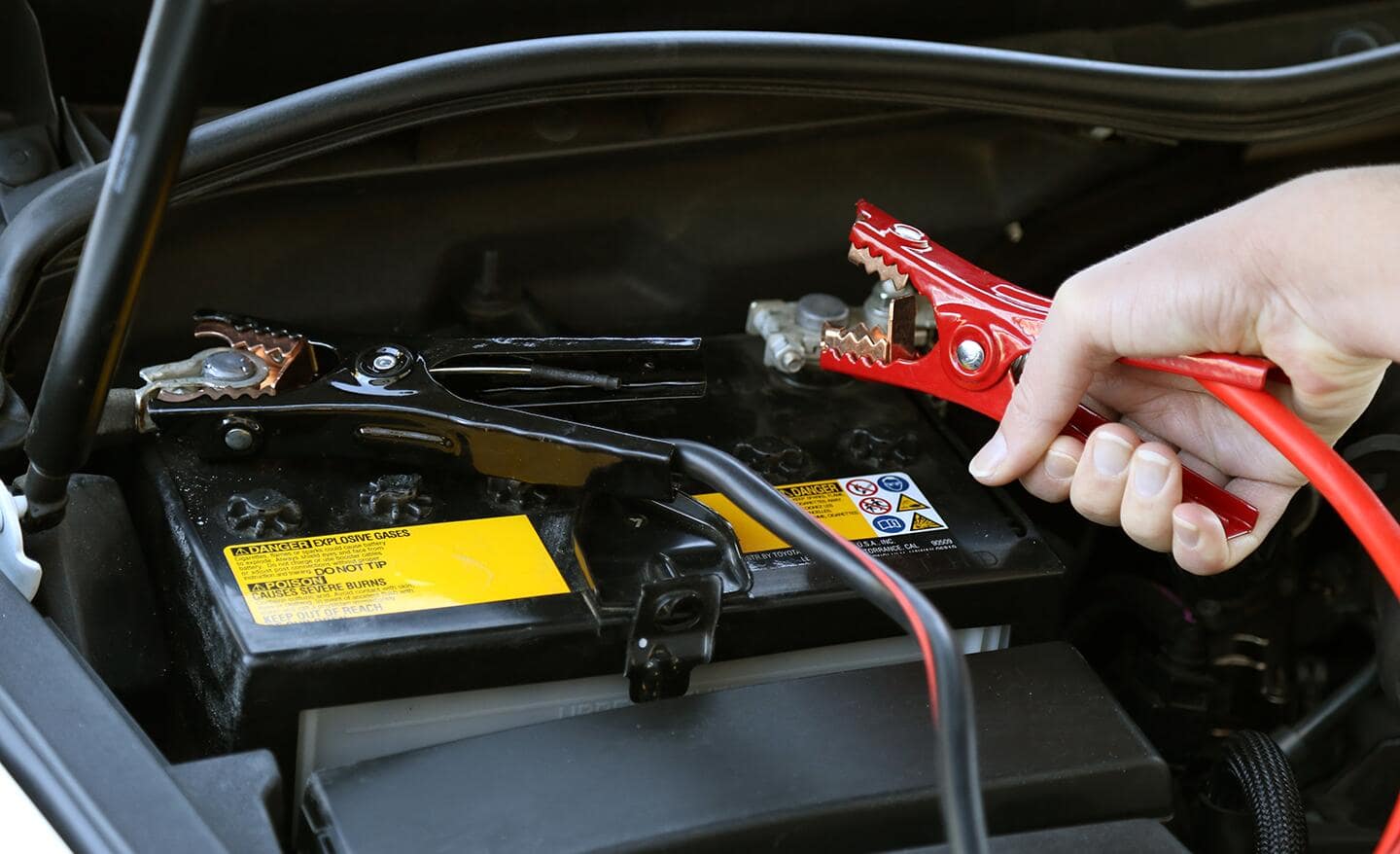
Special cases and common variations
Some cars add extra steps. Match your approach to your vehicle’s design.
- Trunk or under-seat batteries
Use remote under-hood posts to disconnect and reconnect. Vent tubes must be attached and routed outside the cabin. - Start-stop systems (EFB/AGM)
Replace like-for-like. Swapping an AGM with a standard flooded type can cause early failure and charging issues. - Battery registration and sensors
Many European and some domestic cars need battery registration with a scan tool. This tells the charging system the new battery is installed and prevents overcharge. Follow service data for IBS-equipped vehicles. - Tight spaces and covers
Remove plastic covers, bars, or air ducts as needed. Note fastener locations. Take photos before and during removal. - Hybrids and EVs
This guide covers the 12 V battery only. Never touch high-voltage parts. Use the service manual and manufacturer steps.
These points are key if you want a complete view of how to change car battery on modern vehicles.
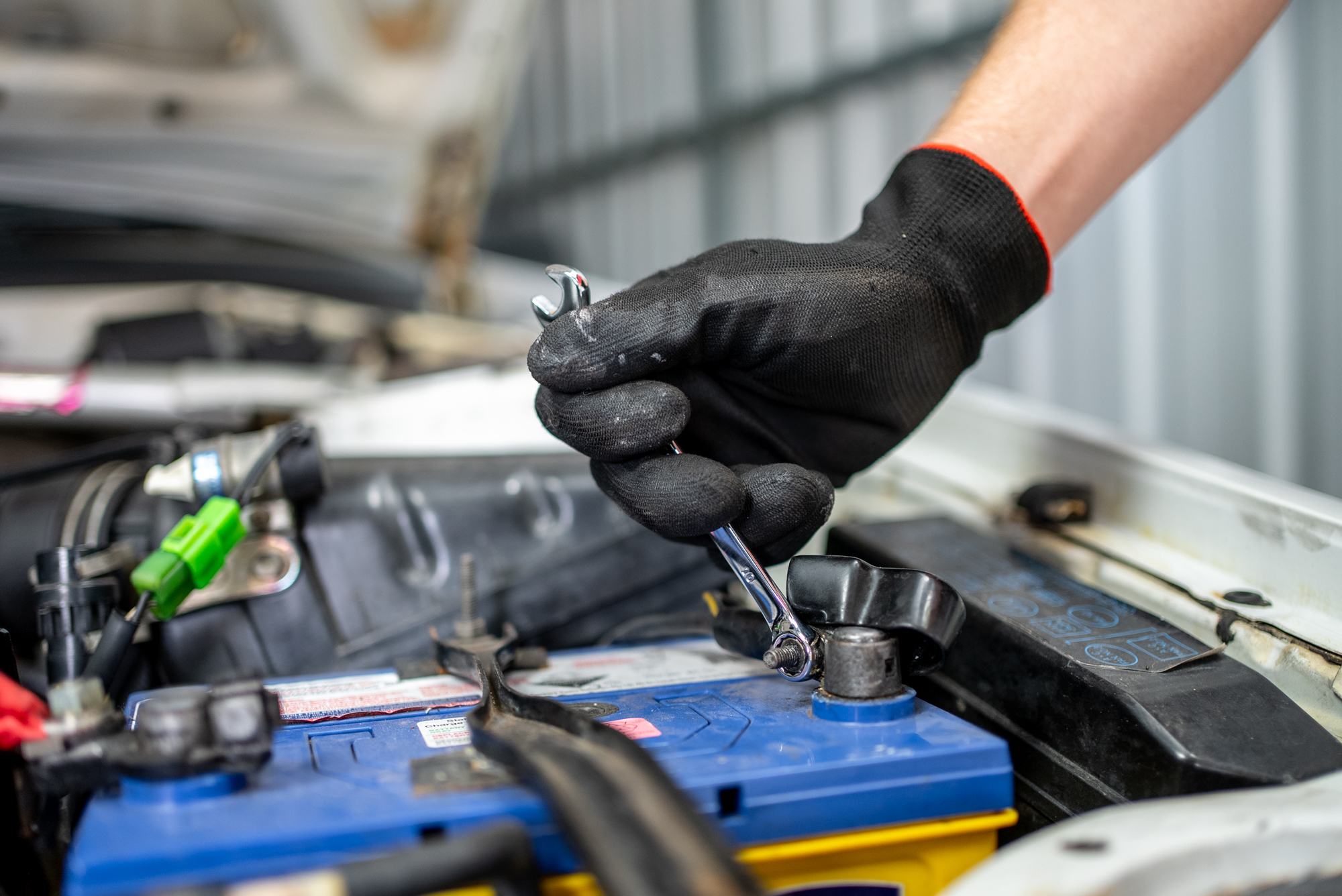
Troubleshooting after replacement
If something feels off, work through these quick checks.
- No crank or rapid clicking
Clamps may be loose or dirty. Clean and tighten. Verify the new battery was charged. Check the negative cable-to-chassis ground. - Dim lights or warning lights
Check alternator output. A healthy system shows about 13.7–14.7 V running. If low, the alternator or belt may be the issue. - Alarm blares or radio locked
Use the key fob to disarm. Some radios need a code or a reset. Check the owner’s manual. - Power windows or sunroof misbehave
Initialize by closing fully and holding the switch up for a few seconds. Repeat for each window. - Check engine or stop-start light
On cars that require battery registration, use a capable scan tool. Clear codes after registering the new battery.
These steps often solve post-install issues linked to how to change car battery at home.
Cost, time, and warranty tips
Know the numbers so you can plan and compare.
- Parts cost
Standard flooded batteries: about $100–$180. EFB/AGM: about $160–$350, depending on size and brand. - Labor and time
DIY takes 20–45 minutes in most cars. Shops charge about $30–$100 for labor depending on access and registration. - Warranty
Common terms are 2–5 years. Keep the receipt and note the in-service date on the case with a marker. - Health checks
A fully charged battery reads about 12.6–12.8 V at rest. If it drops below 12.3 V after sitting overnight, charge and retest.
Budgeting this way makes how to change car battery a predictable, low-stress task.

How to recycle and dispose safely
Batteries are hazardous waste and must be recycled.
- Most parts stores take your old battery and give a core charge refund.
- Transport upright in a box or tray. If acid leaks, neutralize with baking soda and rinse the area.
- Never throw a battery in the trash. Use a certified recycler or a store take-back program.
- Remove jewelry first. Acid and current do not mix.
Recycling is the last step in how to change car battery the right way.
Maintenance to extend battery life
Good habits can add years to your battery.
- Drive longer trips each week. Short hops do not recharge well.
- Keep terminals clean and dry. Reapply anti-corrosion spray after washes.
- Avoid deep drains. Turn off lights and chargers when parked.
- Use a smart maintainer if the car sits for weeks.
- In extreme heat or cold, test the battery more often. Replace at the first sign of slow cranking.
Follow these tips and you will do how to change car battery far less often.
Common mistakes to avoid
These errors cause most roadside calls I see.
- Reversing polarity
Positive to positive and negative to negative. Double-check before tightening. - Skipping the hold-down
A loose battery can vibrate, crack plates, and cut its life short. - Mixing battery types
Do not replace AGM with a standard flooded unit in a start-stop car. - Ignoring registration
On cars that need it, skipping registration shortens battery life and triggers warnings. - Over-tightening clamps
Tight is right. Crushing posts can crack the case.
Avoid these pitfalls and you will master how to change car battery with confidence.
Frequently Asked Questions of how to change car battery
How long does it take to change a car battery?
Most DIY swaps take 20–45 minutes. Tight spaces or extra covers can add time.
Do I need a memory saver to change my battery?
No, but it helps keep presets and avoids relearning windows. You can still reset settings by hand.
Can I change a battery in a start-stop car myself?
Yes, if you use the correct EFB or AGM type and register the new battery when required. A scan tool may be needed.
What voltage should I see after installing a new battery?
At rest, about 12.6–12.8 V. With the engine running, about 13.7–14.7 V indicates normal charging.
Why connect positive first and disconnect negative first?
This reduces the risk of shorting the wrench to body metal. It is a simple rule that prevents sparks and damage.
How often should I replace my car battery?
Most last 3–5 years. Heat, short trips, and heavy accessory use can shorten that window.
Conclusion
You now know how to change car battery from start to finish, with the right prep, safe steps, and smart checks after the swap. Choose the correct battery, clean and secure all connections, and confirm a healthy charge. That simple system prevents most problems.
Put this guide to work on your next battery change, or bookmark it for later. If you found this helpful, share it with a friend, subscribe for more practical car care guides, or leave a question and I’ll help you solve it.
1 thought on “How To Change Car Battery: Step-By-Step Guide For 2026”