

Connect a charger to the battery terminals, set the correct voltage and amperage, and let it charge until full. That sinking feeling when you turn the key and hear nothing but a click is a universal driver’s nightmare. For many, a dead car battery seems like a complex problem requiring a mechanic. However, with the right knowledge and tools, learning how to charge a car battery is a straightforward skill that can save you time, money, and stress.
As an automotive enthusiast who has revived countless batteries over the years, I’ve created this definitive guide to walk you through the entire process safely and effectively, transforming you from a stranded driver into a self-sufficient problem-solver.
Understanding Your Car Battery: The Basics
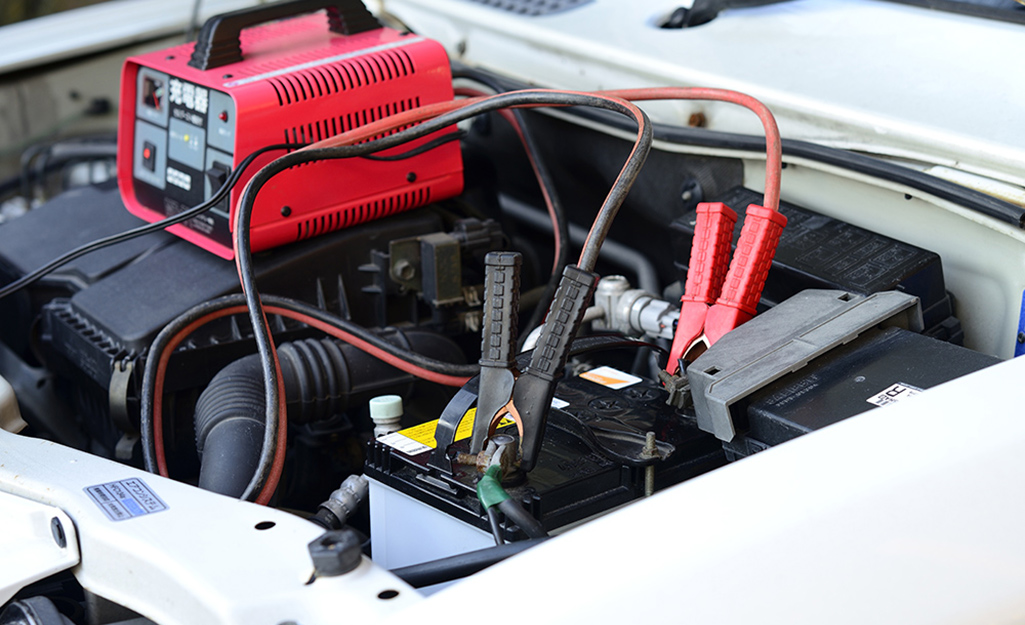
Before you can properly learn how to charge a car battery, it’s helpful to understand what you’re working with. Your car’s battery is the heart of its electrical system, providing the initial jolt of power needed to start the engine and run electronics when the engine is off. Most cars use a 12-volt lead-acid battery, though some newer models may use Absorbed Glass Mat (AGM) or lithium-ion types.
A battery can lose its charge for several reasons. You might have accidentally left the headlights or an interior dome light on. Extreme cold weather can also sap its power, as chemical reactions inside the battery slow down significantly. Sometimes, the issue is simply age; most car batteries have a lifespan of 3 to 5 years. Understanding why your battery died can help you prevent it from happening again.
Essential Tools and Safety Precautions
Safety should always be your top priority when working with car batteries. They contain corrosive sulfuric acid and can release flammable hydrogen gas. I once saw a friend get a nasty spark by carelessly connecting cables, which was a stark reminder to never skip the safety steps. It’s a simple routine that ensures the job gets done without any unwelcome surprises.
Here is the essential gear you’ll need:
- A quality car battery charger.
- Safety glasses to protect your eyes.
- Gloves to protect your hands from acid and dirt.
- A clean, dry cloth or a wire brush for cleaning terminals.
Before you begin, always work in a well-ventilated area, like an open garage or driveway, to allow any potential gases to dissipate. Turn off the charger and unplug it before making any connections. Most importantly, inspect the battery for any signs of damage, such as cracks, leaks, or bulging. If you see any of these, do not attempt to charge it; the battery needs to be replaced.

Step-by-Step Guide: How to Charge a Car Battery with a Charger
Using a dedicated battery charger is the most reliable and effective method for reviving a dead battery. It provides a steady, controlled current that restores the battery to its full capacity. This process is far better for the long-term health of your battery than a simple jump-start. Here is the definitive guide on how to charge a car battery correctly.
- Prepare the Area and Battery. Park your vehicle on a flat surface and engage the parking brake. If possible, disconnect the battery by removing the negative (black) cable first, followed by the positive (red) cable. This isolates the battery and protects your car’s electronics. Use a wire brush or terminal cleaner to scrub away any corrosion from the battery posts.
- Connect the Charger. This is the most critical step. Connect the red (positive) clamp from the charger to the positive (+) terminal on the battery. Then, connect the black (negative) clamp from the charger to the negative (-) terminal. If charging the battery while it is still in the car, connect the black clamp to an unpainted metal surface on the car’s chassis, away from the battery. This grounds the connection and prevents sparks near the battery itself.
- Set the Charger Settings. Modern smart chargers often detect the battery’s voltage and condition automatically. If your charger requires manual settings, select the 12-volt option. You may also be able to choose the amperage, or charging rate. A lower rate (around 2 amps), often called a trickle charge, is slower but better for the battery’s health.
- Start Charging. Plug the charger into a wall outlet and turn it on. The charger’s display should indicate that it is charging. Many chargers have lights or a digital screen showing the charging progress.
- Monitor and Wait. The time it takes to charge a car battery depends on its size, how depleted it is, and the charger’s amperage. A full charge can take anywhere from 4 to 24 hours. Most modern chargers will automatically switch to a “maintenance” or “float” mode once the battery is full to prevent overcharging.
- Disconnect Safely. Once the battery is fully charged, turn off and unplug the charger from the wall first. Then, remove the black (negative) clamp, followed by the red (positive) clamp. Reconnect the battery terminals to your car if you removed them, starting with the positive cable first, then the negative.
Charging a Car Battery Without a Charger: Jump-Starting
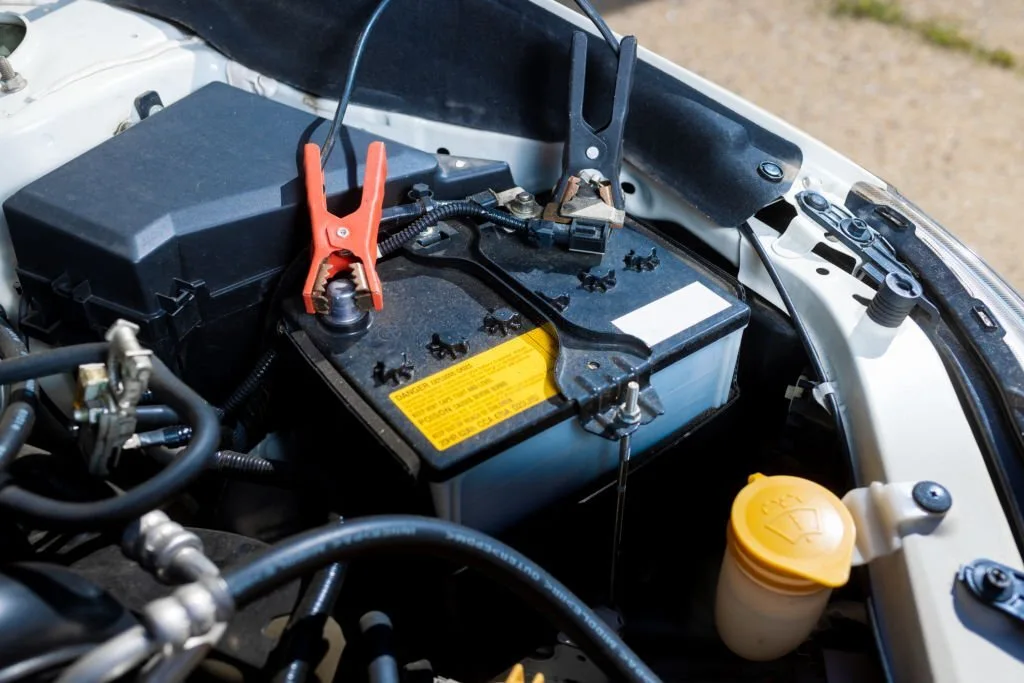
Sometimes you don’t have a charger and just need to get your car running. In this case, a jump-start using another vehicle is your best option. It’s important to remember that a jump-start doesn’t actually charge the battery; it simply provides enough power to start your engine. Your car’s alternator will then take over and begin to charge the battery as you drive.
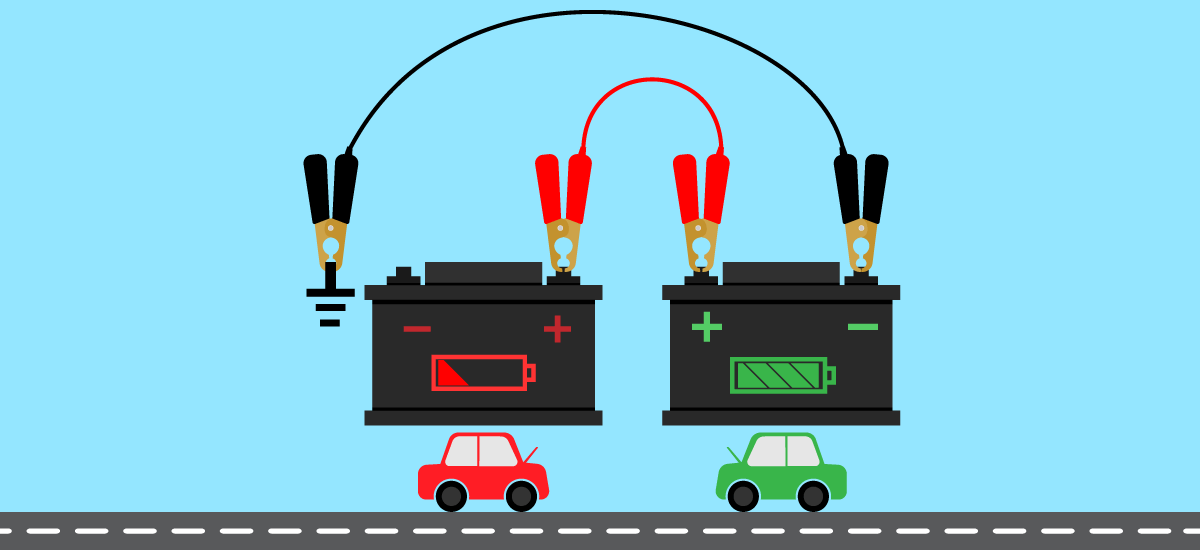
To perform a jump-start, you’ll need a set of jumper cables and a car with a healthy battery. Park the cars close enough for the cables to reach but ensure they are not touching. Turn both vehicles off. Connect the cables in this specific order: red clamp to the positive terminal of the dead battery, red clamp to the positive terminal of the good battery, black clamp to the negative terminal of the good battery, and finally, the last black clamp to an unpainted metal surface on the car with the dead battery.
Start the working vehicle, let it run for a few minutes, and then try to start the car with the dead battery. Once it starts, let it run for at least 20-30 minutes to allow the alternator to recharge the battery.
How Long Does It Take to Charge a Car Battery?
The question of how long it takes to learn how to charge a car battery is one thing, but the actual charging time is another. The charging duration varies significantly based on two main factors: the charger’s amperage (amps) and the battery’s state of charge. A standard car battery has around 48 amp-hours of capacity.
A slow, or trickle, charge at 2 amps could take 24 hours to fully charge a depleted battery. A more standard charge rate of 4-6 amps might take 8-12 hours. Some chargers offer a “fast charge” option at 10 amps or more, which can get the job done in 3-4 hours, but using this method too often can shorten the battery’s lifespan. For optimal battery health, a slow and steady charge is always the best approach.

Frequently Asked Questions
How do I know if my car battery is fully charged?
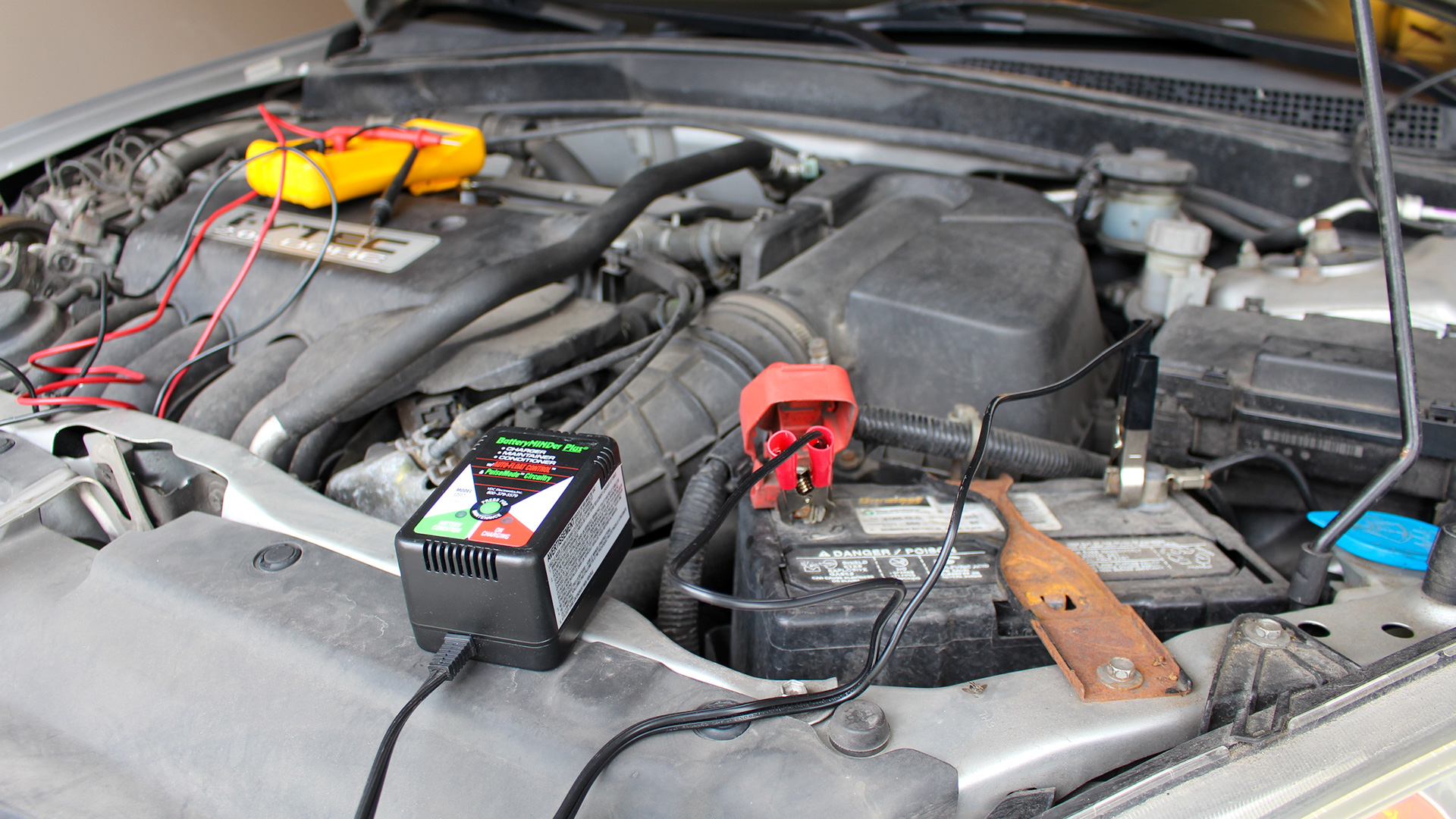
Most modern battery chargers have an indicator light that turns green or a digital display that reads “Full” or “100%”. You can also use a multimeter to check the voltage; a fully charged 12-volt battery should read around 12.6 volts or higher.
Can I overcharge my car battery?
With older, manual chargers, it is possible to overcharge and damage a battery. However, most modern “smart” chargers are designed to automatically switch to a maintenance mode once the battery is full, preventing any risk of overcharging.
Is it safe to charge a car battery while it’s still in the car?
Yes, it is generally safe to charge a battery while it is installed in the vehicle. Just be sure to follow the proper connection procedure, especially connecting the negative clamp to the chassis instead of the battery’s negative terminal to minimize spark risk.
What’s the difference between a battery charger and a tender?
A battery charger is designed to recharge a dead or depleted battery. A battery tender, or maintainer, provides a very low-amperage charge to keep a fully charged battery topped off during long periods of storage, preventing it from losing its charge.
Why won’t my car battery hold a charge?
If you’ve charged your battery but it dies again quickly, it may have reached the end of its life and can no longer hold a sufficient charge. Other potential causes include a faulty alternator that isn’t recharging the battery while you drive or a parasitic drain from an electrical component.
Conclusion
Mastering how to charge a car battery is a fundamental skill that empowers you as a vehicle owner. It demystifies a common car problem and equips you with the confidence to handle it yourself. By prioritizing safety, using the right tools, and following the correct procedures, you can ensure your vehicle is always ready to go.
Now that you have the knowledge, consider adding a reliable smart charger to your garage toolkit. It’s a small investment that offers incredible peace of mind and can save you from being stranded at the most inconvenient times. What are your own experiences with dead batteries? Share your stories or ask any lingering questions in the comments below
2 thoughts on “How To Charge A Car Battery: Easy Guide for Beginners”