

Blot with warm water, then use alcohol or tar remover, and protect with wax.
Stubborn sap can dull paint, leave stains, and ruin a weekend wash. In this guide, I’ll walk you through how to remove sap from car paint and glass like a pro. I’ll share what works, what to avoid, and the simple steps I use in detailing sessions to get clean, glossy results without harming your clear coat.
Why tree sap is tough on paint
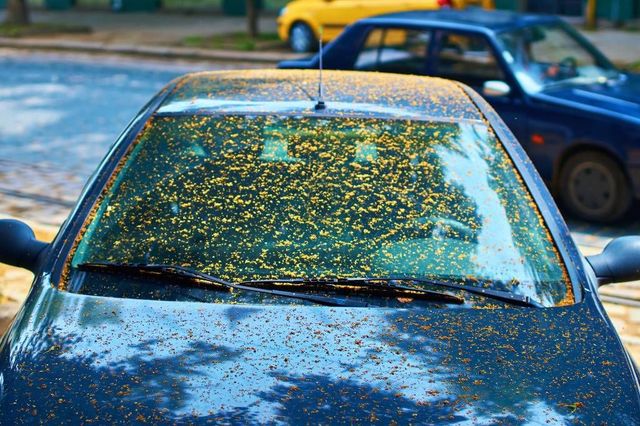
Tree sap is sticky like honey and hardens like glass. Sun and heat bake it into the clear coat. Over time, it can etch the surface and leave dull spots.
Fresh sap is easier to lift. Old sap needs more softening and patience. Knowing this helps you decide how to remove sap from car surfaces with less risk.
Tree types matter too. Pine can be extra resinous. Maple can smear. The plan below covers both fresh and cured spots.
Tools and supplies you will need
Gather your kit first. Having the right tools makes how to remove sap from car safe and simple.
- Two clean buckets, car wash soap, and a hose or pressure washer
- Plush microfiber towels and a soft microfiber wash mitt
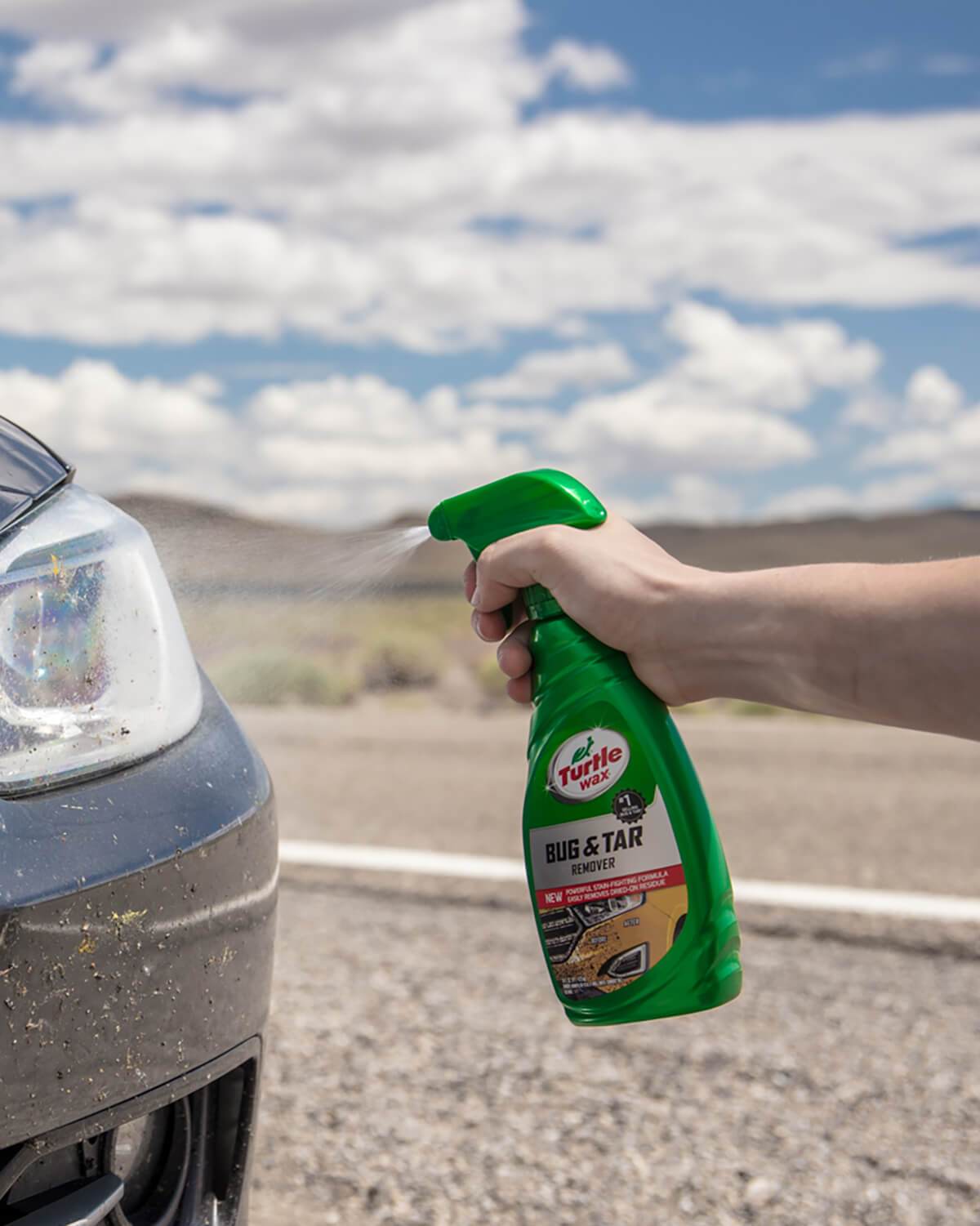
- Isopropyl alcohol 70–91 percent or a dedicated bug and tar remover
- Clay bar or synthetic clay mitt and clay lubricant
- Cotton pads or makeup rounds for solvent control
- Gentle polish and a hand applicator pad
- Wax, sealant, or ceramic spray for protection
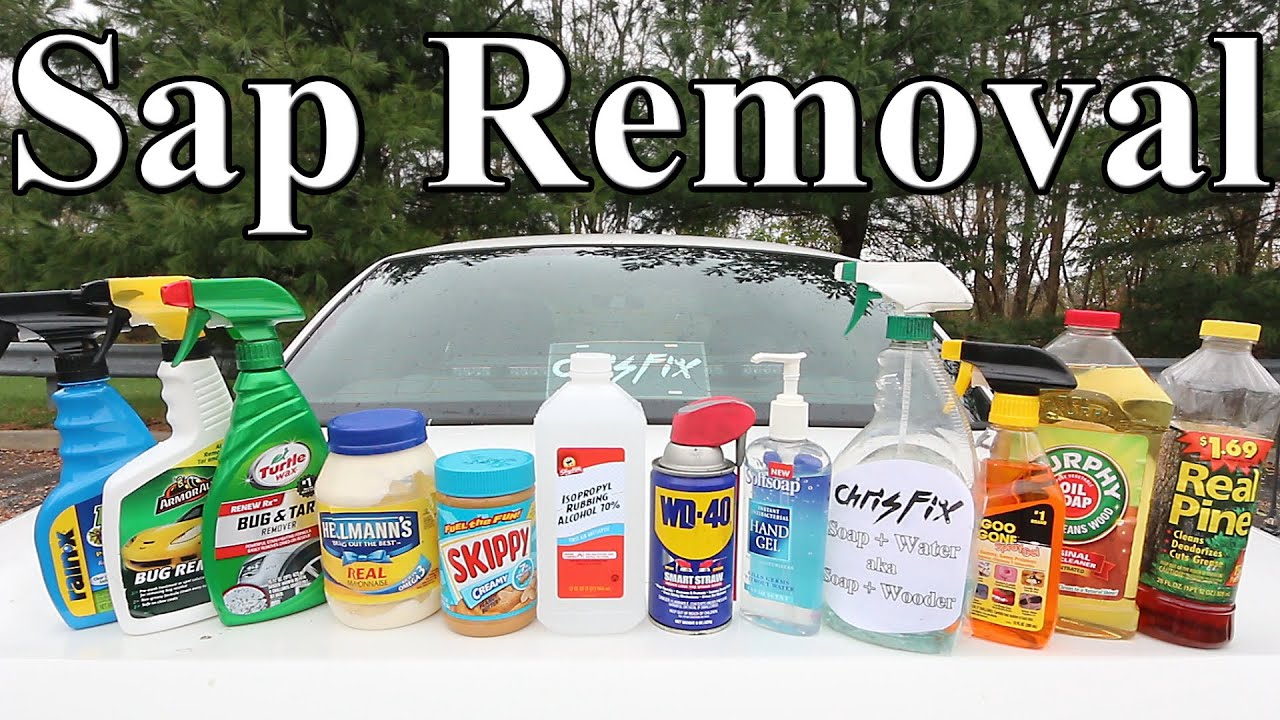
- Optional helpers: WD-40, Goo Gone Automotive, hand sanitizer, glass cleaner
- Nitrile gloves for skin protection
Step-by-step: how to remove sap from car safely
Use this simple, tested routine. It balances cleaning power and paint safety.
- Wash the area
Rinse well. Use car soap and a mitt to remove dust around the sap. This prevents rubbing grit into the clear coat. - Soften the sap
Soak a folded, damp microfiber in warm water. Lay it on the spot for one to three minutes. On hot days, park in shade so the liquid does not flash dry. - Apply a safe solvent
Choose isopropyl alcohol or bug and tar remover. Wet a cotton pad, not the paint. Press it on the sap for 30 to 60 seconds. Lift and wipe gently. Repeat if needed. This is the heart of how to remove sap from car paint without harm. - Use a clay bar for leftovers
Spray clay lube. Glide the clay with light pressure. You will feel the surface go from gritty to smooth. Wipe dry. - Inspect and polish if needed
If you see a faint ring or haze, use a fine polish by hand. Work a small area. Wipe clean. This step can restore gloss after tough spots. - Protect the finish
Seal the area with wax, sealant, or a ceramic spray. This makes the next sap cleanup much easier and helps block stains.
Pro tip from the bay: I place a zip-top bag filled with warm water on thick, cured sap. Two minutes of gentle heat softens it fast. It is a low-risk prep that speeds up how to remove sap from car panels.

Adjusting for surface and severity
Not all surfaces react the same. Here is how to handle each one.
- Clear-coated paint
Stick with alcohol, tar remover, or WD-40 in small, controlled doses. Keep the area wet, not drenched. Wipe gently and reapply as needed. - Glass and windshield
Use alcohol or glass-safe tar remover. For stubborn, hard sap, a fresh razor blade can be used on glass only. Hold it at a low angle with glass cleaner as lube. Never use a blade on paint. - Plastic trim and rubber
Avoid harsh solvents and strong citrus. Use mild tar remover or alcohol on a microfiber. Rinse and dress the trim after. - Old, baked sap
Cycle soften, solvent, wipe, and clay. Patience beats force. If the mark has etched the clear coat, a light polish can help. - Bird droppings plus sap
Clean the droppings first with soapy water. Then treat the sap. This order keeps grit from scratching while you figure out how to remove sap from car paint in one pass.
What not to do
Avoid these common mistakes. They cause more damage than the sap itself.
- Do not scrape paint with a razor, credit card, or fingernail
- Do not use acetone or nail polish remover on paint
- Do not rub hard with a dry towel or magic eraser
- Do not let remover sit and dry on the surface
- Do not skip protection after cleanup
These rules keep your clear coat safe while you learn how to remove sap from car surfaces the right way.
Aftercare and long-term protection
Once the sap is gone, lock in shine and make future cleanups easy.
- Apply wax or a sealant every 6 to 12 weeks
- Use a ceramic spray after washes for added slickness
- Keep a small kit in the trunk: alcohol wipes, microfiber, and a mini tar remover
- Park away from sap-heavy trees when you can
- Wash or at least rinse weekly during heavy drop seasons
A smooth, protected surface resists bonding. That is the secret to fast results when planning how to remove sap from car paint next time.
Seasonal and regional tips
Sap behavior changes with weather and tree type.
- Spring
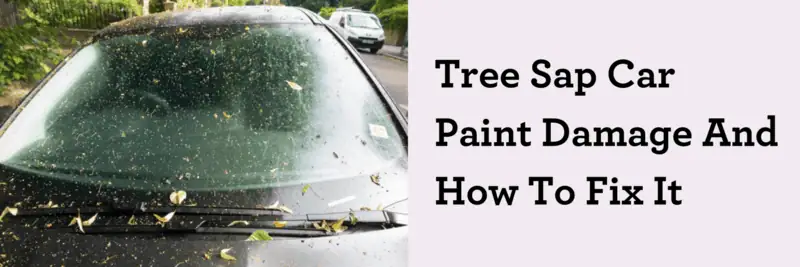
Pollen and fresh sap mix into a sticky film. Wash more often. A quick detailer helps between washes. - Summer
Heat bakes sap fast. Tackle spots within days. Shade parking helps. - Fall
Leaf stains can sit under sap beads. Clay and a light polish may be needed. - Winter
Sap can get brittle. Warm the panel with a damp, warm towel before removal.
If you live under pines or maples, assume weekly checks. Quick checks are the smartest way to master how to remove sap from car panels year-round.

Eco-friendly and household options that work
Household products can help, but use them with care.
- Hand sanitizer
Most contain alcohol. Dab on a pad, hold, and wipe. Rinse after. - Olive oil or coconut oil
Can soften fresh sap on trim. Follow with soap to remove oil. - White vinegar
Use on glass only. It can dull some coatings on paint. Rinse well. - Mild dish soap
For pre-soak only. Always reapply proper protection after.
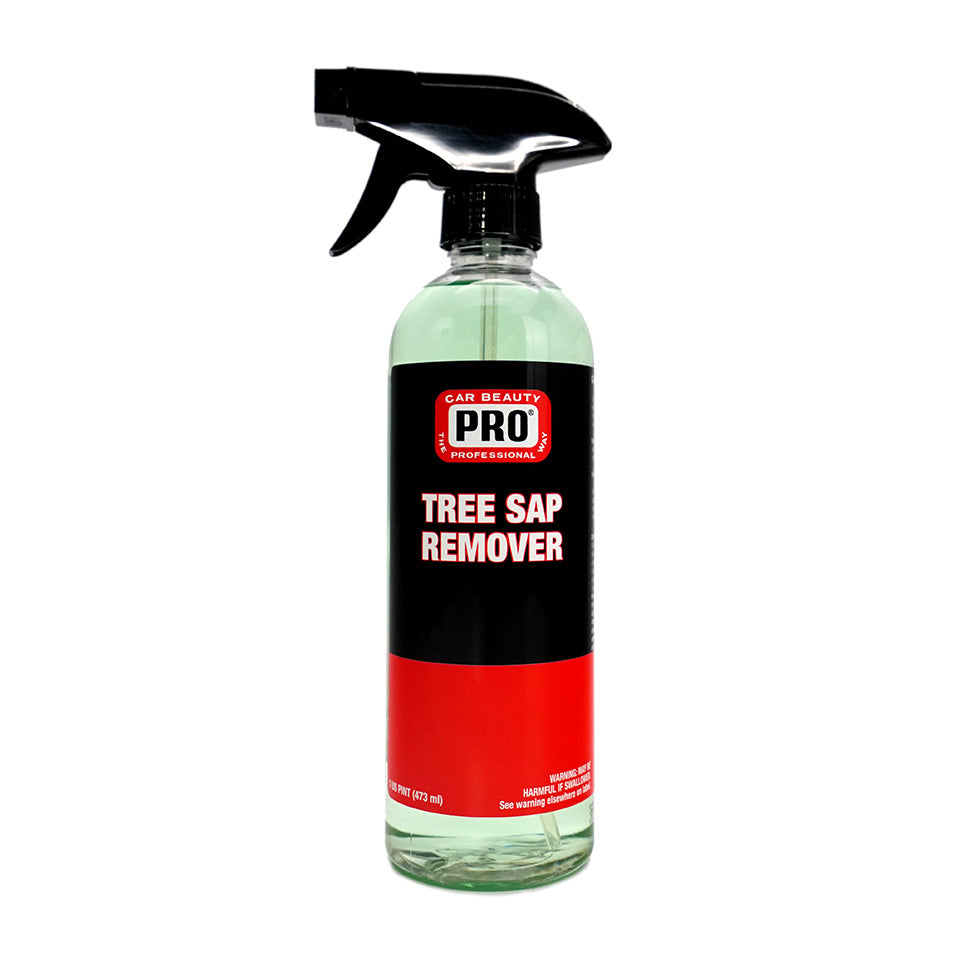
These are handy when traveling. Still, a dedicated tar remover is best if you plan how to remove sap from car surfaces often.
When to call a pro and what it may cost
Sometimes it is worth bringing in a detailer.
- When sap has etched the clear coat
- When there are dozens of spots across the hood and roof
- When you see dull rings after cleaning
A spot treatment with polish may run low. A full decontamination and protection service can be moderate to higher depending on vehicle size and coating choice. Ask for a shop that does paint decontamination, compounding, and ceramic protection. They do how to remove sap from car finishes all day and can save time and risk.
Frequently Asked Questions of how to remove sap from car
How fast should I remove sap from my car?
As soon as you see it. Fresh sap lifts in minutes, while old sap can take cycles of softening and wiping.
Is rubbing alcohol safe on car paint?
Yes, in small, controlled amounts on a cloth. Do not pour it on the panel, and always rinse and protect after.
Can I use WD-40 to remove tree sap?
Yes, for paint and glass. Spray on a towel, not the panel, wipe gently, then wash and apply protection.
Will a clay bar remove all sap?
Clay removes residue and tiny bumps after softening. For thick blobs, soften and wipe first, then clay.
Can sap cause permanent damage?
If left for weeks in heat and sun, sap can etch clear coat. Light polish often improves it, but deep etching may need pro correction.
Is hand sanitizer okay for sap removal?
Yes, in a pinch. Apply with a pad, hold for a short time, wipe, then wash the area.
What should I avoid when removing sap?
Avoid scraping tools, acetone, harsh abrasives, and dry rubbing. These can mar or burn the clear coat.
Conclusion
You can tackle tree sap with calm steps and the right tools. Soften, lift with a safe solvent, clay as needed, and protect. That is the reliable way to handle how to remove sap from car paint and glass without drama.
Make this a quick routine. Check weekly, treat spots early, and keep a small kit on hand. Try it on one mark today and see how fast a smooth, glossy finish comes back. If you found this helpful, share it with a friend, subscribe for more care tips, or drop your questions in the comments.
