

Most car batteries are 45–80 amp-hours with 400–800 cold cranking amps.
If you have wondered how many amps is a car battery, you are not alone. I have tested hundreds of batteries in shops and on the road. In this guide, I break down the real numbers, how to read them, and how to use them. You will learn what matters in daily use, what to check before you buy, and how to charge safe. By the end, you will know how many amps is a car battery in plain terms, and how to use that to make smart choices.
Understanding how many amps is a car battery
The phrase how many amps is a car battery can be tricky. A battery does not have one fixed amp number. It can give many amps, based on the load and the design.
There are three key ratings:
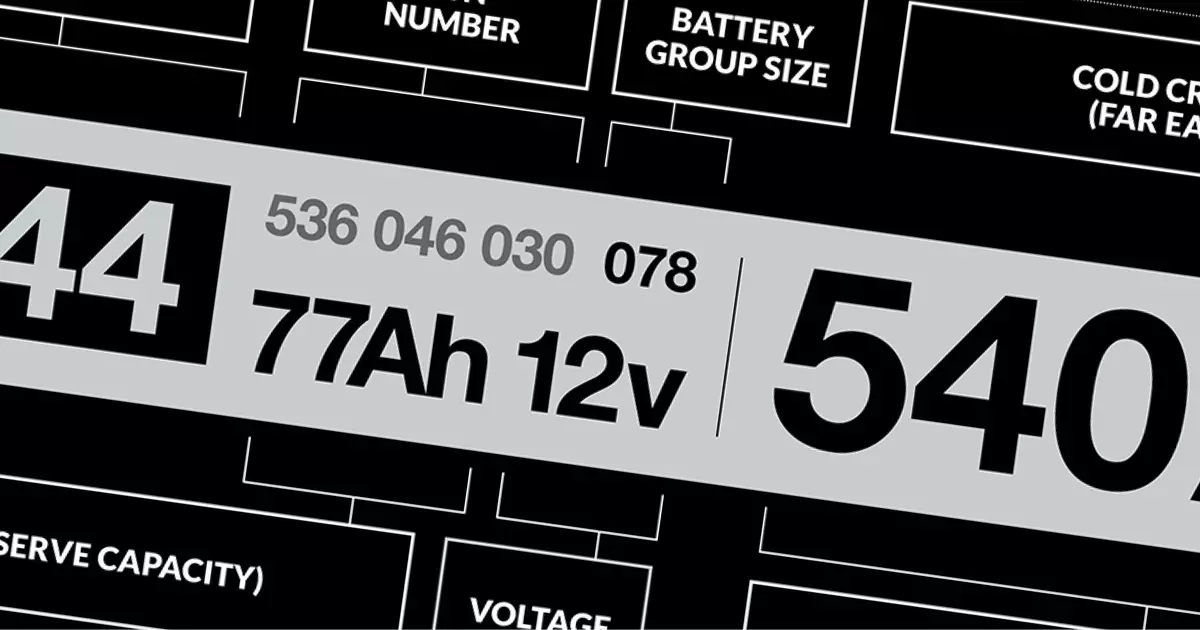
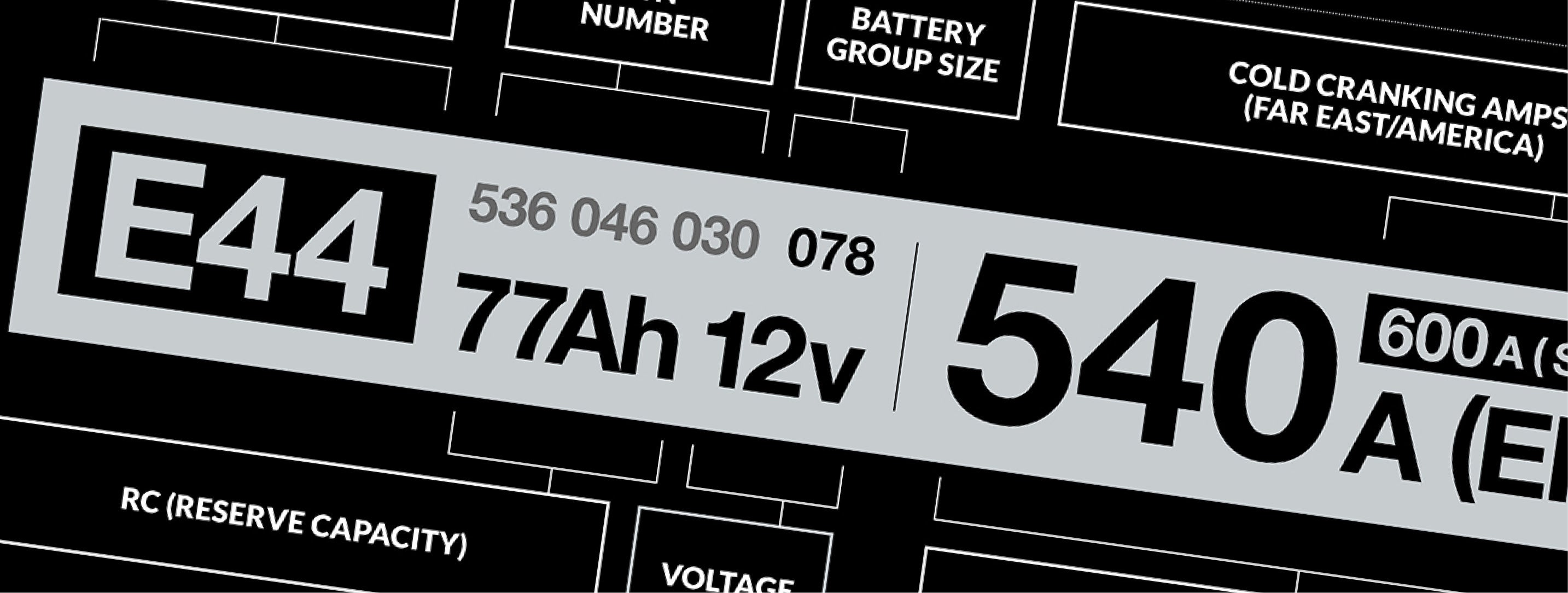
- Amp-hours (Ah). This is the capacity. It shows how much charge the battery can store. A common gas car battery is 45–80 Ah. A truck or SUV may use 70–100 Ah.
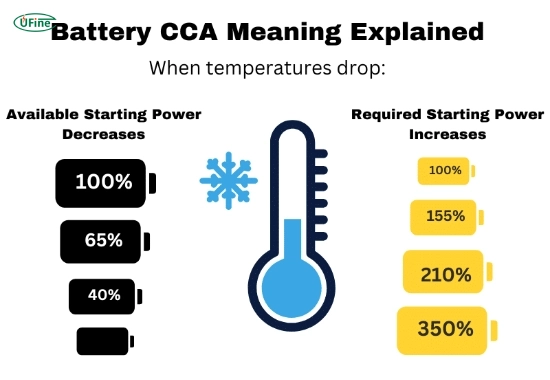
- Cold cranking amps (CCA). This is the burst current the battery can deliver at 0°F for 30 seconds while staying above 7.2 volts. Many gas cars use 400–800 CCA. Big V8s and diesels can need 800–1,000+ CCA.
- Reserve capacity (RC). This is how many minutes the battery can supply 25 amps before dropping to 10.5 volts. It helps you compare runtime with the engine off.
So, how many amps is a car battery in real life? For a short burst, it can push hundreds of amps to spin the starter. For steady loads, think in amp-hours. For example, a 60 Ah battery can, in ideal lab terms, supply 6 amps for 10 hours. In the car, heat, cold, and age reduce that.
A quick rule from my bench work: a small 4‑cyl starter often draws 150–250 amps. A big truck can pull 300–500 amps. Diesels can pull even more. That is why a higher CCA helps in cold weather.
Typical amp ratings by vehicle and battery type
People ask how many amps is a car battery when they shop for a new one. Use the ranges below as a simple guide.
By vehicle size:
- Compact gas car. 45–60 Ah. 350–550 CCA.
- Midsize sedan or small SUV. 60–75 Ah. 500–700 CCA.
- Full-size truck or large SUV. 70–100 Ah. 650–950 CCA.
- Diesel truck. 80–110 Ah, often 800–1,100+ CCA. Some use dual batteries.
By battery tech:
- Flooded lead‑acid. Most common, good value. 45–90 Ah, 400–800 CCA typical.
- AGM (absorbed glass mat). Lower internal resistance. Often higher CCA and faster charge. Great for cold starts and high loads.
- EFB (enhanced flooded). Built for start‑stop cars. Better cycle life than standard flooded.
- Deep cycle (RV/marine). 70–120 Ah or more, lower CCA. Not ideal for cranking engines, but great for steady loads.
For hybrids and EVs, the 12‑volt battery still runs lights and control units. It may be smaller in Ah but can still have solid CCA. The high‑voltage pack does not answer how many amps is a car battery for starting, since the 12‑volt system still handles that role.
How to test and measure battery amps safely
You can test how many amps is a car battery can deliver, but do it safe. High current can melt tools in a flash. Here are smart ways I use in the shop.
Tools that work:
- DC clamp meter. Clip around the cable. Watch cranking amps and parasitic draw. No need to break the circuit.
- Conductance tester. Reads CCA health without a huge load. Great for a quick go/no‑go check.
- Multimeter. Best for voltage checks and small current tests. Only measure current in series if the draw is low and your meter is fused for it.
Simple steps:
- Check open‑circuit voltage. 12.6–12.8 V is full. 12.4 V is about 75%. 12.2 V is low. 12.0 V is near empty.
- Watch cranking drop. During start, voltage should stay above about 9.6 V at 70°F. Lower can point to weak CCA or high starter draw.
- Measure parasitic draw. After the car sleeps, 20–50 mA is normal. Over 100 mA can drain a good battery overnight.
Safety tips:
- Wear eye and hand protection.
- Do not short the posts with tools.
- Use the right meter range and a fused lead. A wrong setting can blow the meter.
If you wonder how many amps is a car battery during cranking, a clamp meter on the positive cable will show the peak and the steady draw. It is the cleanest way to see real numbers.
Choosing the right charger and charge rates
Charging is where many people mix up how many amps is a car battery with how many amps to charge it. Think in C‑rate, which is a share of capacity.
Simple rules:
- Slow and steady is best. Use about 10% of the Ah rating. A 60 Ah battery likes a 6 amp charge rate.
- Maintainers. 0.75–2 amps keep a battery full. Great for cars that sit.
- Medium charge. 6–10 amps for daily top‑ups.
- Fast charge. 15–20 amps for a time crunch. Watch temperature. Use a smart charger.
- AGM setting. If you have an AGM battery, pick an AGM mode to avoid overcharge.
Time math you can use:
- Needed hours ≈ amp‑hours to add ÷ charger amps, then add extra time for the absorb stage.
- Example. A 70 Ah battery at 50% has to gain about 35 Ah. At 10 amps, the base time is 3.5 hours. In real life, plan on 5–6 hours.
Alternator facts:
- An alternator can push 30–100+ amps, but it will taper. It is made to run the car first. It can refill a low battery, but it is not ideal for deep recharges.
If you ask how many amps is a car battery for charging, match the charger to the Ah rating, the battery type, and the use case.

Real‑world examples and troubleshooting tips
Here are cases from my work that make how many amps is a car battery clear in daily life.
Cold start case:
- A 2.4L sedan with a 60 Ah, 550 CCA battery cranks fine at 70°F. In a winter snap at 10°F, the same battery drops in output. CCA matters. A battery with 650–700 CCA gives a stronger start in the cold.
Parasitic draw case:
- A customer’s SUV had a 250 mA draw after shutdown. The battery was new, 70 Ah AGM. The car died in two days. We found a stuck telematics module. Normal draw should be 20–50 mA. Always test draw if the car sleeps dead.
Accessory runtime math:
- You want to run a 12 V fridge that draws 5 amps at camp. A 70 Ah starting battery should not be drained below ~50%. Usable is about 35 Ah. 35 Ah ÷ 5 A ≈ 7 hours. That is not all night. Use a deep‑cycle battery or a power station.
Common mistakes to avoid:
- Buying by price, not by spec. Match group size, Ah, and CCA to the car and climate.
- Using a small charger on a big dead battery, then giving up too soon.
- Using a jump box with low true output. Pick a unit with honest specs and real peak amps.
I get asked how many amps is a car battery when jump starting. A healthy gas car often needs 200–400 amps to crank. Good cables and clean clamps can make more difference than you think.
Frequently Asked Questions of how many amps is a car battery
How many amps is a car battery?
A typical 12‑volt car battery is about 45–80 amp‑hours and 400–800 cold cranking amps. It can deliver hundreds of amps for a short start, and lower amps for steady loads.
Is a car battery 12 amps?
No. Twelve volts is the nominal voltage, not the current. The current (amps) depends on the load, while the battery’s size is shown by amp‑hours and cold cranking amps.
How many amps do I need to jump start a car?
Most gas cars start with 200–400 amps. Larger engines and diesels may need 400–800+ amps, which is why many jump packs list 600–1,000 peak amps.
How many amps should my charger have?
Aim for about 10% of the battery’s Ah rating. For a 60 Ah battery, a 6 amp smart charger is a safe, effective choice.
How many amps does a car draw when off?
A normal parasitic draw is about 20–50 milliamps after the car goes to sleep. Over 100 mA can drain a battery in a few days and should be checked.
How many amps does a starter motor use?
Small engines often draw 150–250 amps while cranking. Big V8s and diesels can draw 300–600 amps or more, depending on temperature and condition.
Can I use a 2 amp charger on a 70 Ah battery?
Yes, but it will be slow. It may take a day or more from low state of charge, which is fine for storage but not for quick turnarounds.
Conclusion
How many amps is a car battery comes down to two core ideas: amp‑hours for capacity and cold cranking amps for starting power. Most cars use 45–80 Ah batteries with 400–800 CCA, but needs change with engine size, climate, and features. Use these numbers to choose the right battery, test it the right way, and charge it with care.
Take action today. Check your battery label, note the Ah and CCA, and match your charger to it. If you found this helpful, subscribe for more hands‑on guides, or drop a question in the comments so I can help with your exact setup.
1 thought on “How Many Amps Is A Car Battery: Expert Guide For 2026”