

It circulates coolant through the engine to remove heat and prevent overheating.
If you have asked what does a water pump do in a car, you are already a smart owner. I have spent years fixing cooling problems, and I can tell you this part is small but vital. In this guide, I explain what does a water pump do in a car, how it works, signs it is failing, and how to keep it healthy. You will get clear steps, simple checks, and real shop tips you can use today.
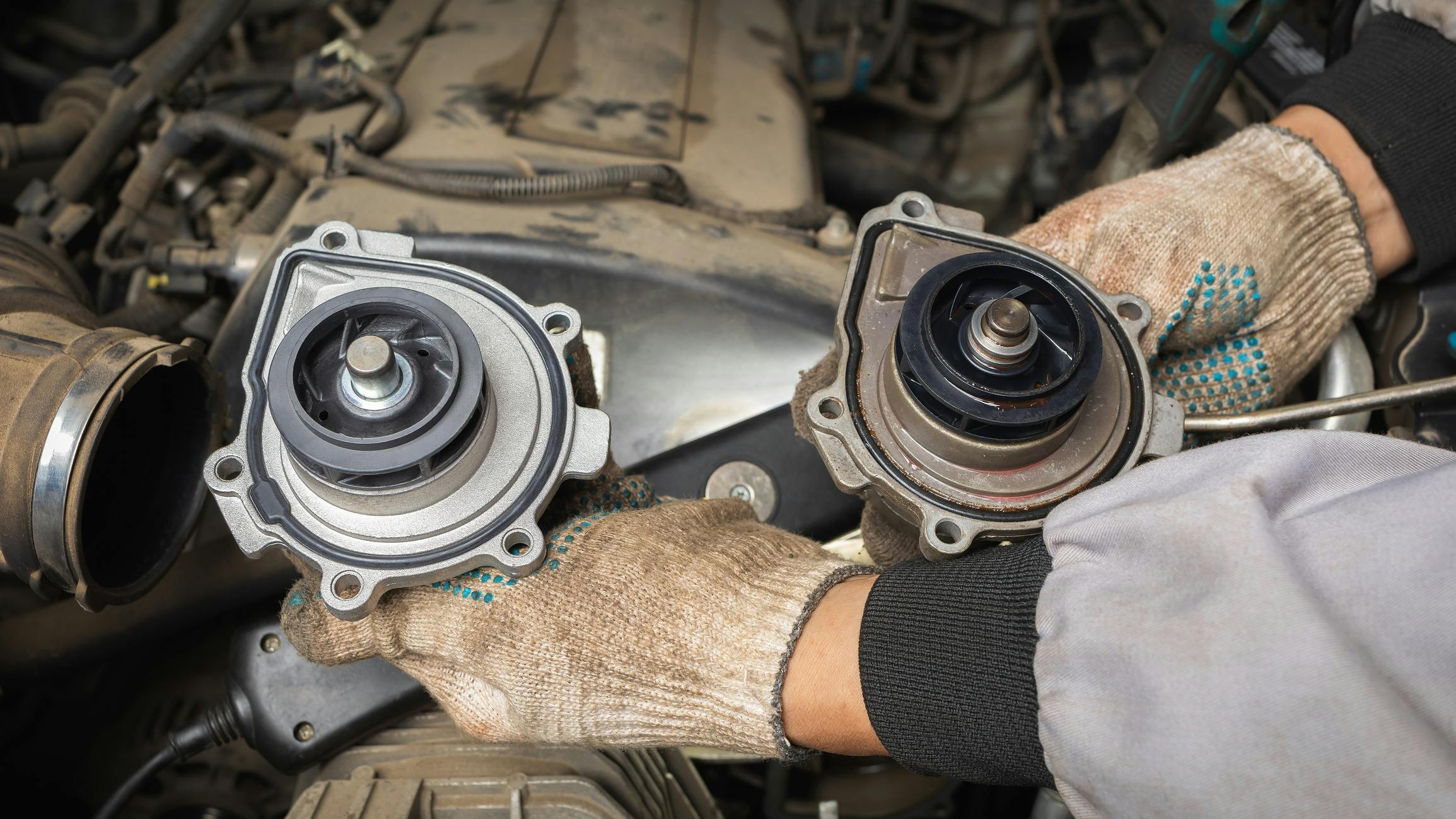
Source: carfax.com
What does a water pump do in a car?
The water pump moves coolant through the engine, radiator, and heater core. It does this all the time while the engine runs. It keeps heat in check and helps your engine last.
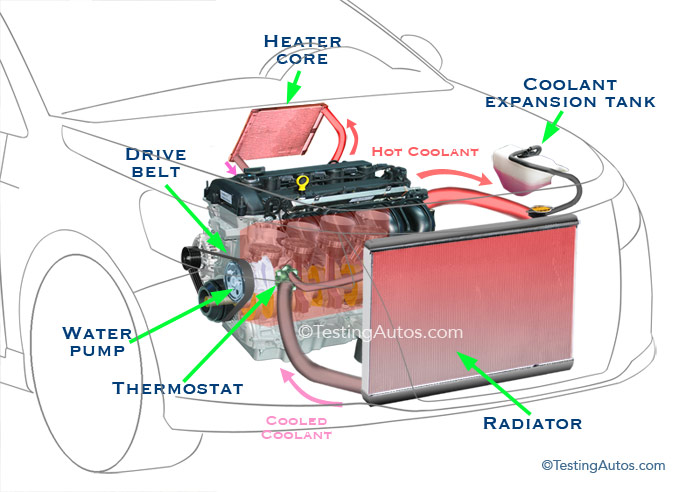
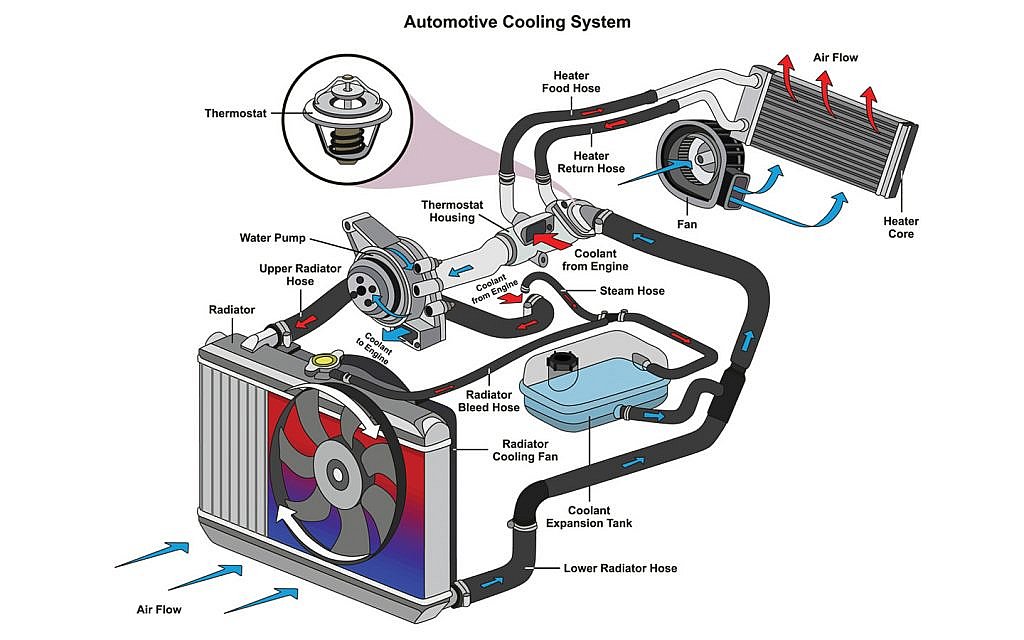
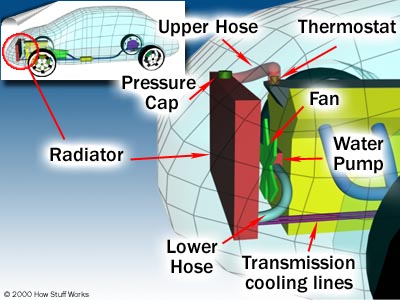
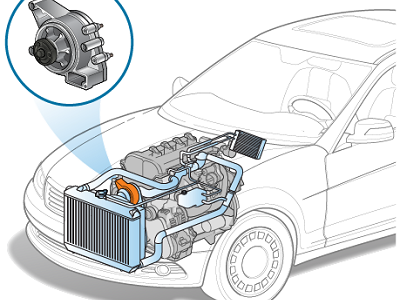
Here is the short flow. The pump pulls cooled fluid from the radiator. It pushes it through the engine block and heads. Hot coolant then returns to the radiator to shed heat. When people ask what does a water pump do in a car, this steady loop is the full story.
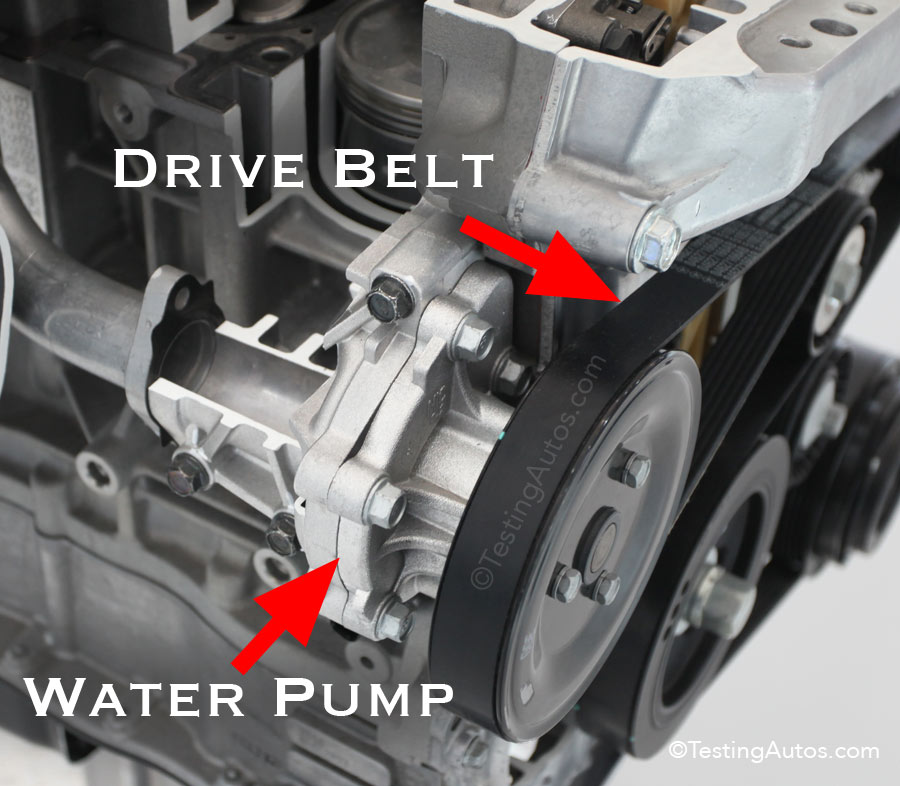
Most pumps use a belt to spin an impeller inside a housing. Seals keep coolant in. Bearings keep it smooth and quiet. If the pump stops, heat climbs fast. That is why what does a water pump do in a car is more than a trivia line. It is your engine’s life line.
How the cooling system works
Think of the system like a heart and veins. The pump is the heart. Hoses and engine passages are the veins. The radiator is a big heat sink.
The thermostat is the traffic cop. It stays closed while the engine warms up. Once hot, it opens to let coolant flow to the radiator. Fans pull air through the fins when you are slow or stopped. Knowing this loop helps answer what does a water pump do in a car in real terms.

Types of water pumps: belt-driven vs electric
Most cars use a belt-driven pump. A serpentine or timing belt turns the pulley. It is simple and cheap. But it draws power from the engine at all times.
Some newer cars use an electric pump. It runs on demand and can change speed. This helps quick warm-up and saves fuel. It also allows flow even when the engine is off, like after a hot soak. In both cases, what does a water pump do in a car stays the same: it moves coolant, and it must do it well.
Signs of a failing water pump
I have seen many pumps give clues before they die. Watch and listen.
- Coolant drips near the front center of the engine. Look under the car after parking.
- Green, orange, or pink crust near the pump, pulley, or weep hole.
- A high temp gauge, or random spikes at idle or on hills.
- A whining or grinding noise that changes with engine speed.
- Weak cabin heat on cold days, then sudden heat surges.
When drivers ask what does a water pump do in a car, I point to these signs. If you see them, the pump may not be moving fluid right.
Causes, risks, and what happens if it fails
Pumps fail for a few core reasons. Old age wears seals and bearings. Wrong or old coolant eats parts. Belt tension that is too tight or too loose is bad. Rust or debris can chip the impeller.
If the pump fails, coolant stops moving. Heat soars. You can crack heads, warp gaskets, and seize the engine. This is why what does a water pump do in a car is more than a part name. It is heat control and engine safety.
Maintenance and replacement best practices
You can help your pump live a long life. Here is what I teach new techs and owners.
- Change coolant on time. Most cars need fresh fluid every 5 years or 60,000 miles. Check your manual.
- Use the right coolant spec and mix. A 50/50 blend is common. Never mix types unless the label says you can.
- Replace the thermostat and cap when you do major cooling work.
- If your pump is driven by the timing belt, replace both together. That is often 60,000 to 100,000 miles.
These steps may sound simple. But they answer a hidden part of what does a water pump do in a car: it only works if the system around it is healthy.
DIY checks and simple tests
You can spot trouble at home in minutes.
- Cold check: Squeeze the upper radiator hose. It should be firm when warm, soft when cold.
- Look for leaks: Check under the water pump pulley and the weep hole for stains.
- Listen: Use a short hose like a stethoscope. A rough bearing will growl.
- Watch the temp: If it rises at idle and drops when you rev, flow may be weak.
Many owners who ask what does a water pump do in a car can learn a lot with these checks. If you are unsure, get a pro to pressure test the system and check flow.
Costs, labor time, and parts quality
Costs vary by car and pump type. A belt-driven pump on a small engine can be low. A pump behind a timing cover takes more time and costs more. Electric pumps cost more for the part but can be faster to swap.
Expect one to five hours of labor, based on layout. Add coolant, gaskets, and maybe a belt or tensioner. When clients ask what does a water pump do in a car and how much to fix it, I urge them to buy OEM or high-grade parts. It saves money in the long run.
Related parts that matter
The pump does not work alone. These parts make the system whole.
- Thermostat controls flow based on temp. If it sticks, your pump cannot help.
- Radiator sheds heat. Clogged fins or tubes raise temps.
- Cooling fan moves air at low speed. Bad relays or motors cause heat creep.
- Hoses and clamps keep the loop sealed. Soft, swollen, or cracked hoses leak.
- Drive belt and tensioner keep the pump spinning. Slip kills flow.
When we talk about what does a water pump do in a car, we must look at this full chain. A weak link will show up as heat.
Quick PAA-style answers
Is a water pump the same as a coolant pump?
Yes. Many makers now call it a coolant pump. The job is the same: move coolant through the engine and radiator.
Can a car run without a water pump?
Only for a very short time, and it is a bad idea. Heat will build fast and can wreck the engine.
Should I replace the pump with the timing belt?
Yes in most cars. Labor overlaps, and a fresh pump reduces the risk of a leak or bearing failure soon after.
Real-world shop story and lessons learned
A customer drove in with a sweet smell and a faint chirp. It was a Honda with 120,000 miles. I saw dry pink crust at the pump weep hole and a shiny belt from coolant mist.
We replaced the pump, timing belt, idler, and thermostat. We bled the system and used the right coolant mix. The temp stayed rock solid after. The lesson fits what does a water pump do in a car: it protects the engine, but only if belts, seals, and coolant are right.
Accuracy corner: data and best practices
Service guides and lab tests show old coolant can raise wear rates on seals and bearings. Flow drop from impeller damage can spike temps under load. Electric pumps reduce drag and can improve warm-up times.
Torque specs matter. Over-tight bolts can warp the housing. Under-tight can leak. Air must be bled after service. These facts back the core idea behind what does a water pump do in a car. The pump moves fluid, but details make it safe and steady.
Frequently Asked Questions of what does a water pump do in a car
How long does a car water pump last?
Many last 90,000 to 150,000 miles with the right coolant and belt tension. Check your manual and service records.
Can a bad water pump cause no heat in the cabin?
Yes. Poor flow can starve the heater core, so cabin heat drops. You may also see temp spikes at idle.
What happens if a water pump fails while driving?
The engine can overheat within minutes. Pull over, shut it off, and call for a tow to prevent damage.
Is it safe to drive with a water pump leak?
No. A small leak can turn large fast and cause overheating. Fix it soon to protect the engine.
How do I know if the noise is from the water pump?
A worn pump bearing makes a growl or chirp that follows engine speed. Use a mechanic’s stethoscope or hose to narrow it down near the pump.
Conclusion
Your engine makes heat every second it runs. The water pump keeps that heat in check by moving coolant with steady force. Now you know what does a water pump do in a car, why it fails, and how to care for it.
Check for leaks, listen for noise, and service coolant on time. If something feels off, act before heat does harm. Want more smart car care tips like this? Subscribe, share your questions, or drop a comment with your make and model.