

Most oil leaks come from worn gaskets, failed seals, or loose drain plugs.
If you’re asking why is my car leaking oil, you’re in the right place. I’ve diagnosed thousands of leaks in shops and driveways. This guide gives you clear causes, simple checks, and smart fixes that save money. Stick with me, and you’ll know exactly what to look for, what to fix, and when to call a pro.
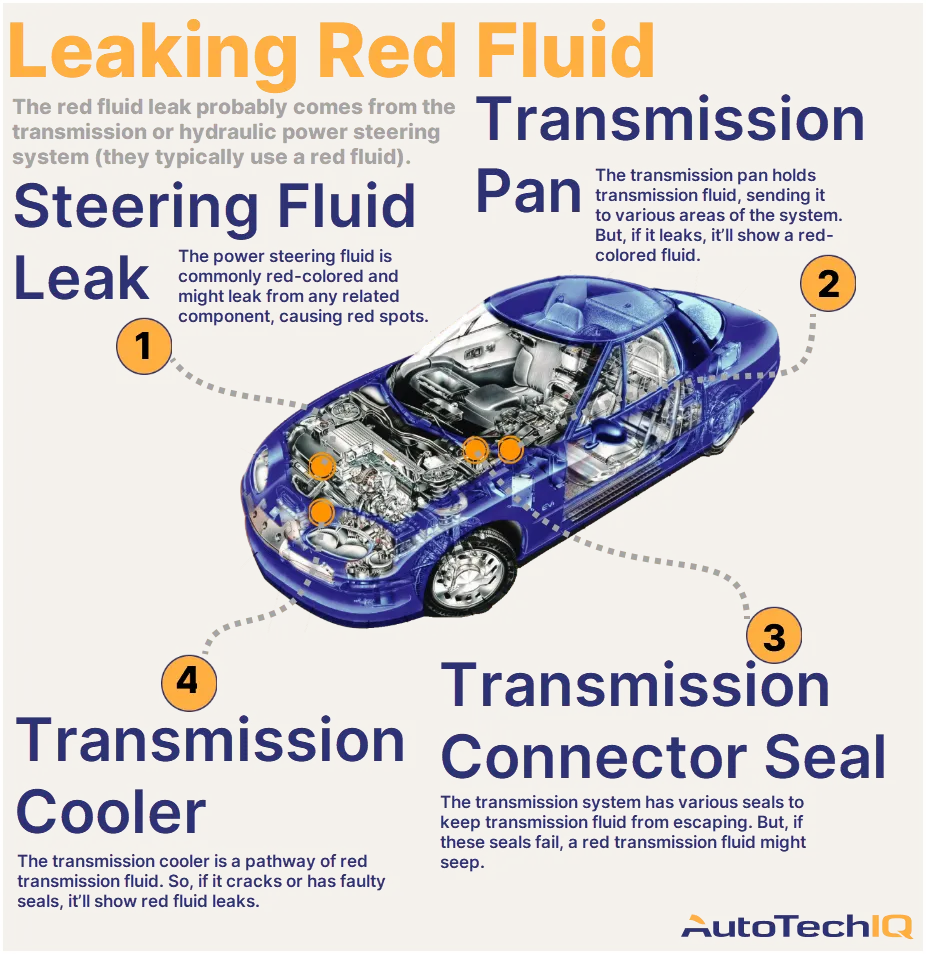
Source: autotechiq.com
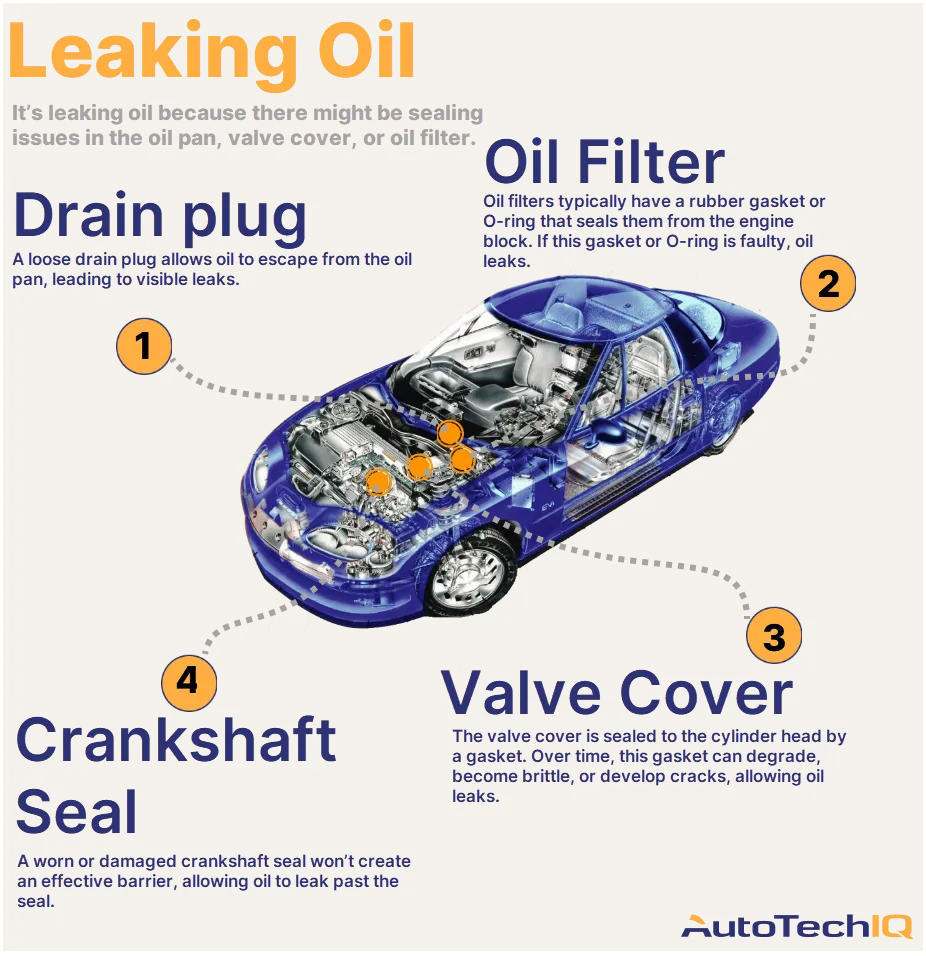
Common causes of an engine oil leak
If you ask yourself, why is my car leaking oil, the usual causes fall into a few buckets. Age and heat harden rubber. Pressure climbs when parts clog. A rushed oil change can also start a leak.
- Valve cover gasket: Leaks down the engine sides and onto the exhaust. Common on high-mile cars.
- Oil pan gasket: Drips from the bottom of the engine. Road impacts and old sealant make it worse.
- Drain plug or crush washer: Loose plug or a reused washer causes a steady drip after oil changes.
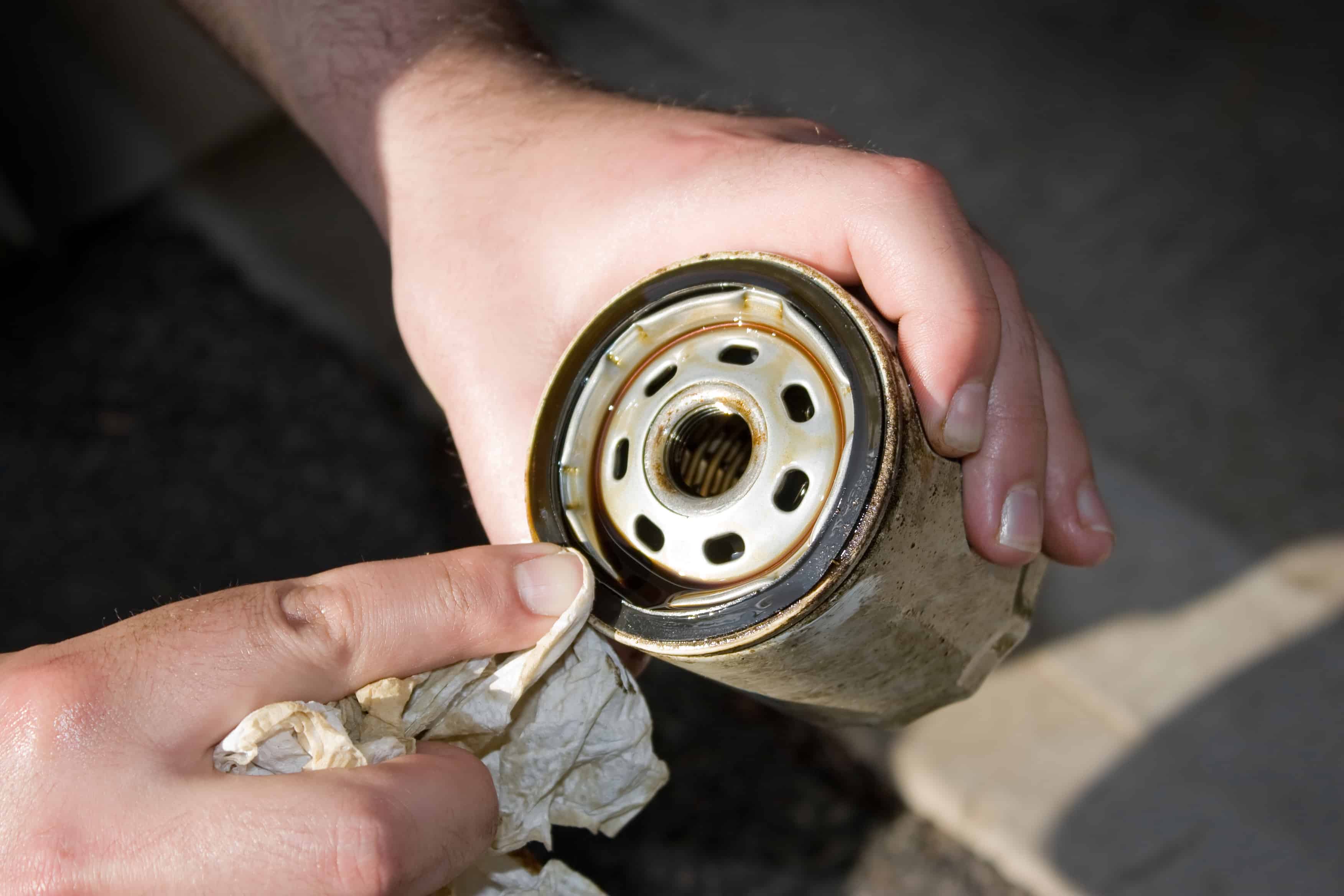
- Oil filter seal: A double-gasket or loose filter leaks under load. Check after any oil service.
- Timing cover gasket: Oil seeps from the front of the engine. May fling oil onto the belt.
- Front crankshaft seal: Leaks at the crank pulley. Often leaves a circular spray pattern.
- Rear main seal: Oil between engine and transmission. Costly and time-consuming to fix.
- Camshaft seals: Similar to crank seals. Leaks track down the front or rear of the engine.
- Oil cooler lines or O-rings: Wet fittings near the oil filter housing or radiator area.
- PCV system failure: Blocked PCV raises pressure and forces oil past seals and gaskets.
- Oil pressure sensor: Cracks and leaks at the sensor body. Looks like a small wet spot that grows.
- Filler cap or dipstick tube: Loose cap or missing O-ring mist coats the engine bay.
- Turbo oil feed/return lines: On turbo cars, leaking banjo fittings or brittle lines.
- Head gasket (external oil path): Rare but possible. Leaves oil tracks on the engine side.
Real-world tip: I once saw a car return twice for “mystery leaks.” The oil filter had two rubber gaskets stacked. Once we removed the old gasket, the leak was gone in seconds. When you wonder why is my car leaking oil, check the simple stuff first.
External vs internal leaks
- External leaks drip or mist oil onto the engine or ground.
- Internal leaks burn oil inside the engine. You may see blue smoke from the tailpipe.
If the question is why is my car leaking oil, start with the most common external sources first.
Source: performancehondastore.com
How to diagnose an oil leak at home
You can answer why is my car leaking oil with a calm, step-by-step check. Keep it clean and simple.
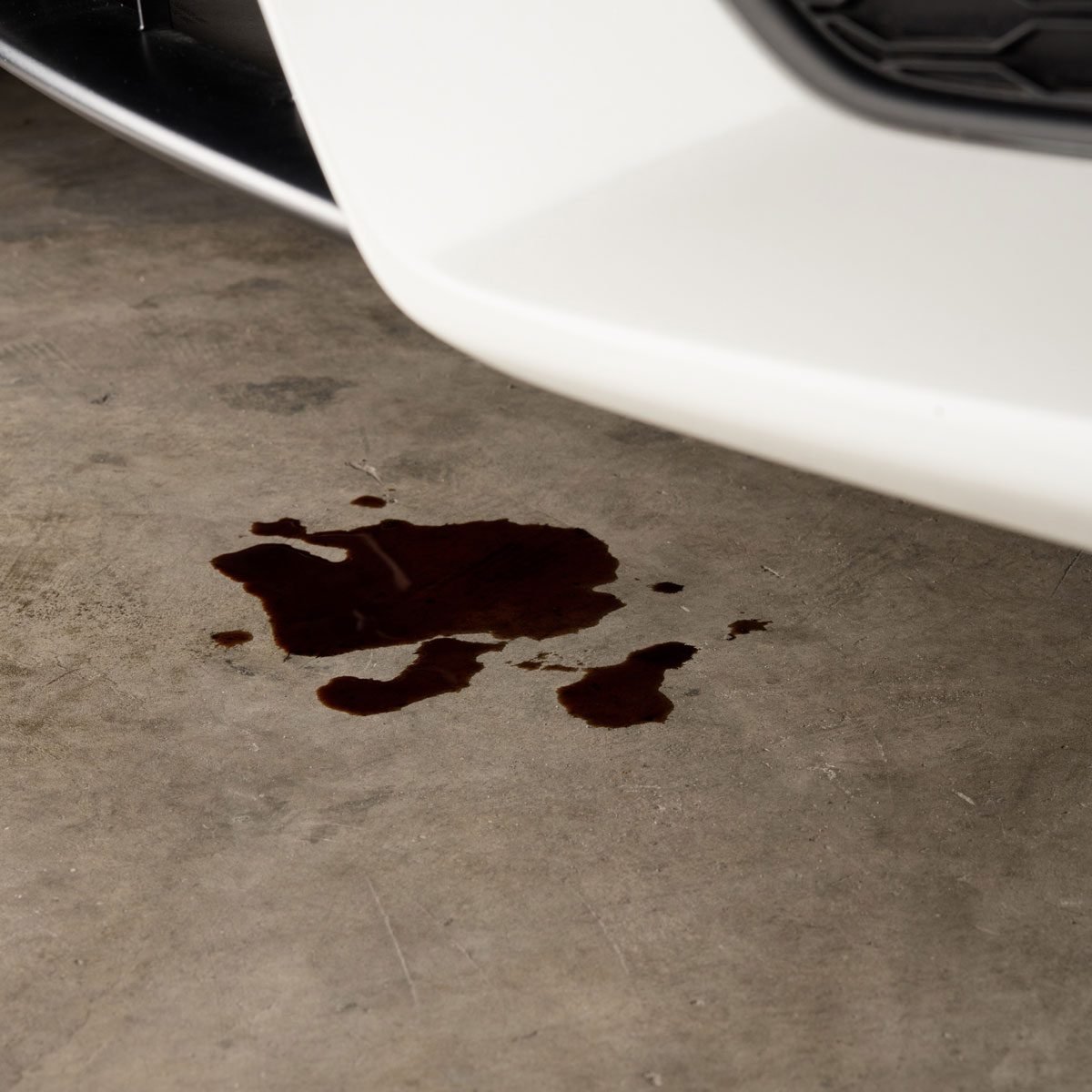
- Confirm it’s engine oil: Oil is brown to black and slick. Coolant is green, orange, or pink and watery. Transmission fluid is usually red.
- Check the oil level: Pull the dipstick on level ground. If low, top up the right grade and note how much.
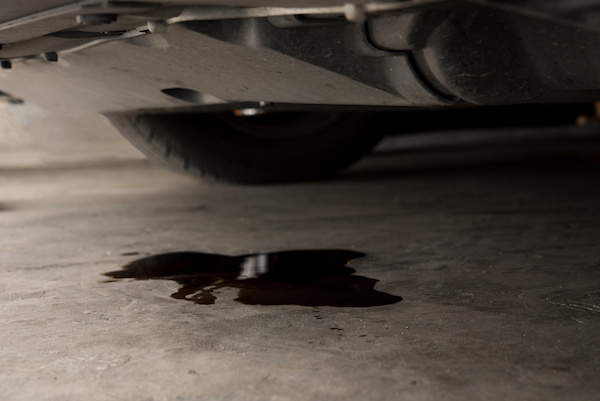
- Park over cardboard: Note fresh spots. This tells you where the leak lands.
- Clean, then recheck: Use brake cleaner and rags to wipe oily areas. Drive 10 minutes. Re-inspect to spot the fresh source.
- Flashlight check: Look around the valve cover, timing cover, oil filter, drain plug, and oil pan rails.
- Trace up, not down: Oil runs downward. Follow the wet trail to find the highest wet point.
- UV dye kit: Add dye to the oil, drive, then scan with a UV light. The glow shows the source.
- PCV system check: A clogged PCV can answer why is my car leaking oil by raising crankcase pressure.
- Feel for loose parts: Lightly check the drain plug and oil filter by hand. Do not over-tighten.
- Safety note: Avoid hot exhaust parts and rotating belts. Let the engine cool if needed.
If you still ask why is my car leaking oil, take pictures, clean again, and repeat the test. A clear trail makes the fix faster and cheaper.
Source: familyhandyman.com
What the leak looks like and what it means
Reading what you see helps answer why is my car leaking oil. The pattern and smell point to the source.
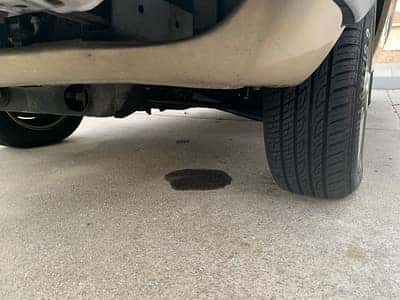
- A small spot under the front: Often the oil pan, drain plug, or crank seal.
- Wet top of engine and a burning smell: Valve cover gasket dripping onto the exhaust.
- Oil on the belt area: Timing cover leak or front seal. Can fling oil as a mist.
- Oil between engine and transmission: Rear main seal. Expect a bigger job.
- Clean oil after service: Loose filter or missing crush washer.
- Blue smoke from the tailpipe: Internal oil burning. That is not a simple external leak.
If the spot grows fast, the risk grows too. A little seep may wait. A steady drip needs action soon.

Source: performancehondastore.com
Is it safe to drive with an oil leak?
If you wonder, why is my car leaking oil and can I drive, think about rate and risk.
- A few drops a week: Often safe for a short time. Watch the dipstick closely.
- A small puddle after each drive: Add oil as needed and plan a repair soon.
- Low oil pressure light or loud ticking: Stop now. Running dry can destroy the engine.
- Oil on the exhaust or near the alternator or belt: Fix soon to avoid smoke, smell, or fire risk.
Any oil leak can get worse. Check the level often. Keep a quart of the correct oil in the trunk.
Source: reddit.com
Common repairs and typical costs
Repair costs for why is my car leaking oil depend on the source, access, and your car model. Shop rates and parts vary by region.
- Drain plug and washer: 5 to 50 dollars.
- Oil filter or housing O-rings: 10 to 250 dollars.
- Valve cover gasket: 150 to 400 dollars on most cars; more for V6/V8 or tight bays.
- Oil pan gasket: 300 to 900 dollars. More if subframes need to drop.
- Timing cover reseal: 700 to 1,500 dollars. Belts, chains, and seals add labor.
- Front crankshaft seal: 250 to 600 dollars. Often done with belts or pulleys off.
- Rear main seal: 800 to 2,000 dollars. Transmission removal drives labor.
- Oil cooler lines: 150 to 500 dollars.
- PCV system parts: 80 to 250 dollars.
- Oil pressure sensor: 100 to 250 dollars.
- Turbo oil lines: 250 to 600 dollars.
Ask the shop for photos, dye test results, and old parts back. It adds trust and clarity.
Source: broder.app
How to prevent oil leaks
If you want to prevent why is my car leaking oil, small habits go a long way.
- Use the correct oil grade and spec: Follow the owner’s manual.
- Change oil on time: Old oil breaks down seals. Fresh oil keeps them supple.
- Replace the crush washer at every oil change: Cheap part, big payoff.
- Torque, don’t guess: Tighten the drain plug and filter to spec.
- Keep the PCV system healthy: Replace clogged valves or hoses.
- Do not overfill: Too much oil raises pressure and causes foam.
- Inspect during service: Look for wet spots, loose caps, and brittle hoses.
- Replace gaskets while you are there: Bundle jobs to save labor.
- Protect undertrays: A missing splash shield lets debris hit the pan and lines.
A calm routine helps you avoid the “why is my car leaking oil” spiral later.
Source: meineke.com
When to call a mechanic
Know when why is my car leaking oil needs a pro. Speed matters when risk is high.
- Low oil pressure warning or engine noise.
- Big puddles or a fast drip rate.
- Oil on the exhaust, belt, or alternator.
- Leaks after a curb strike or road debris hit.
- Rear main, timing cover, or turbo line leaks.
- You tried cleaning and tracing but still can’t find the source.
Bring notes, photos, and your dye test results. Ask for a written estimate and warranty.
Source: autobahnautorepair.com
Frequently Asked Questions of why is my car leaking oil
Why is my car leaking oil after an oil change?
A loose filter, a missing crush washer, or a double filter gasket is common. Clean the area, tighten to spec, and replace the washer if needed.
Why is my car leaking oil when parked?
Oil pools when the engine stops, so drips show up at rest. Look at the highest wet spot above the drip to find the source.
Why is my car leaking oil but no oil on the ground?
Oil may be burning on hot parts or trapped by an undertray. Check for smoke, smell, and wet shields or splash pans.
How bad is it to drive with a small oil leak?
A small seep may be okay short term if you watch the dipstick. If it grows or you smell burning oil, plan a repair soon.
Can a clogged PCV make my car leak oil?
Yes. High crankcase pressure pushes oil past seals and gaskets. Replacing a stuck PCV valve often slows or stops the leak.
Why is my car leaking oil near the front passenger side?
Many cars have the filter, cooler, or lines in that area. Check the filter seal, housing O-rings, and cooler hoses.
Why is my car leaking oil and smoking?
Oil on the exhaust causes smoke and smell. Fix the leak first, then clean residues to stop the smoke.
Conclusion
Oil leaks are common, fixable, and easier to handle when found early. You now know the main causes, how to test at home, and what repairs cost. Use this guide to answer why is my car leaking oil with facts, not guesswork.
Take action today. Check your level, clean the area, and trace the source. If needed, book a dye test and get a clear estimate. Want more hands-on guides like this? Subscribe, share your leak story in the comments, and let’s solve it together.